Wholesale Plant seeds,Alive roots,Medicinal herbs,medicinal materials.Mass production.

Nitraria roborowskii Kom seed

Nitraria roborowskii Kom: Uses, Benefits, and Its Resilient Beauty in Arid Lands
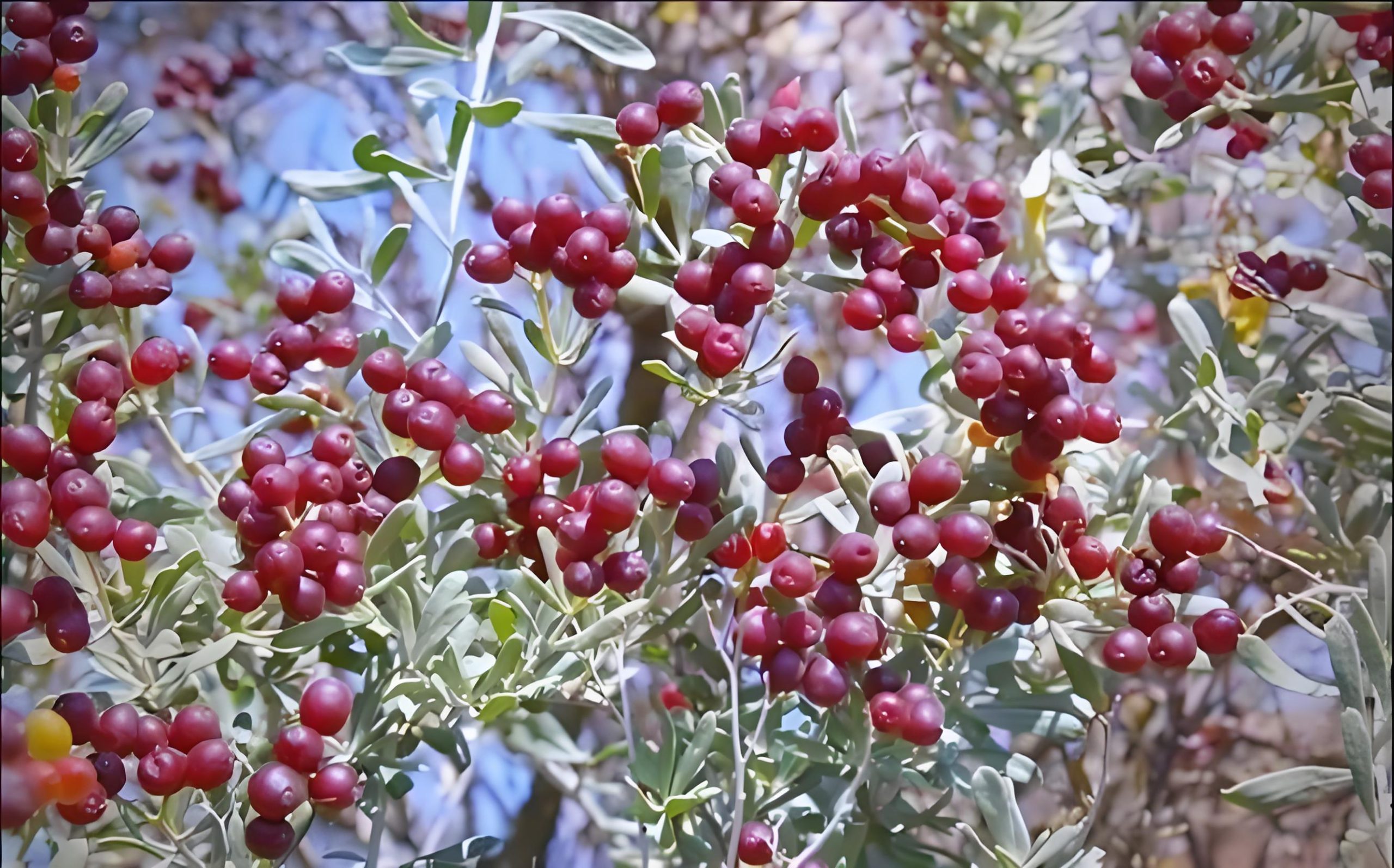
During a trip to the desert grasslands of Gansu a few years ago, I came across a shrub that caught my eye amid the dry, sandy landscape. It was low-growing, with silvery-gray branches that spread out along the ground, and clusters of small, fleshy leaves that looked like they could hold onto every drop of water. Later that summer, when I returned, the same shrubs were dotted with bright red, oval berries, glistening in the sun like tiny rubies. I plucked one cautiously, popped it in my mouth, and was surprised by the flavor—sweet with a subtle salty tang, juicy enough to quench a faint thirst. That’s when I learned this tough, unassuming plant was Nitraria roborowskii Kom, commonly known as Roborowski’s nitraria or large-fruited white thorn, a native shrub that thrives in the harshest arid and semi-arid regions of northern China. Over the years, I’ve come to appreciate not just its ability to survive in harsh conditions, but also its diverse uses and valuable benefits that have sustained local communities for generations.
First, let’s get to know this remarkable plant a little better. Nitraria roborowskii is a deciduous shrub belonging to the Zygophyllaceae family, growing 0.5 to 1.5 meters tall with spreading, often prostrate branches that sometimes root where they touch the ground. Its small, narrow leaves—usually 4 to 6 clustered on young shoots—are thick and fleshy, an adaptation to retain water in dry climates, and they have a smooth or slightly fuzzy surface that helps reflect sunlight. In late spring, it produces small, inconspicuous yellowish-green or off-white flowers, clustered in compact inflorescences, which give way to oval or spherical berries by mid-summer. When fully ripe, the berries turn a deep red, with dark blue-purple juice inside and a hard, oval seed at the center. This shrub is uniquely adapted to saline and sandy soils, often growing along lake edges, oasis peripheries, and desert margins where few other plants can survive, making it a key part of arid ecosystems in Inner Mongolia, Ningxia, Gansu, Qinghai, and Xinjiang. One important thing I learned early on: it’s best to avoid planting it in non-saline, waterlogged soil, as its roots are adapted to dry, salty conditions and will rot if left in too much moisture.
The most familiar use of Nitraria roborowskii, at least for local people, is its fruit—often called “sour-sweet berries” or “desert cherries.” The berries are not only edible but also surprisingly nutritious, with a unique flavor that balances sweetness and a mild saltiness, a result of the plant’s adaptation to saline soils. When I visited a local herder’s family during my trip, they served me a bowl of fresh-picked berries, explaining that they’ve been eating them for generations as a quick snack while herding livestock. The berries can also be dried in the sun to preserve them through the winter; dried, they become chewy and even sweeter, like a natural fruit leather. Some local communities also make them into jams, jellies, or even fruit drinks, though the juice’s dark purple color can stain hands and clothes—something I learned the hard way after picking a handful! When harvesting the berries, it’s important to wait until they’re fully red and plump; unripe berries are tart and astringent, and they don’t ripen once picked. Also, be careful of the sharp, thorn-like tips on the sterile branches—they’re not dangerous, but they can prick your fingers if you’re not paying attention.
Beyond its edible fruit, Nitraria roborowskii has long been valued for its medicinal properties, especially in traditional Chinese medicine, where its fruit is known as “Kami” and used to support health. Local healers and herbalists told me that the dried berries are often brewed into a decoction to help with digestive issues, like poor appetite or indigestion, and to boost energy for those feeling weak or fatigued. It’s also used to regulate menstrual cycles in women, a practice that dates back centuries in desert communities. The berries are rich in vitamins and minerals, including vitamin C and iron, which make them a valuable nutritional supplement in regions where fresh fruit is scarce. I’ve tried drinking a mild tea made from dried berries a few times, and it has a warm, earthy flavor with a hint of sweetness—comforting on cool desert evenings. A important note for anyone using it medicinally: while it’s non-toxic, those with allergies to the plant should avoid it, and it’s always best to consult a herbalist before using it regularly for health issues.
One of the most vital roles of Nitraria roborowskii, however, is its ecological value—something that’s easy to overlook until you see it in its natural habitat. In arid and semi-arid regions, where soil erosion and desertification are major threats, this shrub is a champion of soil conservation. Its spreading branches grow close to the ground, forming a dense mat that traps wind-blown sand, gradually building up small sand dunes (called “nitraria dunes”) that help stabilize the soil. Its deep root system can reach underground water sources, making it drought-tolerant, and it also helps improve soil quality by accumulating organic matter over time. I’ve seen vast stretches of desert where Nitraria roborowskii is the only plant growing, holding the sand together and providing a small oasis for insects, birds, and small mammals. Local herders also use its branches and leaves as fodder for livestock, especially during dry seasons when grass is scarce—sheep and goats love to graze on the tender leaves, and it provides a valuable source of nutrition for them. When using the plant for fodder, it’s best to prune only the tender young branches, leaving the older woody stems intact to ensure the shrub continues to grow and spread.
For gardeners interested in growing drought-tolerant, low-maintenance plants, Nitraria roborowskii is a hidden gem—though it’s not commonly found in regular nurseries. It’s perfect for xeriscapes, rock gardens, or areas with poor, sandy soil, as it requires almost no maintenance once established. I’ve grown a few plants in my garden, which has dry, slightly saline soil, and they’ve thrived with minimal care. They prefer full sun—at least 6 hours a day—and well-drained soil; overwatering is their biggest enemy, so I only water them once every two weeks, even in the hottest summer months. They’re also cold-hardy, able to withstand harsh winters in zones 5 to 9, and they don’t require any fertilizers, as they’re adapted to growing in nutrient-poor soils. If you’re growing them from seeds, you’ll need to soak the seeds in warm water for 7 to 10 days first to soften the hard seed coat—this helps them germinate more easily. You can also propagate them from hardwood cuttings taken in late winter, though I’ve found seeds to be simpler for beginners. When planting, space the shrubs about 1 meter apart to give their spreading branches room to grow without overcrowding.
Another unexpected use of Nitraria roborowskii is its ornamental value, though it’s not a plant you’d typically find in a flower garden. Its silvery-gray foliage and bright red berries create a striking contrast, especially in autumn when the leaves turn a soft yellow before falling. I’ve seen it planted as a low hedge in desert gardens, where its spreading habit and thorns make it a natural, low-maintenance barrier. It also looks beautiful in container gardens, as long as the pot has good drainage—just make sure to use a sandy, well-drained potting mix to mimic its natural habitat. When growing it in containers, choose a pot that’s at least 15 centimeters deep to accommodate its deep root system, and avoid repotting too often, as the plant prefers to be slightly root-bound.
I will admit, Nitraria roborowskii is not a plant you’ll find in most gardens or grocery stores. It’s a tough, resilient shrub that’s adapted to harsh conditions, and it doesn’t demand attention—but that’s part of its charm. It’s a plant that has sustained communities, stabilized ecosystems, and provided food and medicine for centuries, all while thriving where other plants would wither. Every time I look at the small plants in my garden, I’m reminded of its strength and versatility—how something so unassuming can be so valuable. Whether you’re looking for a drought-tolerant garden plant, a unique edible berry, or simply want to learn about a plant that plays a vital role in arid ecosystems, Nitraria roborowskii is worth getting to know. It’s a testament to nature’s ability to adapt, and a reminder that even the harshest environments can yield beautiful, useful treasures.
Nitraria roborowskii Kom seed
Prev:
Next: