Wholesale Plant seeds,Alive roots,Medicinal herbs,medicinal materials.Mass production.

Cascabela thevetia seed

Cascabela thevetia: Uses, Beauty, and Critical Safety Notes of the Yellow Oleander
A few years ago, while visiting a coastal town in southern India, I was immediately drawn to a shrub that lined the streets and gardens—its glossy, dark green leaves stood out against clusters of vibrant yellow, trumpet-shaped flowers that bloomed profusely, even in the sweltering heat. I asked a local gardener about it, and he warned me with a smile: “It’s beautiful, but don’t touch the leaves or seeds—they’re poisonous.” That plant was Cascabela thevetia, commonly known as yellow oleander, a striking evergreen shrub native to Central and South America but now widespread in tropical and subtropical regions around the world. Over time, I’ve learned that this plant is a study in contrasts—stunningly ornamental, with a few practical uses, but also dangerously toxic if mishandled. It’s not a plant to be taken lightly, but its unique qualities make it worth understanding.
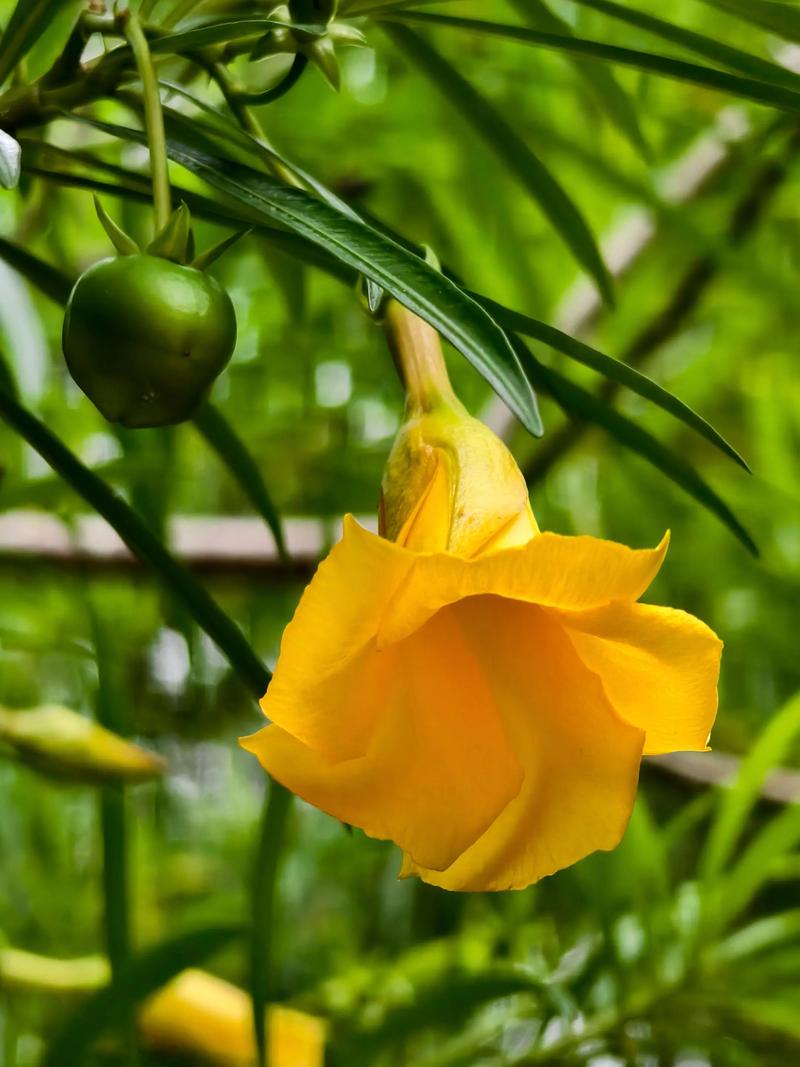
First, let’s familiarize ourselves with Cascabela thevetia’s appearance and growth habits, as this helps make sense of its uses and risks. It’s an evergreen shrub (sometimes growing into a small tree) that reaches 2 to 4 meters tall, with a rounded, bushy shape and smooth, grayish-brown bark. Its leaves are long, narrow, and leathery, growing in clusters at the ends of branches, and they stay lush and green year-round in warm climates. The real star is its flowers: large, trumpet-shaped blooms in shades of bright yellow, sometimes with a hint of orange or pink at the center, that open in the morning and emit a subtle, sweet fragrance. By late summer, the flowers give way to oval, green seed pods that turn brown as they ripen, splitting open to reveal black, shiny seeds encased in a fleshy, toxic pulp. One key thing to note right away: every part of this plant—leaves, flowers, seeds, stems, and even the sap—is highly toxic, containing cardiac glycosides that can cause severe illness or even death if ingested, even in small amounts.
The most obvious and widespread use of Cascabela thevetia is its ornamental value, and it’s easy to see why. Its vibrant, long-lasting flowers and evergreen foliage make it a popular choice for gardens, parks, and street plantings in tropical areas. I’ve seen it used as a hedge to line property borders, as a standalone specimen plant in lawns, and even in large containers on patios—its bright blooms add a pop of color to any space, and it’s relatively low-maintenance once established. It thrives in full sun and well-drained soil, and it’s drought-tolerant, making it ideal for hot, dry climates where other flowering shrubs struggle. When planting it, keep it well away from areas where children or pets play—its attractive flowers and seeds can be tempting, but even a single seed can be fatal if eaten. I’ve also noticed that it’s important to wear gloves when pruning or handling the plant, as the sap can irritate the skin and cause redness or itching.
Beyond its beauty, Cascabela thevetia has a few practical uses, though they are limited and must be approached with extreme caution. In some traditional communities, the plant’s toxic compounds have been used in small, controlled amounts for medicinal purposes—though this is not recommended for anyone without extensive knowledge of herbal medicine. Local healers in some regions have used diluted extracts from the leaves or seeds to treat certain heart conditions, as the cardiac glycosides can help regulate heart rhythm when used in precise doses. However, this is incredibly risky; even a slight miscalculation can lead to poisoning, with symptoms like nausea, vomiting, irregular heartbeat, and dizziness. I’ve spoken to herbalists who emphasize that this plant should never be used for self-medication, and modern medicine rarely relies on it due to the availability of safer alternatives. Another traditional use is as a natural pesticide: crushed leaves or seeds, when mixed with water, can be sprayed on plants to repel insects, but care must be taken to keep this mixture away from edible crops, as it can contaminate them.
In addition to its ornamental and limited medicinal uses, Cascabela thevetia also plays a small role in ecological systems, particularly in the regions where it’s native. Its flowers are rich in nectar, attracting bees, butterflies, and other pollinators, which help support local biodiversity. The dense foliage also provides shelter for small birds and insects, especially in urban areas where natural habitats are scarce. However, it’s important to note that in some non-native regions, it can become invasive, outcompeting local plant species and disrupting ecosystems. For example, in parts of Australia and South Africa, it has spread into wild areas, crowding out native plants and becoming a nuisance. If you’re considering planting it, check with local gardening authorities to ensure it’s not classified as an invasive species in your area—this helps protect the local environment.
Growing Cascabela thevetia is relatively straightforward, but safety must be the top priority. As mentioned earlier, it prefers full sun (at least 6 hours a day) and well-drained soil—heavy, waterlogged soil can cause root rot, so it’s best to add sand or compost to improve drainage. It’s drought-tolerant once established, so you only need to water it regularly during the first few months after planting; after that, it can survive on natural rainfall in most climates. Pruning is best done in late winter or early spring, before new growth begins—trim back overgrown branches to maintain its shape, but always wear gloves and avoid touching your face or mouth while handling the plant. If you have children or pets, it’s best to avoid planting it altogether, or place it in a high, inaccessible area. When disposing of pruned branches or fallen leaves, don’t compost them—seal them in a bag and throw them away, as the toxic compounds can linger and pose a risk to animals or people who come into contact with the compost.
I’ve also learned a few important lessons about handling Cascabela thevetia over the years. A friend of mine once pruned her plant without gloves and developed a painful rash on her hands that lasted for days—this is a common reaction to the plant’s sap. Another local told me about a tragedy where a child ate a single seed and had to be rushed to the hospital, emphasizing just how dangerous this plant can be. It’s a reminder that beauty and danger often go hand in hand with Cascabela thevetia; it’s a stunning addition to any tropical garden, but it requires respect and caution. I’ve grown to appreciate it from a distance, admiring its bright flowers while ensuring I never handle it without protection, and I always warn others about its toxicity.
In the end, Cascabela thevetia is a plant of contradictions. It’s breathtakingly beautiful, drought-tolerant, and useful for ornamental purposes, but it’s also one of the most toxic common garden plants. Its limited traditional uses are overshadowed by the risks it poses, and it’s a plant that demands awareness and respect. Whether you encounter it in a garden, on a street, or in the wild, take a moment to admire its beauty—but never touch it casually, and never let children or pets near it. It’s a reminder that nature’s most striking creations can sometimes be the most dangerous, and that understanding a plant’s properties is just as important as appreciating its appearance. For gardeners in tropical regions looking for a low-maintenance, flowering shrub, Cascabela thevetia is an option—but only if you’re willing to prioritize safety and take the necessary precautions to keep yourself and others safe.
Cascabela thevetia seed
Prev:
Next: