


Tilia henryana Seeds | Henry’s Linden
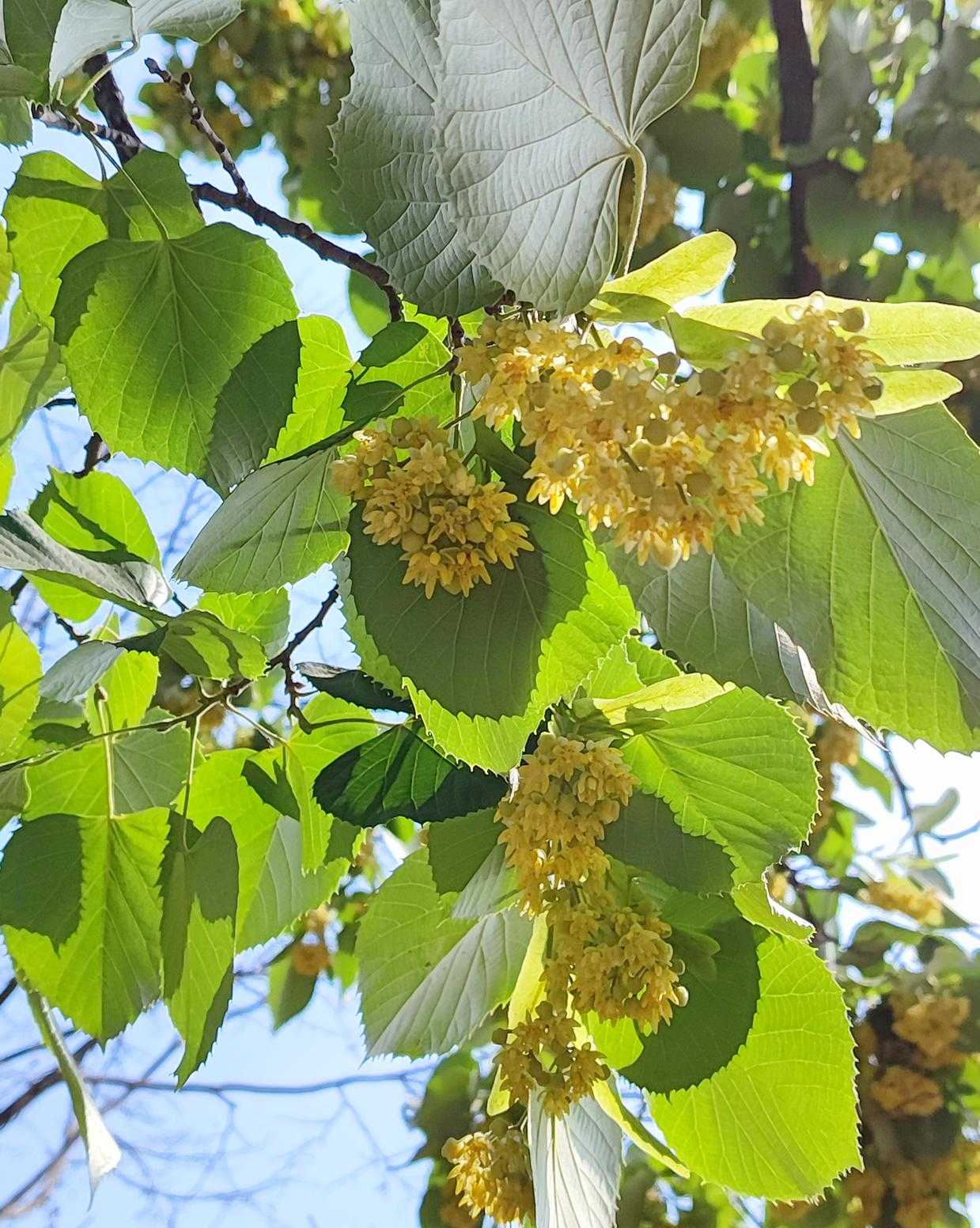
LATIN NAME: Tilia henryana
COMMON NAME: Henry’s Linden, Henry’s Lime
Plant Profile
Henry’s lime is a Chinese linden with leaves edged in long bristle teeth, a feature unique in the genus, and fragrant late flowers. It grows in the mountains of central and eastern China, in Hubei, Sichuan, Shaanxi, Henan and Anhui, in moist valley forest and on shaded slopes between about 600 and 1,800 metres. The tree reaches fifteen to twenty metres, with a broad crown and large, heart-shaped leaves up to 15 cm long, dark green above and covered with a white felt beneath. The most distinctive feature is the margin: each vein ends in a bristle several millimetres long, so the leaf looks fringed. The flowers appear in late summer, later than most lindens, in clusters of small cream blooms held on a long bract, and they are intensely fragrant. It was introduced to Western gardens in 1901 and remains one of the best lindens for a small garden.
Science & Biotechnology
Tilia henryana belongs to the mallow family in the modern classification, and it is one of about thirty species of linden, all of them northern temperate trees pollinated by insects rather than wind. The bristle teeth that give the species its character are extensions of the leaf veins, and no other linden has them; they may deter browsing insects or reduce water loss at the margin. The inflorescence is attached to a long, pale bract, which acts as a wing when the fruit falls and also as a landing platform for pollinators, and the flowers produce abundant nectar at a time when few trees are in bloom. The species is self-incompatible, so a single tree sets little fertile seed, and the fruit is a small, hard nut. The tree is a tetraploid in some populations, which complicates its relationships with other lindens, and it hybridises in cultivation with related species. Its timber is soft and pale and is used for carving.
Uses & Benefits
The tree is grown as an ornamental for its large leaves, its late-scented flowers and its tolerance of clipping, and it is one of the best lindens for a garden because it flowers at a modest size. It is an excellent bee tree, and the honey from linden flowers is pale, aromatic and highly prized. The leaves are used for tea in China, and the flowers are used in Europe as a remedy for colds and anxiety, though the evidence is modest. The timber is soft and easily worked and is used for carving, turnery and musical instruments. In a garden it makes a good avenue tree or a specimen on a lawn, and it tolerates urban conditions better than most limes. It is also used in shelterbelts, since it is wind firm and long lived. It is not a tree for a very small garden, but it is far more manageable than most of its relatives.
Growing from Seed
Sow seed in autumn, freshly collected, in a pot of loam and leafmould, and leave it outside for the winter; the seed has a double dormancy and may not germinate until the second spring. Sow on the surface and cover lightly. Grow the seedlings in light shade for their first year and pot them on as they develop. Plant out in autumn in full sun or light shade, in deep, moist but drained soil; lime tolerates a range of soils, including chalk. Water through the first two summers and mulch with compost, keeping it clear of the trunk. Stake for the first two years in exposed sites. Prune in winter if a clear trunk is wanted, and remove lower branches gradually rather than all at once.
Our Take
A linden with bristle-tipped leaves and late, heavy-scented flowers, small enough for a garden and one of the best trees for bees.
Related Reading
Continue exploring with these related plants: