


Malania oleifera Seeds | Malania
LATIN NAME: Malania oleifera
COMMON NAME: Malania
Plant Profile
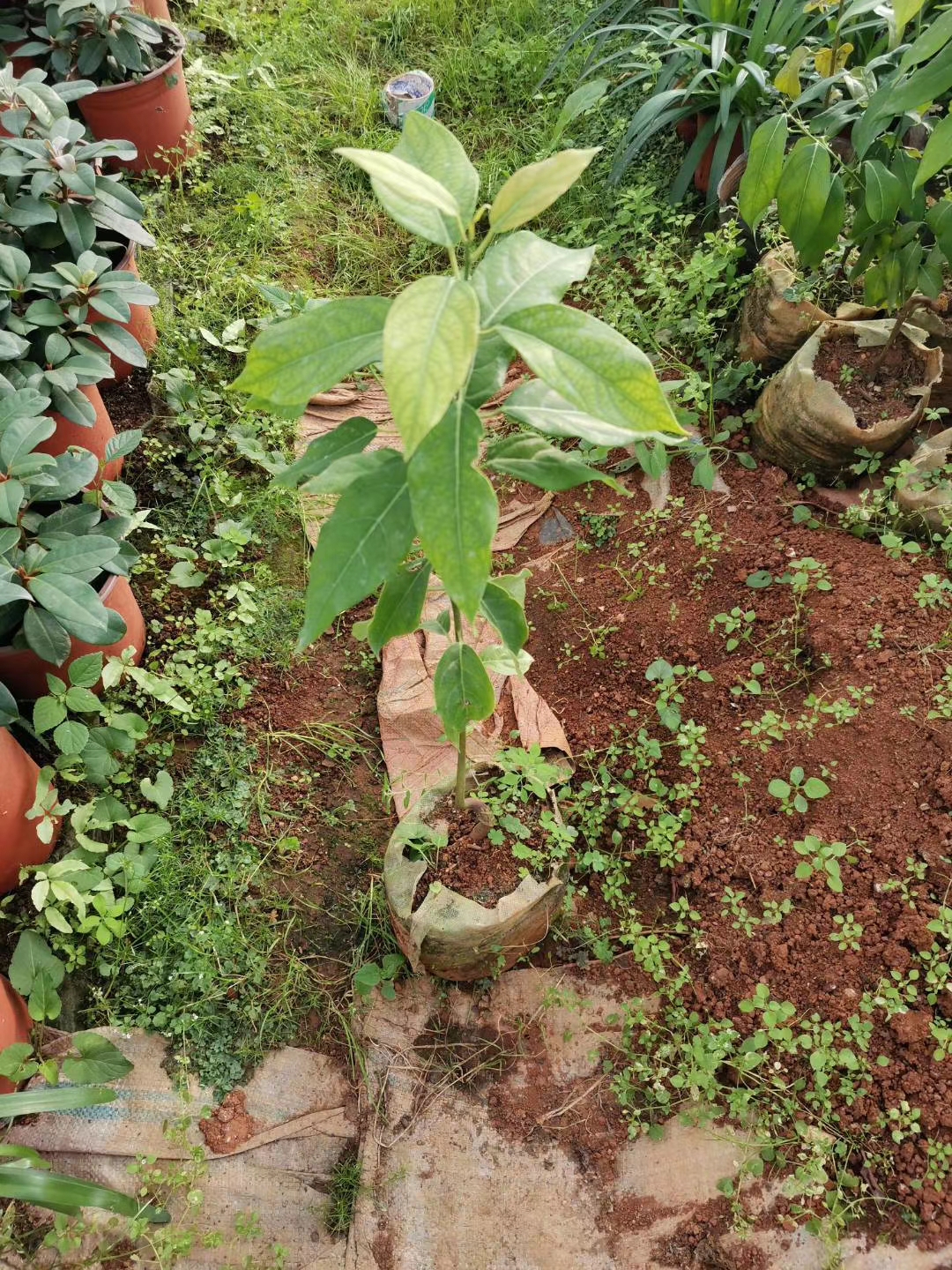
Malania oleifera is a rare Chinese tree whose seed oil is one of the richest natural sources of nervonic acid, a fatty acid used in infant nutrition and cosmetics. It grows in a small area of southeastern Yunnan and western Guangxi, in the valleys of the Youjiang and Nanpan rivers, on limestone hills and in evergreen forest between about 500 and 1,000 metres, where the climate is warm, humid and frost-free. The tree reaches ten to twenty metres, with a straight trunk, reddish-brown bark and alternate, leathery, elliptic leaves. The flowers are small and greenish, and the fruit is a large drupe that ripens yellow-green and contains a single seed with a high oil content. It was described only in 1980, from material collected in Guangxi, and it is the only species in its genus. The wild population is small, and the tree is protected in China.
Science & Biotechnology
Malania oleifera is a member of the Olacaceae, a family of tropical trees and lianas, and it is unusual in accumulating nervonic acid, a 24-carbon monounsaturated fatty acid, to more than half of the total fatty acid in its seed oil. Nervonic acid is a component of sphingomyelin in the myelin sheath of nerve fibres, and it is used in infant formula, in supplements for demyelinating conditions and in cosmetics, which is why the species has attracted interest far beyond its rarity. The tree is slow growing and takes many years to fruit, and its seed is large and does not store well, so both natural regeneration and plantation establishment are difficult. It is pollinated by insects and dispersed by rodents and gravity, and the seedlings need shade and moist soil to survive. The wild population has been reduced by logging and by the conversion of valley forest to agriculture, and the species is now classed as endangered in China, with collection of wild seed restricted.
Uses & Benefits
The seed oil is the reason the tree is known: it is pressed for nervonic acid, which is sold to the supplement and cosmetics industries, and plantations have been established in Guangxi and Yunnan to supply it. The timber is hard, fine grained and pale, and it is used for furniture and construction, though logging of wild trees is now prohibited. The fruit is not eaten, and the tree has no fodder value. In local medicine the oil is used on the skin, and the bark has a place in folk practice. For a gardener in a frost-free climate it is a slow, handsome evergreen for a large garden or a collection, with no ornamental display beyond its foliage. Its real importance is genetic: a single-species genus with a small population is a conservation priority, and the species is a case study in the tension between a valuable oil and a vulnerable wild plant.
Growing from Seed
Sow fresh seed as soon as the fruit ripens, since it loses viability quickly; clean off the flesh and sow in a deep pot of loam, leafmould and grit at 25 to 28 degrees. Germination is slow and can take three months or more. Grow the seedling in shade for its first two years, since it scorches in full sun, and pot it on into a deep container with acid soil. Plant out into a sheltered, frost-free site with deep, moist but drained soil, and mulch with leaf litter. Water regularly in the first three dry seasons, then only in drought. The tree is slow and may take a decade to flower, so it is a long-term planting. It is tender below about minus two, and it needs protection from wind while young.
Our Take
A rare Chinese tree with seed oil rich in nervonic acid and a wild population measured in hundreds. Slow, tender, and worth protecting.
Related Reading
If Malania appeals to you, these related plants are worth a look: