Rare plant seeds, roots, stems, leaves flowers scientific research, biotechnology,

Scaphium affine seeds(Sterculia lychnophora)

Scaphium affine seeds(Sterculia lychnophora)

LATIN NAME: Scaphium affine

COMMON NAME: Malva Nut

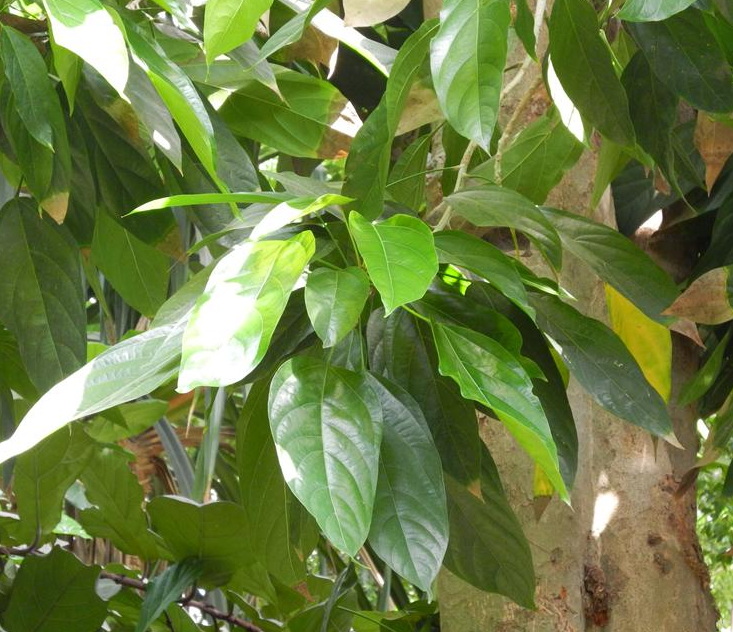
Open a packet of the malva nut and you will see why the old apothecaries prized it. The big, rounded, woody, brown seed with the fine, swollen base is the fruit of a tall, handsome tree of the warm forests, and the tree carries the large, glossy, deeply lobed leaves and the small, greenish flowers in the loose clusters. Drop the seed into hot water and it swells into the soft, jelly-like mass that made it famous. The tree is a fine, generous, long-lived addition to the warm, sheltered garden. It is a tree of the deep, rich, moist ground.

Scientific Research & Plant Biotechnology

The malva nut keeps a regular place in the plant science, and the tree has been studied for a long time for the remarkable swelling seed and the jelly-like mass it forms in water. The fine, mucilaginous character of the seed, which has a long record of use in the traditional practice of the region, has been studied closely, and the tree keeps showing up in the work on the traditional remedies and the warm-climate forest trees. The large, glossy, deeply lobed leaves and the tall, handsome habit have also made it a fine garden tree, and the seed remains a regular subject of the studies of the mucilage-bearing plants.

Ecological & Economic Value & Wide Applications

The malva nut pays its way in more than one direction. The remarkable seed, with its fine, swollen base, has a long and careful record of use in the traditional practice of the region, and it is gathered and studied for the jelly-like mass it forms in water. The tall, handsome tree is also a fine, dependable shade tree of the warm, sheltered garden, and the large, glossy leaves give it a fine, bold presence. It has been written up in the botanical and the herbal papers for the curious swelling seed, and it is a fine, generous tree of the warm, sheltered, well-watered garden.

The malva nut is one of the most curious of the warm-climate tree seeds, and the fine, swollen base of the big, woody seed is the whole secret of its fame. The tall, handsome tree with the large, glossy, deeply lobed leaves makes a fine, bold presence in the warm, sheltered garden.

To grow the malva nut tree from seed, sow the big, rounded seeds at a shallow depth in pots of moist, free-draining soil, covering them lightly, and keep them in a warm, bright, sheltered spot with a steady water supply. The seedlings are up within a few weeks and grow on steadily. With the warmth, the shelter and the deep, rich, moist ground, the large, glossy, deeply lobed leaves will be there in a few seasons.


Commonly known as malva‑nut tree, Scaphium affine is a tall tropical evergreen tree native to Southeast Asian low‑land forests. Its seeds hold notable cultural and practical value across regional communities. Harvested mature seeds swell dramatically when soaked in water, forming a soft gelatinous substance widely prepared as cooling herbal infusions and sweet desserts throughout Southeast Asia. Within traditional folk systems, seed material serves as a soothing herbal resource. Beyond its herbal applications, the mature tree delivers dense broad‑leaf canopies offering ample shade, while its timber finds local use for general wood‑working purposes. Planted within suitable tropical landscapes, this species also contributes to multi‑purpose agroforestry layouts.
Raising this tree from seed brings distinct practical merits. Seed‑origin stock develops robust taproot systems that anchor young trees firmly in tropical soils. Direct seed propagation avoids the complexities of grafting or layering for initial stock production, supporting bulk nursery output. Fresh harvested seeds carry full natural vigour, giving growers straightforward access to genetically diverse planting material. Seed‑raised saplings build strong structural foundations early on, preparing them well for long‑term outdoor growth once transplanted to field positions.
Sowing should happen immediately after seed collection, as viability fades in storage. Prepare clean, well‑drained sand beds under partial shade. Place seeds into individual shallow planting furrows, spacing each seed several centimetres apart and covering lightly with sand to roughly three centimetres depth. Surface the bed with loose straw mulch to stabilise moisture levels and shield developing seeds from harsh direct sunlight. Maintain steady gentle moisture throughout early development, never allowing the sowing medium to dry out completely. Once seedlings emerge, transfer young plants into nutrient‑rich growing bags, where they can build up strength before field planting.
Under warm, humid tropical conditions, viable seeds activate smoothly. Fresh seed material pushes out sturdy shoots that break through the sandy bed surface. Young seedlings unfold well‑formed early foliage and extend thick primary roots downwards into the substrate. Gradually increase light exposure as saplings harden off within their growing containers. With consistent warmth and moisture, seedlings gain height steadily, forming healthy leafy saplings ready for final site placement. Over years of growth, these seed‑grown specimens develop into large, productive trees that display the full functional qualities of Scaphium affine.
Prev:
Next: