


Phoebe chekiangensis Seeds | Chekiang Phoebe
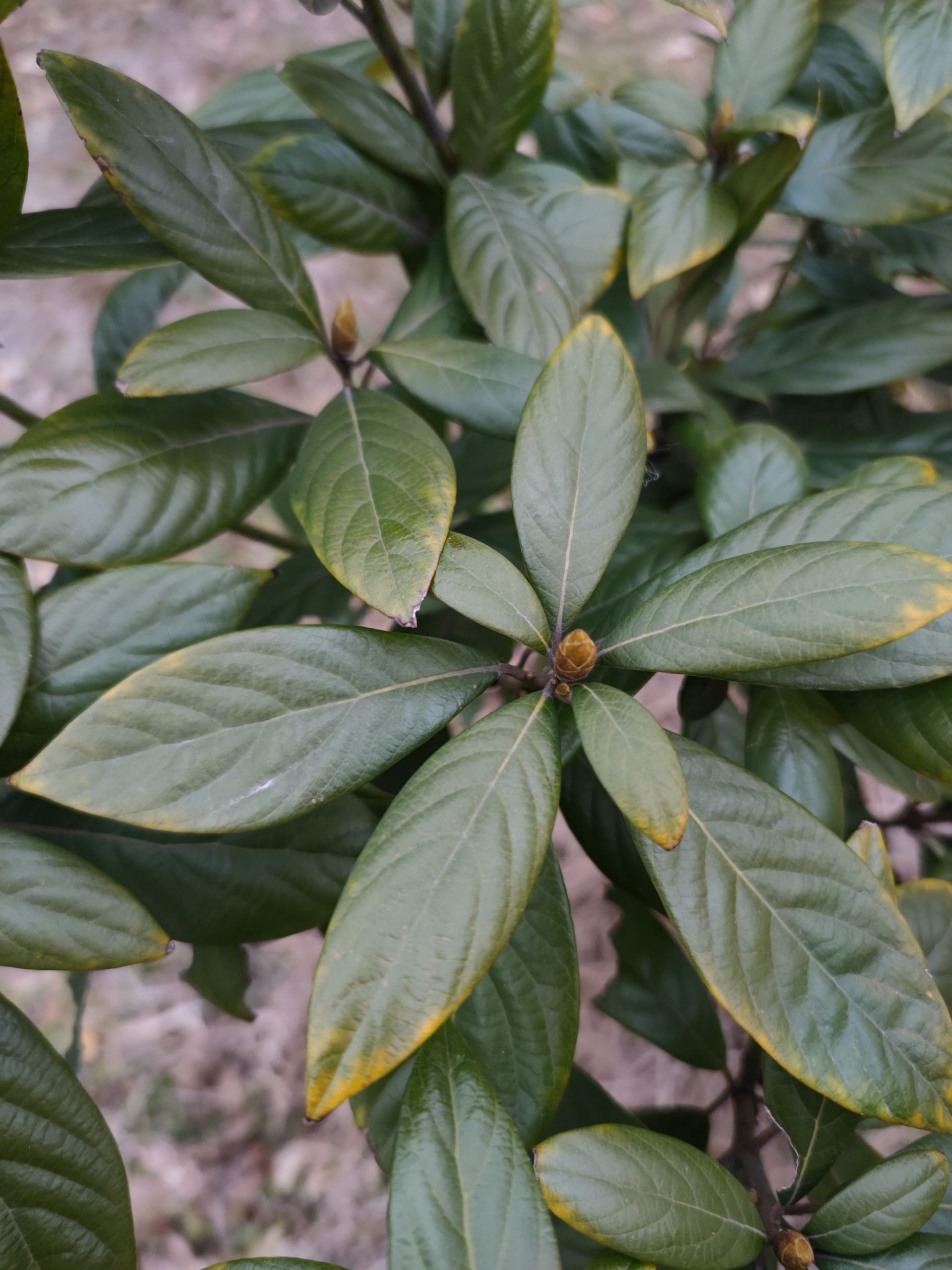
LATIN NAME: Phoebe chekiangensis
COMMON NAME: Chekiang Phoebe
Plant Profile
Chekiang phoebe is a Chinese timber tree of the nanmu group, logged for wood that takes a fine finish and smells faintly of spice. It grows in the evergreen forests of Zhejiang, Fujian, Jiangxi, Anhui and Hunan, on moist shaded slopes and in valley bottoms below about 1,000 metres, where the air is humid and the soil is deep and acid. The tree reaches twenty metres, with a straight grey trunk and a dense crown of leathery, elliptic leaves that are glossy above and glaucous beneath. Small greenish flowers appear in spring, followed by black, egg-shaped fruits held in a cup. The wood is fine-grained, pale yellow-brown, resistant to decay and easy to work, and it has been cut for furniture, panelling, boats and coffins for centuries. Old trees are now rare, and the species is protected in China.
Science & Biotechnology
Phoebe chekiangensis belongs to the laurel family, whose timber is distinguished by chains of oil cells running through the wood; those cells hold the aromatic compounds that give nanmu its smell and its resistance to insects. The wood is diffuse-porous with fine vessels, which is why it planes to a smooth surface and takes lacquer well, and why it was reserved for the best furniture and temple carvings. The species is slow growing and shade tolerant as a seedling, regenerating under a closed canopy and releasing when a gap opens, a strategy that makes it vulnerable to clear-felling. Its seed is short-lived and does not survive drying, so it must be sown fresh and kept moist, which limits both natural regeneration and nursery work. The tree is now classed as a national second-class protected plant in China, and remaining populations are small and fragmented. Attempts to establish plantations have been slow, because the species takes decades to reach saw-log size.
Uses & Benefits
The timber is the main reason the tree is known: it is used for high-grade furniture, interior panelling, musical instruments, seals and carving, and old nanmu pieces are collected as antiques. The bark and leaves have a place in local medicine, and the fruit yields an oil used for soap and lamps. In the garden the tree is grown as a slow, handsome evergreen for a sheltered site, with glossy foliage and a dense crown that casts deep shade. It is also used in mixed forest restoration in southern China, where it is planted under pioneer species and left to come through. It is not a tree for a small garden, and it is unlikely to be available outside China except through specialist collectors. Its conservation matters more than its garden use: the remaining stands are the genetic base for any future forestry.
Growing from Seed
Sow fresh seed as soon as the fruit is ripe, having cleaned off the flesh; the seed loses viability within weeks if dried, so do not store it. Sow in a moist, humus-rich mix at 20 to 25 degrees, cover lightly, and keep in shade. Germination takes four to eight weeks and is uneven. Grow the seedlings under shade for their first two years, since they scorch in full sun, and pot them on into deep containers with acid soil. Plant out into a sheltered, shaded site with deep, moist but drained soil, and mulch with leafmould. Water regularly in the first three summers, then only in drought. The tree is hardy to about minus ten and grows slowly, adding 30 to 50 cm a year in good conditions. Prune only to remove a competing leader, and leave the lower branches to shade the trunk.
Our Take
A slow Chinese timber tree with fragrant nanmu wood and glossy evergreen leaves. Rare, protected, and a plant for the next generation.
Related Reading
Continue exploring with these related plants: