


Lavandula angustifolia Seeds | Munstead Lavender
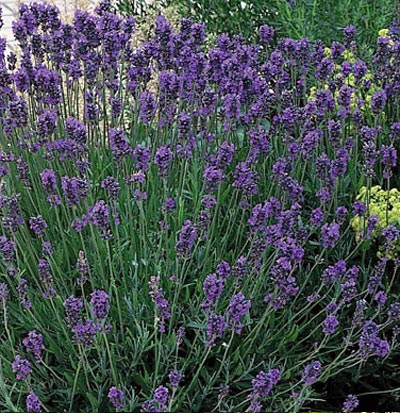
LATIN NAME: Lavandula angustifolia
COMMON NAME: Munstead Lavender
Plant Profile
Munstead Lavender (Lavandula angustifolia) is a hardy, evergreen shrub in the mint family. The Munstead lavender bobs short, violet wands above neat grey-green mound, the whole plant staying in the tidy, classic look of the sunny border. It is a plant of open, sunny, light, gritty, well-drained ground. The ratio of effort to reward here is about as good as gardening gets.
Science & Biotechnology
Research touching on Lavandula angustifolia ranges from the botany of the mint family to practical horticulture, including seed handling, propagation and the selection of superior forms. It is the kind of species that plant scientists reach for when they need reliable material for propagation and selection studies.
Uses & Benefits
In the garden, Munstead Lavender earns its place in borders, containers and mixed plantings, and it also rewards growers who raise plants for cutting, drying or kitchen use. The Munstead lavender is a tidy, useful plant of sunny border and study collection. It is a tidy, useful plant of open, sunny, light, gritty, well-drained garden.Sow Munstead seeds in a gritty, sandy mix kept barely moist. It establishes readily and then requires nothing out of the ordinary.
Lavender is aromatherapy’s cornerstone: its essential oil, standardized as the oral preparation Silexan, has clinical-trial support for anxiety, and lavender baths, sachets and teas are among the oldest calming remedies in Europe. It is also one of the great bee plants.
Growing from Seed
Seed is the natural starting point for Munstead Lavender, and the process is uncomplicated. Use a fine, free-draining seed compost, scatter the seed evenly, cover it lightly and hold it just moist in good light. Once the seedlings have made true leaves, pot them on individually and plant out when they are sturdy and conditions are right.
Our Take
Munstead Lavender repays a little patience at sowing time with plenty of garden presence later.
Related Reading
If Munstead Lavender appeals to you, these related plants are worth a look: