Rare plant seeds, roots, stems, leaves flowers scientific research, biotechnology,

Hidcote Lavender Lavandula angustifolia ‘Hidcote’

Hidcote Lavender Lavandula angustifolia 'Hidcote'

LATIN NAME: LAVANDULA ANGUSTIFOLIA

COMMON NAME: Hidcote Lavender, English Lavender

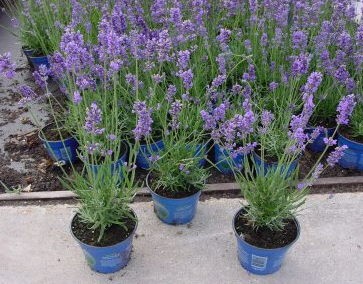
The Hidcote lavender is one of the finest of the lavenders of the garden, and its dense, deep-purple spikes and its fine, silver-grey foliage have made it a treasured plant of the borders and the hedges of the world. It grows as a compact, bushy, evergreen shrub of the mint family, reaching up to half a metre or more, with many upright, woody, branching stems bearing the fine, narrow, linear, silver-grey, aromatic leaves and, in the mid-summer, many dense, upright spikes of the small, tubular, two-lipped, deep-purple flowers, followed by the small, dark nutlets. It is a bred form of the English lavender, developed at the famous gardens of the Hidcote Manor, while it is grown for its fine, compact habit, its deep-purple flowers and its strong, sweet scent, and it is known as the Hidcote lavender.

Scientific Research & Plant Biotechnology

The Hidcote lavender has a real and distinguished place in research. It has been studied in the chemistry of the essential oils, since the flowers and the leaves of the Hidcote lavender yield a fragrant oil that has been prized in the perfumery and the making of the scented things for a very long time, and the researchers have examined the flowers, their oil and their constituents, while the value of the lavender oil has drawn attention in the international perfumery and botanical press, and the study of the fragrant oils of the lavender has been of continuing interest across the world. The plant has also been studied in the horticulture and the history of the garden, since the Hidcote lavender is one of the most famous of the named lavenders, and the researchers and the historians have examined its origin at the Hidcote Manor, its breeding and its place in the gardens, while the fine, deep-purple spikes have drawn attention in the international horticultural press, and the breeding of the lavenders has been of continuing interest. The species has also been studied in botany and ecology, since it is a member of the mint family, and its relationships and its many forms have been examined, while the dense, upright spikes of the small, tubular flowers have been of interest to the botanists and the bees alike. For a plant of such fine value, the Hidcote lavender has a rich and distinguished record of research.

Ecological & Economic Value & Wide Applications

To grow the Hidcote Lavender from seed, ecologically, the Hidcote lavender is a generous plant of the garden. Its dense, upright spikes of the deep-purple flowers feed the bees and the butterflies of the mid-summer, and its fine, aromatic, evergreen foliage gives a fine cover and a shelter to the small creatures, while its strong, sweet scent fills the air of the border. Its economic value is real: the Hidcote lavender is prized for its fine, compact habit, its deep-purple flowers and its fragrant oil, and its value has drawn attention in the international perfumery and horticultural press, while its flowers and leaves have been used in the making of the scented things, and the plant is a beloved friend of the borders and the hedges of the world. To raise the Hidcote lavender, sow the seeds into pots of gritty, free-draining compost in a sunny, open spot, keep them lightly watered, and grow the little shrubs on in the sun.

sow the seeds into pots of gritty, free-draining compost in a sunny, open spot, keep the young lavenders lightly watered, and grow the little shrubs on in the sun.


LATIN NAME: Lavandula angustifolia

COMMON NAME: Hidcote Lavender

LATIN NAME: Lavandula angustifolia

COMMON NAME: Hidcote Lavender

The Hidcote lavender is a neat, compact, rounded, evergreen shrub of the sunny gardens, and its fine, narrow, grey-green, aromatic leaves and its fine, upright spikes of the many small, deep-purple, fragrant flowers have made it one of the most loved and most grown of the garden lavenders of the world. It grows as a compact, rounded, evergreen shrub, reaching up to half a metre or less, with the low, dense, branching habit bearing the opposite, narrow, linear, grey-green, aromatic leaves and, through the summer, the fine, upright, slender spikes of the many small, deep-purple, two-lipped, fragrant flowers, followed by the small, dry, many-seeded heads. It is a variety of the flowering shrub in the mint family, and it is the famous Hidcote lavender of the gardens, grown in the sunny gardens of the world, and it is known as the Hidcote lavender.

The Hidcote lavender belongs to the mint family, Lamiaceae, and it is a variety of the compact, rounded, evergreen shrub, and it is the famous Hidcote lavender of the gardens, grown in the sunny gardens of the world, and it is known as the Hidcote lavender. It is prized for its fine, upright spikes of the many small, deep-purple, fragrant flowers.

Scientific Research & Plant Biotechnology

The Hidcote lavender has a real and distinguished place in the research. It has been studied in the chemistry of the natural products and the food science, since the fine, aromatic leaves and the flowers of the lavender are rich in the fine volatile oils, and researchers have examined the plant and its constituents, while the study of the lavender oils has drawn attention in the international botanical and food press, and the fine, fragrant oil of the lavender has been of value in the perfumes, the kitchens and the fine soaps of the many lands. The plant has also been studied in the horticulture, since its fine, upright spikes of the many small, deep-purple, fragrant flowers have made it one of the most loved and most grown of the garden lavenders, and researchers and the breeders have examined its growth, its form and its cultivation, while the breeding of the lavender has been of continuing interest, and its fine, deep-purple form has been of value. The species has also been studied in the ecology of the insects, since the fine, upright spikes of the small, fragrant flowers of the lavender are a fine source of the nectar for the bees and the butterflies, and researchers have examined the flowers and their value, while the study of the nectar plants of the garden has been of continuing interest, and the lavender is a fine friend of the bees of the garden. For a plant of such fine fragrance, the Hidcote lavender has a rich and continuing record of study.

Ecological & Economic Value & Wide Applications

Ecologically, the Hidcote lavender is a generous plant of the garden. Its fine, upright spikes of the small, deep-purple, fragrant flowers feed the bees and the butterflies, and its fine, compact, grey-green, aromatic growth gives a neat, fine presence to the sunny border and the dry garden.

Its economic value is real. The Hidcote lavender is prized for its fine, fragrant flowers and its fine volatile oils, and its value has drawn attention in the international botanical and food press, while its fine, fragrant oil has been used in the perfumes, the kitchens and the fine soaps of the many lands, and its neat, compact form in the garden. For a grower, the Hidcote lavender is an easy and rewarding plant, and for a gardener it brings a deep-purple, fragrant, grey-leaved shrub to the sunny garden. The seeds ask only for light to wake up — scatter them over a pot of gritty, well-drained mix and dont bury them, just press them down with your fingertips so they sit snug against the surface, then mist lightly and keep the pot in a bright, airy spot, and youll soon see the first fine green.

Hidcote is a very popular cultivar for hedging. It has a compact and erect habit with gray lanceolate leaves. It's deep violet flowers are strongly scented and bloom in dense spikes on 12 to 14 inch stems. This is the classic lavender used in sachets, perfumes, wands, etc. Foliage is aromatic and grey-green and flower lavender, appearing in July and August. Thrives in full sun and loose, well-drained soil. Little to no fertilization best. To keep plants compact, prune soon after flowering.

Prev:
Next: