


Lavandula angustifolia Seeds | English Lavender
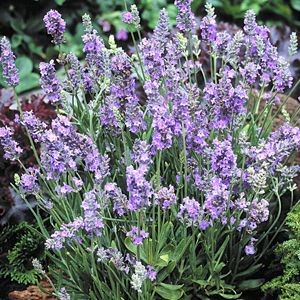
LATIN NAME: Lavandula angustifolia
COMMON NAME: English Lavender, Common Lavender, True Lavender
Plant Profile
Lavandula angustifolia, better known as English Lavender, is a compact, bushy, evergreen shrub in the mint family (Lamiaceae), native to warm regions of the Mediterranean, while it has been cultivated in gardens for a very long time. Each of these traits is modest on its own; together they make a garden-worthy plant.
Science & Biotechnology
Research touching on Lavandula angustifolia ranges from the botany of the mint family to practical horticulture, including seed handling, propagation and the selection of superior forms. The English lavender has a real and distinguished place in research. For practical purposes the message is encouraging: generations of cultivation have produced plants of predictable, well-mannered garden character.
Uses & Benefits
Gardeners value English Lavender for its ornamental character, and the plant also fits naturally into herb, vegetable and cutting gardens. The English lavender is a compact, fragrant shrub of sunny, dry garden and rockery, bearing spikes of fragrant, pale-purple flowers in the summer. Its flowers feed bees and butterflies, and its compact, evergreen growth gives a fine structure in herb garden and border, while its tolerance of poor, dry soil makes it a valuable plant for sunny, well-drained garden. To raise the English lavender, sow seeds on surface of pots of gritty, open compost in a sunny, cool place, keep them gently watered, and grow little shrubs on in the sun. A plant that has settled in will get along with only routine care.
Lavender is aromatherapy’s cornerstone: its essential oil, standardized as the oral preparation Silexan, has clinical-trial support for anxiety, and lavender baths, sachets and teas are among the oldest calming remedies in Europe. It is also one of the great bee plants.
Growing from Seed
English Lavender grows readily from seed. A simple routine works well: sow evenly over the surface and cover lightly in a loose, well-drained seed compost, maintain even moisture, and provide bright light. Move strong seedlings into individual pots, keep them in good light, and set them out when the weather and their size agree.
Our Take
English Lavender repays a little patience at sowing time with plenty of garden presence later.
Related Reading
If English Lavender appeals to you, these related plants are worth a look: