


Trigonella foenum-graecum Seeds | Fenugreek Foenum Graecum
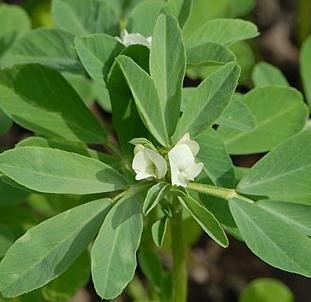
LATIN NAME: Trigonella foenum-graecum
COMMON NAME: Fenugreek
Plant Profile
Fenugreek (Trigonella foenum-graecum) is a fine, generous herb in the pea family. Fenugreek is a small, hard seed with a very long memory. Seeds have a very long record of use in kitchens, old practice and spice trade of the East, and plant is a fine, generous herb of warm season. It is a plant of open, sunny, well-drained ground. Its flowers draw a steady traffic of bees and other beneficial insects. It is the sort of plant that quietly justifies the space it occupies.
Science & Biotechnology
Within the pea family, Trigonella foenum-graecum is of continuing interest to researchers working on plant diversity, seed biology and the selection of improved garden forms. Fenugreek is an old and steady subject of plant science, studied for small, hard seeds with warm, maple-like scent. Centuries of cultivation have left a detailed record of how it grows and behaves.
Uses & Benefits
Fenugreek works well in borders, containers and dedicated beds. Fenugreek is a small seed with a very long list of duties. Amber-brown seeds are ground into warm, maple-like spice of curries, spice blends and flatbreads of the East, and seeds and leaves have their own long record in old practice of the region. Plant is also a fine, fast green manure of warm season, feeding soil, and young leaves are eaten as fresh, mildly bitter green. After the first season it asks for very little beyond a place that suits it.
Fenugreek seed is spice and medicine together: a galactagogue with traditional and clinical support for nursing mothers, and a blood-sugar-friendly fiber source studied in human trials; its maple-syrup aroma flavors curries and supplements alike.
Growing from Seed
Seed is the natural starting point for Fenugreek, and the process is uncomplicated. Scatter the seed evenly over a loose seed compost, cover to no more than its own depth, and keep the pot moist and bright. A spell of cool, moist conditions ahead of sowing brings the seed along nicely and supports even germination. Shift the seedlings into small pots as soon as they can be handled, and give them bright light until planting-out time.
Our Take
Given the right start, Fenugreek is a long-term garden companion. The seed responds well to a spell of cold stratification, a small step that pays off.
Related Reading
More species in the same orbit as Fenugreek: