


Eleusine indica Seeds | Goosegrass
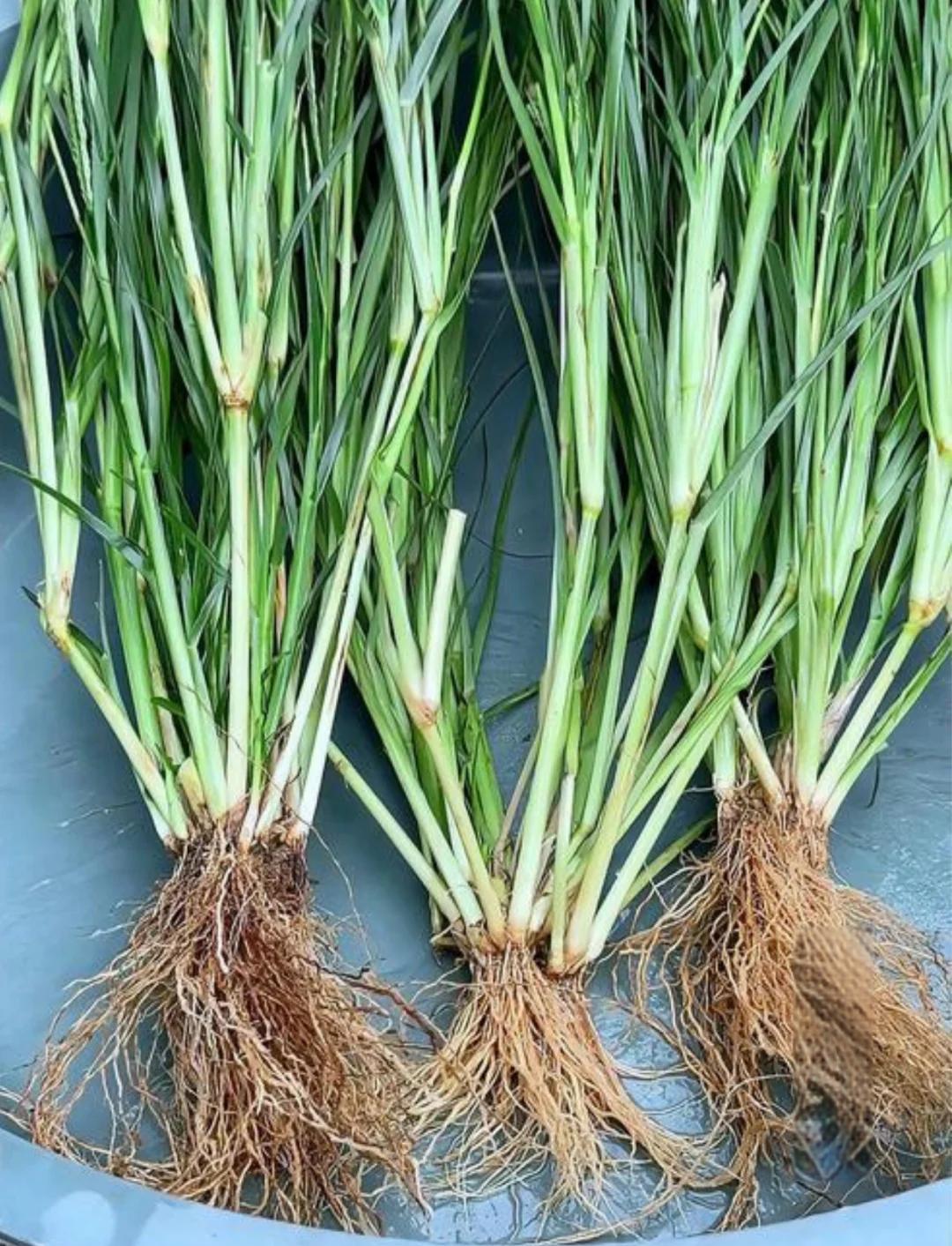
LATIN NAME: Eleusine indica
COMMON NAME: Goosegrass
Plant Profile
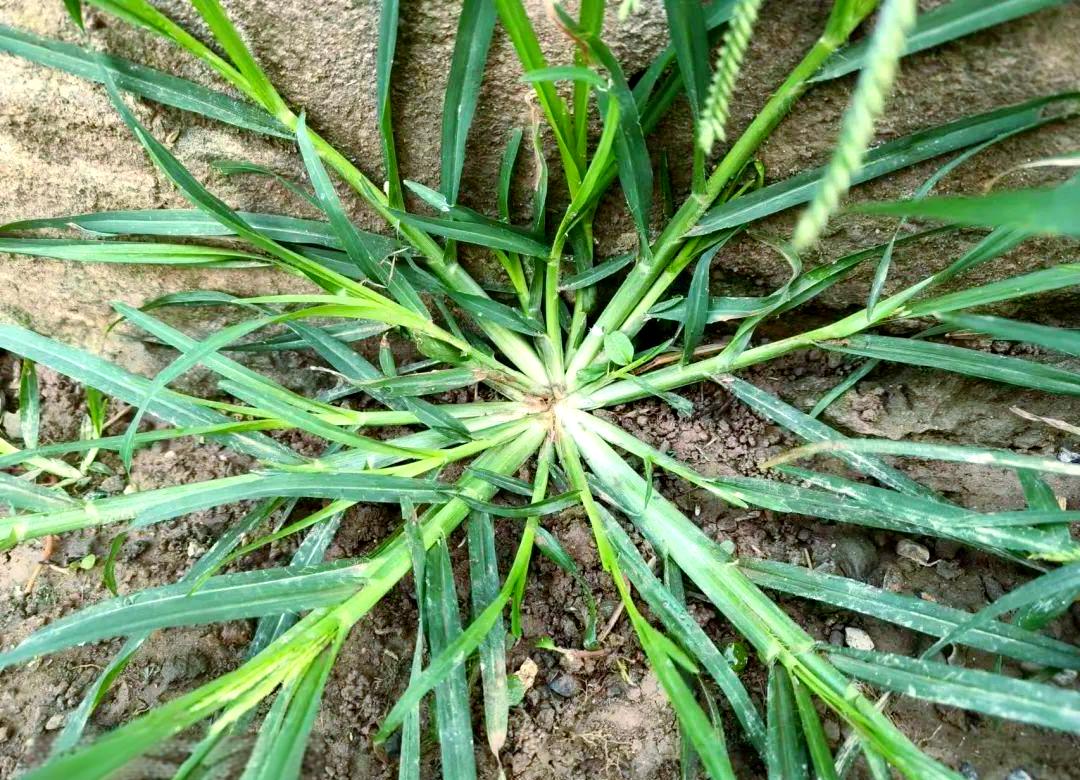
Known to gardeners as Goosegrass, Eleusine indica is a tough, tufted annual. Goosegrass grows where other grasses give up. Tough, tufted annual grass carries flattened, folded, dark-green leaves, and fine, dense, finger-like flower heads rise above them through warm season. It is a plant of ordinary, well-drained soil. These traits together are what have kept the plant in gardens for so long.
Science & Biotechnology
Like other members of the Eleusine group, Eleusine indica draws steady attention from botanists and plant breeders, who value the genus both as a subject of research and as a source of garden-worthy material. Goosegrass sits firmly in studies of tough, widespread grasses, and grass has been looked at for flattened, folded leaves and dense, finger-like flower heads. Its behaviour in gardens is well recorded, thanks to a long history in cultivation.
Uses & Benefits
In the garden, Goosegrass earns its place in borders, containers and mixed plantings, and it also rewards growers who raise plants for cutting, drying or kitchen use. Goosegrass does a lot of work on hard ground. Tough, tufted grass holds trodden paths and banks together, and fine, dense seed heads feed seed-eating birds through late summer. Young, tender plants are a fine, easy fodder of warm regions, and grass is a dependable, undemanding cover of poor, dry ground. Given the right start, it carries on with minimal intervention.
Finger millet, ragi, is a calcium-rich African and Indian staple grain, valued for diabetes-friendly slow starch and superb storage qualities.
Growing from Seed
Seed is the natural starting point for Goosegrass, and the process is uncomplicated. Sow the seeds evenly over the surface and cover lightly in a loose, well-drained seed compost, keep the sowing evenly moist, and give the pot or tray bright light. Move strong seedlings into individual pots, keep them in good light, and set them out when the weather and their size agree.
Our Take
Part of this plant’s appeal is the long practical history summarized above. Being a tough, tufted annual, it asks for a permanent spot and repays it yearly. Sun and good drainage cover most of its demands.
Related Reading
More species in the same orbit as Goosegrass: