Rare plant seeds, roots, stems, leaves flowers scientific research, biotechnology,

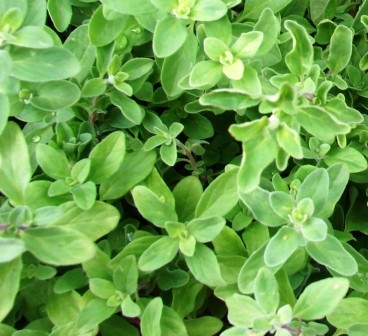
Origanum majorana Marjoram seed

Origanum majorana Marjoram seed


LATIN NAME: Origanum majorana COMMON NAME: Marjoram, Sweet Marjoram, Knotted Marjoram

Origanum majorana is a tender perennial herb from the Lamiaceae family, widely cultivated as an annual in cooler climate zones for its soft aromatic foliage and delicate flowering habit. This herb develops compact, branching bushy plants with small, oval, velvety grey‑green leaves that release a mild sweet spicy fragrance when crushed. As summer progresses, tight rounded clusters of tiny white or pale pink blossoms emerge, forming attractive knotted flower heads that lend soft texture to herb plantings. Seed‑grown marjoram produces well‑structured plants with vigorous fibrous root systems, supporting steady leaf production and improved tolerance against brief dry spells. Subtle natural differences in scent intensity and leaf size occur among seed‑raised individuals, adding gentle diversity without diminishing the herb’s beloved culinary qualities. Marjoram thrives in full sunlight and prefers light, fertile, freely draining soil. It performs wonderfully in herb beds, vegetable garden companionship schemes, mixed edible borders, window boxes and patio containers. Every viable seed holds complete genetic potential to grow into a productive aromatic herb, delivering ongoing fresh harvests and lively seasonal charm for gardeners.

Positive & Encouraging Seed Germination Guide

Growing Origanum majorana from seed brings promising and rewarding results, giving every grower hopeful prospects for abundant fragrant leaf harvests. Plan indoor sowing roughly six to seven weeks before the expected last spring frost date. Choose fine, loose seed starting mix with good drainage capacity. Spread the small seeds evenly across the surface of the growing medium and press lightly for firm contact; light greatly supports sprouting, so avoid covering seeds with thick soil layers. Maintain gentle, even moisture using fine mist irrigation, taking care never to allow waterlogging which can impair seed activity. Keep seed trays at stable temperatures ranging from 18‑22 degrees Celsius. Seedlings start to appear within 10‑20 days, with progressive emergence across the seed batch being perfectly normal. Once seedlings develop several pairs of true leaves, improve air circulation steadily and start hardening young plants to outdoor wind and sunshine. When frost danger has fully disappeared, transplant marjoram into garden positions or containers. Space seedlings appropriately so branches can spread freely without overcrowding. Young plants benefit from regular moderate watering while root systems become established. Once settled, marjoram shows good resistance to short dry periods. Frequent light leaf harvesting stimulates fresh new growth and keeps plants bushy and productive all summer long. With simple routine attention, each sown seed will mature into a thriving herb ready for repeated picking.

Ecological & Economic Value & Wide Applications

Origanum majorana delivers practical ecological benefits alongside broad‑reaching economic and culinary value for home growers and commercial herb producers. Ecologically, its delicate summer blossoms produce accessible nectar that draws bees, hoverflies and other beneficial pollinating insects into growing spaces. When planted within vegetable gardens, it supports balanced local insect populations and helps build diversified organic growing environments. Economically, sweet marjoram stands as a globally significant culinary herb. Fresh leaves enhance salads, meat dishes, soups and vegetable recipes, offering a softer aroma compared to related oregano varieties. Dried leaf material is traded widely within the spice industry for seasoning blends and food processing. Seed‑propagated stock supports herb farm production, greenhouse potted‑plant nursery sales and community edible gardening initiatives. Marjoram adapts exceptionally well to container culture, making it ideal for urban balconies and rooftop gardens with limited ground space. Low maintenance requirements and fast seasonal growth make it an efficient crop for small‑scale cultivation. Beyond food use, harvested plant material can be applied for aromatic crafts and herbal infusions. Blending edible productivity, pollinator‑friendly flowering and flexible planting adaptability, Origanum majorana serves as a multi‑purpose herb for residential gardens, commercial horticulture and sustainable herb farming operations.

Prev:
Next: