


Origanum vulgare subsp. hirtum Seeds | Greek Oregano
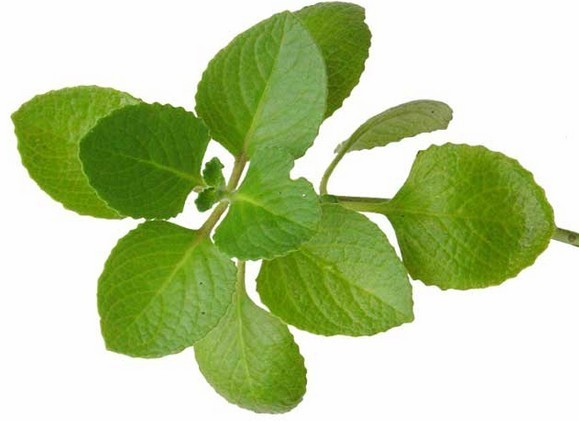
LATIN NAME: Origanum vulgare subsp. Hirtum
COMMON NAME: Greek Oregano
Plant Profile
Greek oregano is a low, spreading perennial with a woody base and upright flowering stems 30 to 60 cm tall. The small, oval leaves are greyer and more hairy than those of sweet marjoram, and the leaf is where the oil glands sit. In summer the plant lifts dense, rounded clusters of white to pale-pink, two-lipped flowers that draw a steady stream of bees.
Origanum joins the Greek oros, “mountain,” and ganos, “joy,” joy of the mountain, for the sight of wild oregano on Mediterranean hillsides. The subspecies name hirtum means “hairy,” separating this pungent form from the smoother, blander wild marjoram of northern Europe.
Hang cut stems upside down in a dark, airy space and crumble the leaf from the stem once crisp. In the garden it makes a tidy edging and a bee plant, and the flowers dry well for arrangement.
Greek oregano is the herb for a slab of feta with olive oil and a scatter of dried leaf, and it lifts a simple flatbread or a tomato-and-onion pita. Mixed with olive oil and lemon it becomes a quick marinade for grilled vegetables and a dressing for boiled beans. A pinch also sharpens a lemon-roasted potato, where the carvacrol cuts the richness.
Once the second pair of true leaves appears, thin to one plant per station and set out at 25 to 35 cm apart so the woody base stays airy. Crowding shades the lower leaf and dilutes the oil.
Cut stems just before the flower buds open, when the oil peaks, and shear the plant back after bloom to keep it compact. A gravel mulch over the crown carries it through wet winters; in cold zones grow it in a raised bed or a pot brought under cover.
Science & Biotechnology
Not every plant labelled “oregano” earns the name on a pizza. The Greek type, Origanum vulgare subsp. hirtum, carries the pungent, almost medicinal bite that defines tomato sauce, grilled lamb, and village salads, and the bite has a chemical address. Its oil is rich in carvacrol, the same phenol found in thyme and savory, and a leaf of true Greek oregano will make your tongue tingle where a bland ornamental oregano does nothing.
Oregano oil and leaf extracts are studied for activity against food-borne bacteria and fungi, which explains the herb’s deep roots in warm-climate preserving, sprinkled on cheese, cured flesh, and stored grain. The effect is real but dose-dependent, and the fresh leaf is a seasoning, not a preservative on its own.
Uses & Benefits
True Greek oregano, high in carvacrol, must not be confused with ornamental O. vulgare, which is mild and better left to the border, nor with Mexican oregano, a different plant entirely, Lippia graveolens, with a lemonier, more camphor note. Marjoram, O. majorana, is the sweet, low-phenol cousin used in blends where heat is unwanted.
Steam-distilled flowering tops yield an oil dominated by carvacrol, often with thymol, p-cymene, and gamma-terpinene. Carvacrol is the compound behind both the flavor and the documented antimicrobial action, and breeders select lines for a high, stable carvacrol level because that is what the food trade pays for.
Strip the leaf and crush it over pizza before baking, fold it into a tomato sauce, or rub it on lamb and chicken with lemon and olive oil. Dried Greek oregano is stronger than fresh and is the standard for winter cooking.
Beyond the kitchen, oregano infusions belong to a long folk tradition for digestion and for gargles; these are cultural practices, not medical advice.
Growing from Seed
Because seed-grown oregano varies wildly in pungency, the prized Greek forms are held as cuttings or micropropagated clones and field-tested for oil before release. This clonal control is why a named Greek oregano tastes the same year to year.
Sow onto a fine, gritty mix that drains freely and press the seed in without deep cover, since light helps it. Keep warm and barely moist until seedlings stand, then move them to full sun.
Our Take
Greek oregano is the herb I dry in bulk, because the supermarket jar loses its tingle within a season. Grow the true carvacrol-rich form, cut before bloom, and keep the crown dry.
Related cooking herbs: Marjoram, Syrian Oregano, and Hyssop.
Related Reading
Gardeners who grow Greek Oregano often pair it with these related subjects: