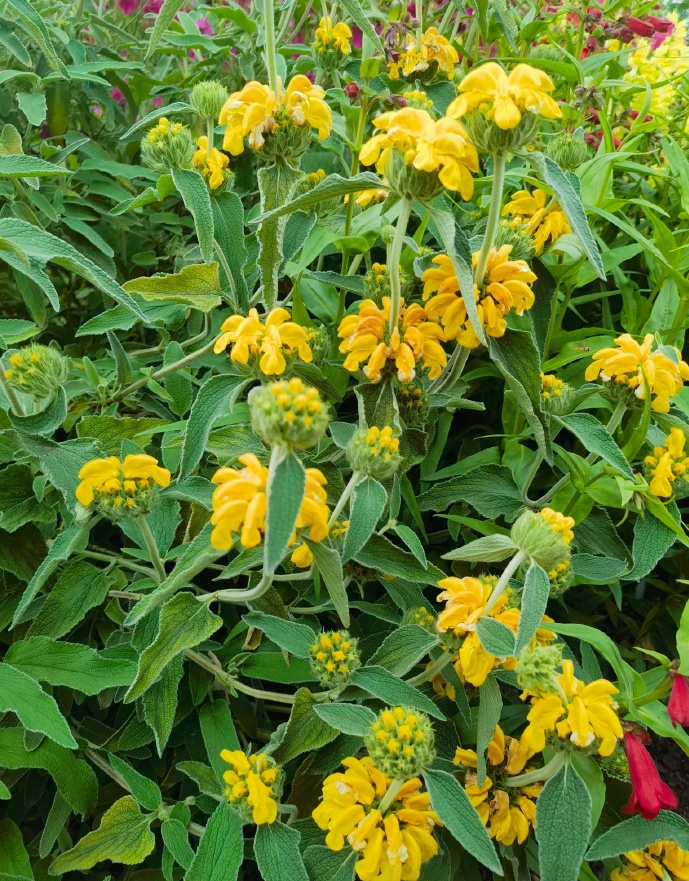
Phlomis brachyodon seed
Practical and Therapeutic Applications of Phlomis brachyodon
Introduction
Phlomis brachyodon, commonly named short-toothed phlomis, is a woody subshrub belonging to the Lamiaceae mint family, naturally distributed across the Eastern Mediterranean, including Palestine, Jordan, Lebanon and Syria. This drought-resistant aromatic herb bears silvery, fuzzy foliage and clustered tubular blooms, and has sustained multifunctional human use for generations, spanning folk therapeutic practice, landscape cultivation, ecological restoration and preliminary laboratory pharmacological research. Its wide range of applications stems from abundant secondary metabolites concentrated in aerial plant parts, particularly mature leaves and flowering tops.
1. Traditional Folk Medicinal Uses
Local healers across Levantine rural communities have integrated Phlomis brachyodon into daily herbal regimens for internal and external symptom relief, with standardized preparation methods passed down through regional healing traditions.
Respiratory Support
Dried leaf infusions serve as a primary expectorant for persistent dry cough, mild bronchial congestion and seasonal upper respiratory tract irritation. The warm tea infusion eases bronchial spasms by thinning accumulated mucus; folk practitioners often blend its leaves with wild thyme to amplify soothing effects for individuals with uncomplicated asthma flare-ups. Aerial tissue decoctions are also used as steam inhalation to clear nasal blockages linked to colds and hay fever.
Anti-Inflammatory Topical Treatment
Crushed fresh leaves or concentrated leaf decoctions are applied externally to minor abrasions, skin abscesses, insect stings and joint swelling. The plant’s topical antiseptic properties limit surface bacterial colonization, while phenolic compounds reduce redness and localized inflammation. For chronic mild joint discomfort, dried leaf poultices wrapped over affected areas are left in place overnight to alleviate stiffness.
Digestive Tract Regulation
Mild infusions of flowering tops relieve post-meal bloating, slow gastric emptying and mild intestinal cramping. Gentle bitter constituents stimulate low digestive enzyme production without harsh laxative effects, making it suitable for sensitive digestive systems prone to indigestion after rich meals.
Reproductive Folk Remedy
Field surveys conducted in West Bank herbal medicine record Phlomis brachyodon leaf preparations among frequently cited botanicals used to support male reproductive health in traditional healing frameworks. Dried ground leaves are mixed with water or local dairy to create daily oral doses, though modern pharmacological trials have not yet validated consistent efficacy for fertility-related concerns, and regional medical literature notes inconsistent observable outcomes across user groups.
2. Phytochemical Basis and Modern Pharmacological Findings
Controlled extraction and lab assays identify core bioactive compounds that underpin the plant’s observable biological activity, with most research focusing on ethanol and aqueous extracts from dried aerial material. Key constituents include rosmarinic acid, multiple flavonoid derivatives, iridoid glycosides and volatile essential oils rich in monoterpenes.
- Antimicrobial and anti-biofilm activity: Essential oil isolated from Phlomis brachyodon inhibits the formation of bacterial biofilms, structures that render common pathogens resistant to conventional antiseptics and antibiotics. Lab testing confirms inhibitory action against gram-positive strains including Staphylococcus aureus, a frequent cause of skin and soft tissue infection.
- Antioxidant capacity: High phenolic content delivers free radical scavenging effects measured via standard DPPH testing. Aqueous leaf extracts demonstrate stronger antioxidant performance than organic solvent extracts, highlighting the value of water-based herbal preparations for oral intake.
- Anti-inflammatory potential: In vitro cell studies show extract treatment suppresses the release of pro-inflammatory signaling molecules, providing preliminary scientific backing for its centuries-old topical use on swollen tissue.
- Cardioprotective preliminary data: Similar to other Lamiaceae relatives, Phlomis brachyodon extracts display mild anti-platelet aggregation properties in laboratory settings, suggesting further research into cardiovascular supportive applications is warranted, though human clinical trials remain limited.
Researchers note significant variation in compound concentration based on harvest season, soil aridity and plant maturity; flowering-phase samples consistently yield higher levels of therapeutic phenolics than juvenile leaf material.
3. Horticultural and Landscape Applications
As a xerophytic subshrub, Phlomis brachyodon holds substantial value for low-water, sustainable landscaping in arid and semi-arid climate zones.
Drought-Tolerant Ornamental Plant
Its silvery grey textured foliage creates visual contrast alongside native grasses, lavender and rockery flora. Clusters of pale tubular flowers bloom from late spring through mid-summer, attracting native pollinators including solitary bees and butterflies without requiring irrigation once fully established. It demands minimal pruning and resists common garden pests that target soft-leaved ornamental herbs.
Erosion Control and Soil Stabilization
A robust, spreading shallow root network binds loose rocky topsoil on hillsides, road verges and degraded wildland slopes. Land restoration projects across the Levant incorporate Phlomis brachyodon to mitigate seasonal runoff and reduce landslide risk on shallow, nutrient-poor calcareous soils where few ornamental shrubs survive long-term.
Pollinator Habitat Support
Wild and cultivated stands function as continuous nectar sources for regional pollinator populations during mid-summer, when many native flowering species cease blooming. Conservation plantings often mix Phlomis brachyodon with other Lamiaceae to extend seasonal forage availability for wild bee populations experiencing habitat loss.
4. Additional Practical Minor Uses
- Aromatic drying herb: Harvested leaf sprigs are air-dried and incorporated into linen sachets to create mild natural insect repellent for stored textiles, replacing synthetic chemical fresheners.
- Livestock supplementary forage: In marginal grazing land, young tender foliage provides mineral-rich supplemental browse for small ruminants; mature tough leaves are rarely consumed due to high aromatic oil concentration.
- Traditional herbal tea substitute: Dried flowering tops are brewed as a caffeine-free daily beverage in rural households for general mild immune support, consumed independent of acute symptom treatment.
Safety and Usage Considerations
All documented applications rely on moderate, short-term use. Limited toxicology research exists for concentrated high-dose extracts, so internal consumption of strong decoctions is not recommended without consultation with qualified herbal or medical practitioners. Topical application rarely triggers irritation, though a small subset of individuals with mint-family plant allergies report mild contact dermatitis after direct crushed leaf exposure. Pregnant and lactating people avoid unregulated oral use of the herb per regional traditional medical guidance, pending comprehensive safety testing of its bioactive metabolites.
Conclusion
Phlomis brachyodon represents a multifunctional native botanical bridging traditional folk healing, modern pharmacological investigation and sustainable environmental management. Its well-documented historical therapeutic applications align partially with in vitro laboratory evidence of antioxidant, anti-inflammatory and antimicrobial activity, while its hardy growth habit makes it a staple of water-conserving landscape and ecological restoration schemes. Further controlled human clinical trials will clarify its full therapeutic potential, alongside continued conservation work to protect wild native populations threatened by over-harvesting for local herbal trade.