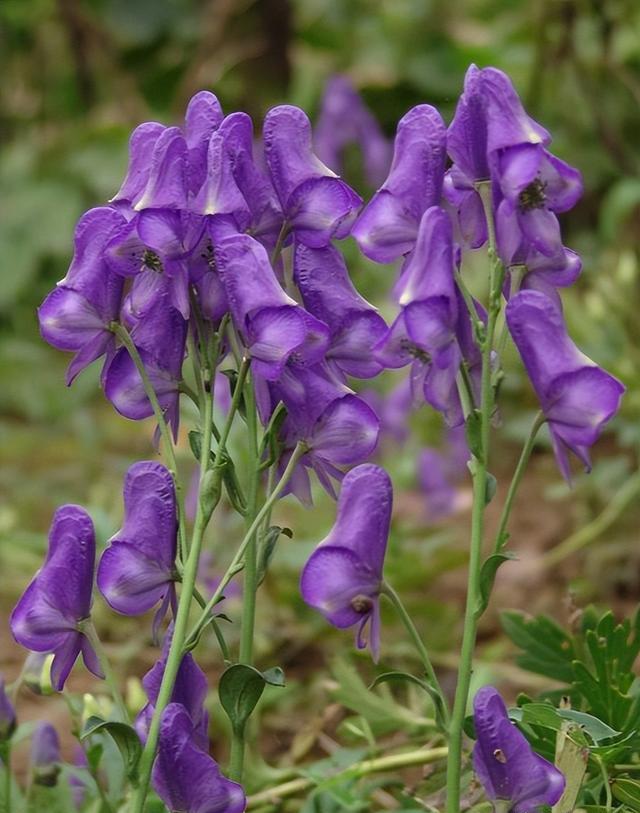
Aconitum heterophyllum seed

Aconitum heterophyllum: The Non-Toxic Himalayan Aconite with Timeless Medicinal and Ecological Value
During a trek in the Kumaon Himalayas a few years ago, at an altitude of around 3,000 meters, I spotted a cluster of delicate herbs growing amid rocky slopes and alpine meadows. Their stems were erect, slightly hairy, and topped with pale blue, helmet-shaped flowers that stood out against the green, variable leaves—some oval, some deeply lobed, almost fern-like. A local guide noticed my curiosity and told me, “That’s Ativisha, the gentle one in the aconite family—unlike its toxic cousins, it’s a healer, not a hazard.” That plant was Aconitum heterophyllum, commonly known as Indian atees or Ativisha, a perennial herb endemic to the Himalayan sub-alpine and alpine zones, cherished for centuries in traditional medicine and vital to the fragile mountain ecosystems it calls home. Over subsequent visits to the region, I’ve learned to appreciate its unique place—both as a revered medicinal plant and a quiet guardian of the high mountains.
First, let’s understand what makes Aconitum heterophyllum stand out, especially among its infamous genus. Belonging to the Ranunculaceae family, this herb is a rarity: unlike most other Aconitum species, which are highly toxic due to the presence of aconitine, Aconitum heterophyllum is naturally non-toxic, making it the only safe member of its genus. It grows 30 to 60 centimeters tall, with thick, tapering tuberous roots that are brown on the outside and white inside—these roots are the heart of its medicinal value, breaking easily and tasting intensely bitter. The plant’s name “heterophyllum” refers to its variable leaves, a distinctive trait that sets it apart from other aconites; the lower leaves are broader and lobed, while the upper ones are narrower and more slender. It blooms in mid-summer, with pale blue or yellowish flowers clustered at the top of the stem, and by late autumn, it produces follicle fruits containing small, dark seeds that disperse with the mountain winds. It thrives in moist, humus-rich, sandy loam and acidic soils, clinging to slopes between 2,500 and 4,000 meters in regions like Jammu & Kashmir, Himachal Pradesh, Uttarakhand, as well as parts of Pakistan and Nepal.
The most profound and well-documented use of Aconitum heterophyllum is in traditional medicine, particularly Ayurveda, Unani, and Tibetan medicine. For millennia, its dried tuberous roots have been a cornerstone of herbal formulations, valued for their bitter taste and cooling potency. In Ayurvedic texts like the Charaka Samhita and Ashtanga Hridaya, it’s praised as a potent febrifuge (fever reducer), digestive aid, and anti-inflammatory agent, used to treat jwara (fevers), ati sara (diarrhea), and krimi (intestinal worms). Local healers in the Himalayas use it to alleviate dysentery, indigestion, coughs, colds, colic, headaches, and even piles and hysteria; fresh leaves are crushed and applied to relieve toothache, while the root powder is mixed with honey to soothe infant colic—a practice passed down through generations in Kumaon and Garhwal communities. It’s also used to check excessive menstrual flow and treat poisoning from scorpion or snake bites, showcasing its versatility as a traditional remedy. Modern research has confirmed many of these uses, identifying bioactive compounds like atisine, heteratisine, flavonoids, and tannins that exhibit anti-inflammatory, antimicrobial, antipyretic, and even mild anticancer properties, though it’s not widely used in Western medicine today.
While its medicinal value takes center stage, Aconitum heterophyllum also plays a quiet but crucial ecological role in the Himalayan alpine ecosystems. As a native herb adapted to harsh mountain conditions—freezing winters, strong winds, and thin, nutrient-poor soils—it acts as a pioneer species, colonizing disturbed areas and helping stabilize rocky slopes. Its root system, though not overly deep, helps bind loose soil, reducing erosion and preventing water loss in the fragile alpine watersheds. The plant’s flowers are a source of nectar for local pollinators like bees and butterflies, which are essential for the reproduction of other alpine plants. Its leaves and stems also provide food for small mountain insects and grazing animals, supporting the delicate food chain of the high mountains. Unlike invasive species, it fits seamlessly into the local ecosystem, contributing to the biodiversity that makes the Himalayas so unique.
Beyond medicine and ecology, Aconitum heterophyllum has a few practical uses rooted in local culture. The dried roots are sometimes ground into a powder and used as a natural astringent in traditional textiles, though this is less common than its medicinal applications. In some Himalayan communities, the plant’s fibers are used to make small, durable crafts, though its primary value remains in healing. It’s also a plant of cultural significance: many local communities consider it a sacred herb, associated with healing and protection, and it’s often included in traditional rituals and offerings.
Growing Aconitum heterophyllum is challenging, as it requires conditions that mimic its natural Himalayan habitat—cool temperatures, full to partial sun, and well-drained, humus-rich, acidic soil. It’s not a plant for casual gardeners; it thrives in regions with cold winters and mild summers, and it cannot tolerate heat, humidity, or waterlogged soil, which causes root rot. The roots are best harvested in autumn, as soon as the plant dies back, then dried in a cool, dark place for later use. Propagation is typically done through seeds or root divisions, though seeds have low germination rates and require stratification (a period of cold treatment) to sprout. It’s also important to note that while the plant itself is non-toxic, it can be easily confused with other toxic Aconitum species, so proper identification is critical before harvesting or using it medicinally. Even with its non-toxic nature, self-medication is not recommended—always consult a qualified herbalist or traditional healer, as improper dosage can cause constipation or stomach irritation.
Perhaps the most pressing concern surrounding Aconitum heterophyllum today is its conservation status. Classified as endangered on the IUCN Red List, its wild populations are under threat from over-harvesting for medicinal use, habitat degradation due to human activities like trekking and grazing, and climate change-driven range contraction. For centuries, local communities harvested it sustainably, but increased demand for herbal remedies has led to unsustainable collection, depleting wild stocks. Many organizations and local groups are now working to promote sustainable cultivation, teaching farmers to grow the herb in controlled environments to reduce pressure on wild populations. I’ve seen small community gardens in Uttarakhand dedicated to growing Aconitum heterophyllum, preserving both the plant and the traditional knowledge associated with it.
To me, Aconitum heterophyllum is more than just a medicinal herb—it’s a symbol of the Himalayas’ resilience and the wisdom of traditional healing. It’s a plant that defies the stereotypes of its genus, proving that not all aconites are toxic, and that nature’s most valuable remedies are often found in the harshest environments. Every time I see its delicate blue flowers on a mountain slope, I’m reminded of the balance between human need and ecological preservation. It’s a plant that has sustained communities for millennia, offering healing and sustenance, and it deserves our protection. As we continue to explore and value traditional medicine, we must also ensure that plants like Aconitum heterophyllum are conserved, so that their benefits can be enjoyed by future generations. It’s a gentle healer, a quiet guardian of the mountains, and a testament to the power of nature’s adaptability and generosity.