Rare plant seeds, roots, stems, leaves flowers scientific research, biotechnology,

Mimosa tenuiflora seed

Mimosa tenuiflora seed

LATIN NAME: MIMOSA TENUIFLORA

COMMON NAME: Tepescohuite

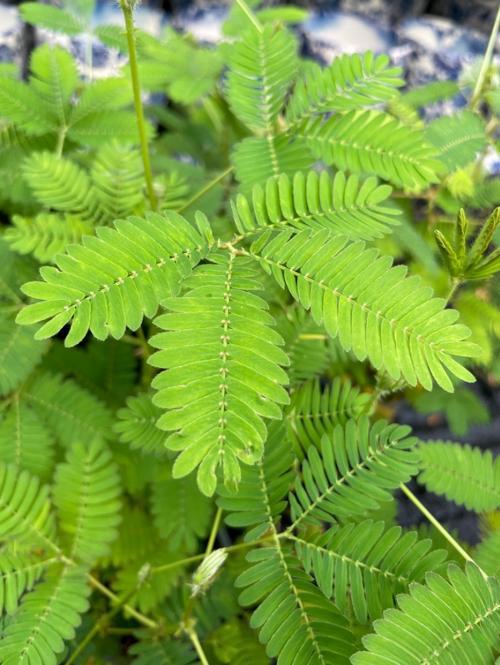
In the thorn-scrub of the dry tropics of the Americas, the tepescohuite grows as a small, spiny, deciduous tree with the feathery, fern-like, twice-divided leaves that fold closed in the evening and the crowded spikes of small, cream-white, fragrant flowers that open through the dry season, the flat, jointed pods following. The plant steadily develops a rounded crown, often reaching 5-10 metres. It is a tree of the full sun and the free-draining ground.

Scientific Research & Plant Biotechnology

The tepescohuite holds a long place in the studies of the dry-tropical legume trees, the folding leaves and the crowded flower spikes keeping it in view in the work on the traditional bark preparations of the Americas and the nitrogen-fixing trees of the arid lands. The research looks at the way the feathery leaves close to the night, the jointed pods break into their one-seeded joints, and the seed biology of the hard, glossy seeds.

Ecological & Economic Value & Wide Applications

In the dry landscapes of the tropics, the tepescohuite shades the thin ground with the open, feathery crown and feeds the soil with the nitrogen of its roots. The fragrant spikes draw the bees and the moths, the bark has a long history in the herbal traditions of the region, and the tree makes the fine dryland tree, the soil builder and the warm-climate specimen. It is a tree that thrives where the ground is lean and the sun is fierce.

To grow the Tepescohuite from seed, pour hot water over the seeds and let them cool before sowing them in pots of sandy compost.

Pour hot water over the seeds and let them cool before sowing them in pots of sandy compost, and keep the young trees in the open, sunny spot. The feathery leaves open through the warm season.


LATIN NAME: Mimosa tenuiflora

COMMON NAME: Jurema, Calumbi, Tepezcohuite, Carbonal

The jurema is a tough and generous tree of the dry lands, and it has served the people of the Americas for centuries. The young plant grows into a rosette of leaves, to about sixty centimetres. It is a plant of remarkable toughness, thriving in the poor, dry, stony soils of northeastern Brazil and beyond, and it is famous for its healing bark, which has long been used in traditional medicine and, in modern times, in skin-care products. It is also a superb soil-improver, fixing nitrogen and holding the eroding land.

The jurema belongs to the pea family, Fabaceae, and it is native to northeastern Brazil, found as far north as southern Mexico, and also in El Salvador, Honduras, Panama, Colombia and Venezuela. It is most often found at lower altitudes, in the dry, thorny scrub of the region.

Positive & Encouraging Seed Germination Guide

Growing a jurema from seed is easy and very rewarding. The seeds sit inside the long, flat pods, and they have a hard coat, so soak them in hot water overnight, or nick them gently, before sowing. Sow them in pots of free-draining compost, about a centimetre deep, and keep them warm, bright and lightly moist. Germination usually begins within one to three weeks. Pot the seedlings on as they grow and plant them out in a sunny, well-drained spot, since they thrive in hot, dry conditions and hate waterlogging. A seed-raised jurema will grow quickly into a tough, feathery, flowering tree.

Scientific Research & Plant Biotechnology

The jurema has a genuine and growing place in both ecological and medicinal research. As a native of the dry, eroding lands of northeastern Brazil, it has been studied in ecological research for its remarkable value in restoring degraded land, since it fixes nitrogen, holds the soil and provides shelter, and researchers have examined its use in soil restoration and its role in the dry forests of the region. The tree is also famous for the traditional use of its bark in healing, and researchers have studied the chemistry of the bark, identifying a range of bioactive compounds and examining their traditional use in wound healing and skin care, which has led to the use of the bark in modern cosmetic products. The species has also been studied in forestry and horticulture for its cultivation and its toughness. For a tree of such healing tradition and such ecological value, the jurema has a rich and growing record of research.

Ecological & Economic Value & Wide Applications

Ecologically, the jurema is a hero of the dry lands. Its fragrant flowers feed bees and other pollinators, its seeds feed birds and small mammals, and its nitrogen-fixing roots and deep, tough growth hold the eroding soil, helping to restore degraded land.

Its economic value is real and growing. The bark has a long history of use in traditional medicine, and it is now used in modern skin-care products, while the tree is also valuable for land restoration, as forage and as firewood in the dry regions where it grows. For a grower, the jurema is a valuable and fascinating tree, and for a gardener it brings feathery foliage, fragrant flowers and a tree with a deep tradition of healing.

Mimosa tenuiflora, also widely referenced under its former botanical name Mimosa hostilis, is a hardy woody shrub‑small tree originating from dry tropical zones across Central and South America. Gardeners keep this species for ornamental container planting, admiring its fine, feather‑structured foliage and soft rounded white flower clusters that appear through the warm summer months. When kept in pots, its natural size stays compact, making it suitable for patio, conservatory and bright indoor growing spaces, even in regions where outdoor winter frost occurs.

Beyond ornamental value, the plant holds long‑standing ethnobotanical relevance. Its bark material has found historical use within traditional regional care practices, and selected cosmetic formulations incorporate bark extracts for skin‑supporting properties. As a drought‑tolerant legume, it also improves soil quality by fixing atmospheric nitrogen, bringing benefits to surrounding growing substrates when cultivated in mixed planting arrangements.

Starting plants from seed brings multiple practical advantages. Seed‑raised specimens develop strong, resilient taproot systems that support long‑term container performance. Seed stock maintains good viability in cool dry storage, so planned sowing can happen across multiple growing seasons. Early growth proceeds quickly once germination completes, and seed‑grown plants adapt well to pot‑bound conditions with regular seasonal repotting. Fresh seed lots deliver consistent genetic diversity, producing healthy ornamental shrubs well‑suited for decorative container displays.

Sowing Mimosa tenuiflora seeds follows a distinct process tailored to its tough, water‑resistant seed coat. Light mechanical scarification prepares each seed; gentle filing on one side creates a small break in the outer shell without damaging inner seed tissue. After scarification, place seeds into pre‑boiled water that has been allowed to cool down, and leave them submerged for 18‑24 hours. Fully viable seeds swell noticeably as moisture penetrates inward.

Fill individual pots with grit‑heavy, sharply draining potting medium, blended with coarse sand and perlite to avoid water stagnation around developing roots. Set each swollen seed roughly 6‑8 mm beneath the substrate surface and cover loosely. Lightly moisten the growing medium, then position pots in warm bright conditions, maintaining steady temperatures between 22‑28°C. A loose clear cover over each pot preserves ambient humidity, while brief daily ventilation prevents excess mould buildup.

Healthy sprouting unfolds steadily. Vigorous seedlings push upward within two to four weeks, sending out the first set of delicate compound leaves. Once young shoots break through the soil surface, remove the clear covering. Move pots to full direct sunlight to sustain sturdy seedling development. Water moderately, letting the upper layer of growing mix dry between watering cycles. Young potted plants establish rapidly, building attractive leafy structure that develops toward flowering as seasons progress. With consistent bright light and careful watering, seed‑started specimens thrive as long‑term ornamental container plants.

Prev:
Next: