


Thermopsis Seeds | Golden Banner
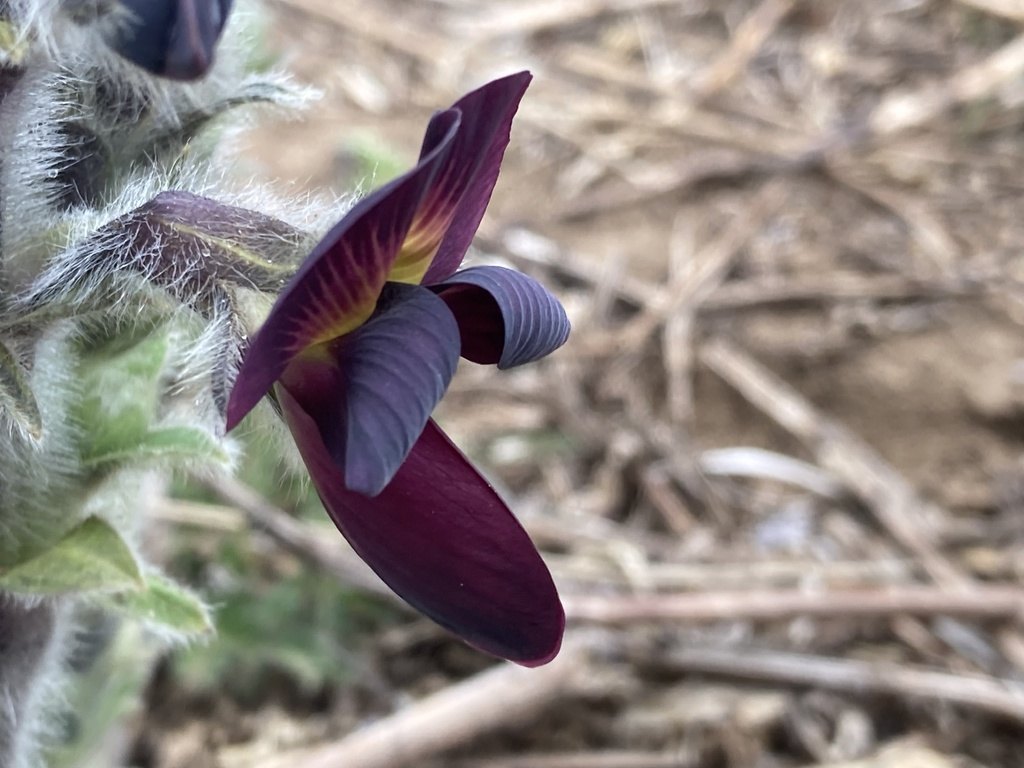
LATIN NAME: Thermopsis
COMMON NAME: Golden Banner
Plant Profile
Thermopsis is a genus of about twenty-five lupin-like legumes, distributed in two disjunct blocks: western North America and east Asia. The yellow pea flowers and the clover-like leaves make them look like lupins, and the common name goldenbanner describes the effect. They are tough, early and poisonous, which is an awkward combination for a garden plant.
The plants are rhizomatous perennials with erect stems forty to a hundred centimetres tall and palmately trifoliolate leaves. The flowers are borne in terminal racemes, yellow and pea-shaped, in late spring and early summer. The pod is flat, straight and hairy, and it turns black as it dries. The whole plant dies back to the rhizome in autumn.
Thermopsis rhombifolia, the prairie goldenbanner, grows from the Great Plains to the Rockies on dry grassland. Thermopsis lanceolata and T. lupinoides come from Siberia, Mongolia and northern China, and both are in the seed trade. They occupy open ground, road verges and steppe, in sun and in soil that drains. None of them wants shade or wet.
The name means lupin-like, from the Greek for lupin and appearance, and it was published by Robert Brown in 1811. The genus is close to Baptisia, the false indigos of eastern North America, and the two are separated by details of the calyx and the pod. They hybridise rarely, and the genetics of the group is still being untangled. Alongside it in Fabaceae: Thermopsis lanceolata, Lupinus bicolor and Securigera varia.
Science & Biotechnology
The genus is defended by quinolizidine alkaloids, and the profile is the reason it is not grazed. Thermopsine and cytisine are the main compounds, and cytisine is the active principle of laburnum, with the same action on nicotinic receptors. Cattle and horses that eat goldenbanner stagger, convulse and sometimes die. Sheep are more tolerant and still affected.
Cytisine has been used as a smoking cessation drug, in the same way as nicotine, and the pharmacology is well studied. That does not make the plant safe to handle as a remedy. The margin between a therapeutic dose and a toxic one is narrow, and the alkaloid content varies with season and site. It is a laboratory compound, not a garden medicine.
Like most legumes, it fixes nitrogen through rhizobia, and it does so with the same broad group that nodulates lupins and clovers. The rhizome allows it to survive fire and grazing, and to spread into disturbed ground. In the prairie it ranks among the first plants to flower, so it is conspicuous in a landscape that is still brown.
Uses & Benefits
In the garden it is grown for early yellow, at a season when yellow is scarce and the border is still filling. It is a plant for a wild corner, a meadow strip or a dry bank, where its spreading habit is an asset rather than a nuisance. It is not a plant for a tight border, because the rhizome travels and the foliage collapses in July.
It is also a nitrogen fixer and a plant for poor ground, and it will grow where little else will, including on gravel and on mine spoil. That makes it useful in reclamation and in rough grass. It is not a lawn plant, and it is not palatable to stock, which is a disadvantage on grazing land and an advantage elsewhere.
The toxicity is the main caution. Do not plant it where children or livestock have access, and do not use it as a herbal tea under any circumstances. The seeds are the most dangerous part and they are produced freely. Wear gloves when handling seed, and wash hands afterwards. That is not excessive caution for this genus.
Growing from Seed
Seed needs scarification. Nick the coat with a file or pour near-boiling water over it and leave it to soak for a day. Sow at eighteen to twenty degrees in a free-draining mix, and expect germination in two to four weeks. Fresh seed germinates better than stored, and untreated seed may wait a year. Sow in autumn for natural stratification.
Transplant young plants, because the rhizome resents disturbance once established, and plant them in full sun in poor, gritty soil. Space them forty centimetres apart. Water in and then leave them; they are drought-tolerant and dislike wet. They will spread, so sink a barrier or site them where spreading is acceptable.
Divide established clumps in early spring, when the shoots appear, and replant the vigorous pieces. Cut the stems to the ground after flowering if the foliage collapses, and remove the seed pods before they open if you do not want seedlings. The plant is long-lived and needs no feeding, and rich soil makes it floppy.
Our Take
Goldenbanner is a plant with a narrow use and a real one: early yellow on poor dry ground, from a perennial that will not need watering or feeding and will fix its own nitrogen. It also happens to be toxic, which limits where it can go. Neither fact cancels the other, and both should be on the label.
Grow it on a bank or in rough grass, scarify the seed, and keep it away from stock and children. It is not a plant for a manicured border and it does not pretend to be. What it offers is a week of yellow in May on ground where nothing else would grow.
Related Reading
If Golden Banner appeals to you, these related plants are worth a look: