


Matricaria recutita Seeds | German Chamomile
LATIN NAME: Matricaria recutita
COMMON NAME: German Chamomile
Plant Profile
The most remarkable thing about German chamomile is that its famous deep-blue oil does not exist in the living plant. The blue pigment, chamazulene, is born during steam distillation when a colourless, bitter precursor called matricin breaks down under heat. Raw flower heads are cream-coloured; only the distilled oil glows cobalt. This thermal transformation is the chemical signature that sets chamomile apart from nearly every other aromatic herb.
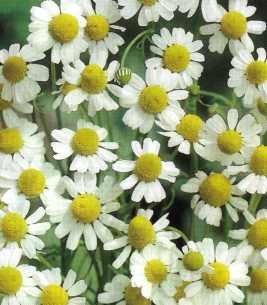
Matricaria recutita is a slender, nearly hairless annual with finely divided, feathery leaves and solitary daisy-like capitula. Each head carries white ray florets around a dome of yellow tubular disc florets borne on a hollow, scaleless receptacle, the “chaffy” cone that distinguishes it from Roman chamomile (Chamaemelum nobile), which has a solid receptacle and is perennial. The plant is diploid at 2n = 18, and the disc florets are where the oil accumulates.
Native to Europe and western Asia, German chamomile now follows disturbed ground across continents and is a familiar sight in field margins. Its close wild relative, pineapple weed (Matricaria discoidea), shares the chamomile scent and the chamazulene chemistry. Historically the dried flower heads were already a household tea in medieval Europe, valued for calming the stomach and easing sleep.
In folk skin care, cooled chamomile infusion is used as a wash for sensitive or reddened skin, and the bisabolol content is why formulators choose the extract for baby and after-sun products. The gentle action makes it a common ingredient where a soothing, low-irritancy botanical is wanted, and the same calm profile underlies its long use in eye compresses.
Science & Biotechnology
Beyond chamazulene, the flower holds alpha-bisabolol, also called levomenol, the main anti-inflammatory constituent, along with bisabolol oxides and flavonoids such as apigenin. The naturally occurring form is (-)-alpha-bisabolol, and breeding programs have selected high-bisabolol lines because that enantiomer is the one prized in cosmetics and skin care. Steam distillation yields the classic blue oil, whereas low-temperature CO2 extraction captures more of the delicate bisabolol fraction with less thermal conversion.
Lab groups have grown chamomile cell suspensions and hairy roots to study how matricin and bisabolol are produced, aiming to stabilise chemotypes for industry. Pharmacological literature documents the anti-inflammatory and mild antispasmodic actions of the flower extracts, supporting their traditional use in topical and digestive preparations.
Uses & Benefits
Commercial chamomile oil is produced at scale in Egypt, Argentina, and parts of eastern Europe, where the warm, open fields suit the annual. The distilled product is traded as “blue chamomile” oil and valued by the cosmetics industry for its high alpha-bisabolol content. Dried flower heads for tea are graded by the proportion of disc florets and by screen size, and careful drying in shade preserves both the colour and the volatile fraction that gives the tisane its apple-like scent.
The best-known use is chamomile tea, a tisane of dried flower heads taken for relaxation and gentle digestion. The heads are best harvested when the disc florets are fully open and then dried quickly in shade so the blue oil and the apple-like scent survive. A spoonful of dried flower per cup, steeped but not boiled, gives the classic cup; the same heads flavour herb pillows and many commercial soothing blends, and a later cutting in the season provides a second, smaller harvest. In personal care the oil and extracts appear in creams, shampoos, and baby products for their soothing, anti-irritant quality. In the field the plant is a nectar source for beneficial insects, and its daisy heads brighten a cottage-garden edge.
Growing from Seed
Chamomile likes a light, sandy, well-drained soil in full sun and accepts poor ground better than rich, heavy earth. Sow the seed on the surface and press it in, since light helps it begin, then thin seedlings to 15 to 20 cm apart once they show two true leaves. Keep rows about 25 cm apart.
Water evenly but avoid soggy soil, and cut the flower heads when the yellow discs are fully open for the best oil content. As an annual it ripens and sheds seed readily, often volunteering the next season. Watch for aphids on the buds and for powdery mildew in humid, crowded beds; good spacing and crop rotation keep the plants clean.
Our Take
I dry the heads on a screen in shade so the blue oils stay intact, and a patch of Roman chamomile beside it makes a living lawn of scent. Other gentle bedfellows include hyssop, lemon balm, and English lavender.
Related Reading
Gardeners who grow German Chamomile often pair it with these related subjects: