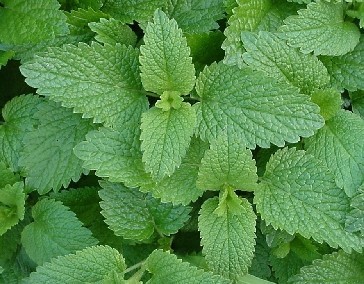
Lemon Balm Melissa officinalis seed
.jpg)
LATIN NAME: MELISSA OFFICINALIS COMMON NAME: Lemon Balm, Balm Mint, Sweet Balm
Melissa officinalis, commonly known as Lemon Balm, is a bushy herbaceous perennial member of the Lamiaceae family, native to the Mediterranean region and western Asia. The genus name Melissa derives from the Greek word for honeybee, reflecting the plant’s strong attraction to pollinators. It forms upright, branching stems reaching heights of 30 to 80 centimetres. The opposite, ovate, lightly wrinkled leaves carry a distinct bright lemon scent when gently bruised. Small, creamy white to pale yellow tubular flowers appear in loose clusters within leaf axils from early to mid-summer. This herb has a long-standing reputation in European traditional herbal practice. It grows readily in temperate climates and spreads moderately by self-seeding, without aggressive invasive rhizome growth. The species maintains stable wild populations and faces no significant conservation concerns.
Growing Melissa officinalis from seed brings satisfying results for herb gardeners. Seeds do not require cold stratification. Sow seeds thinly onto the surface of fine, moist, humus-rich and well-drained growing medium; avoid deep sowing, as light improves germination rates. Maintain temperatures around 18‑22°C and keep substrate evenly moist without waterlogging. Seedlings usually emerge within 10‑21 days. Once seedlings develop two to three sets of true leaves, gently separate them and move into individual pots with good airflow. Transplant young plants into full sun or light partial shade with fertile, well-drained soil, spacing plants roughly 30 centimetres apart. Consistent moderate watering supports steady leaf growth. Regular trimming encourages bushier growth and limits unwanted self-seeding. Seed-grown plants develop quickly and can be harvested for fresh leaves within the first growing season. Every viable seed planted rewards growers with a fragrant perennial suitable for herb gardens and pollinator-friendly plantings.
SCIENTIFIC RESEARCH & PLANT BIOTECHNOLOGY Melissa officinalis is a well-studied medicinal aromatic herb within phytochemistry, neuroscience and natural product research. Its leaf material contains rosmarinic acid, caffeic acid, flavonoids, triterpenes and a delicate volatile essential oil composed mainly of citral, citronellal and geraniol. Modern pharmacological studies document antioxidant, anxiolytic, antimicrobial, anti-inflammatory and mood-supporting biological properties, supporting many of its traditional uses. Agronomic research explores sunlight exposure, irrigation and harvest timing to maximise phenolic compound and essential oil accumulation. Plant biotechnology investigations examine in vitro micropropagation techniques, stress response pathways and metabolite biosynthesis to improve crop quality for commercial production. Taxonomic studies distinguish Melissa officinalis from visually similar mint relatives within the Lamiaceae family. Research also evaluates pollinator interactions and volatile organic compound release under different growing conditions.
ECOLOGICAL & ECONOMIC VALUE & WIDE APPLICATIONS Medicinal & Traditional Herbal Uses: Fresh and dried leaf material has been used for centuries in European herbal traditions to support calm mood, ease mild nervous tension and soothe digestive discomfort. Leaf infusions are widely consumed as a gentle herbal tea. Important safety note: Individuals taking thyroid medication should seek professional advice before regular use. Topical application of concentrated extracts may cause skin sensitivity in some people.
Conservation & Ecological Value: Wild and cultivated Lemon Balm produces abundant nectar, attracting honeybees, solitary bees and beneficial pollinators to garden and meadow habitats. Its dense foliage provides light shelter for small beneficial insects. This species is widely cultivated, and naturalised populations are secure across its suitable climate range.
Herb Garden & Landscape Uses: This compact aromatic perennial suits herb gardens, mixed border plantings, pollinator gardens and large container cultivation. It prefers partial shade in warmer regions and full sun in cooler climates. Regular trimming prevents excessive self-seeding and encourages fresh leafy growth.
Commercial & Farm Production Uses: Commercial farms grow Melissa officinalis to supply dried herb for herbal tea blends, dietary supplements, aromatherapy and cosmetic formulations. It is a staple crop for small-scale organic herb producers, with multiple harvests of fresh leaves possible each growing season.
Research Value: The species acts as a valuable research subject for studying phenolic acid biosynthesis, plant volatile chemistry, antioxidant activity and the biological effects of plant-derived compounds on human nervous system function.