


Mentha x piperita Seeds | Peppermint
LATIN NAME: Mentha x piperita
COMMON NAME: Peppermint, Mentha piperita
Plant Profile
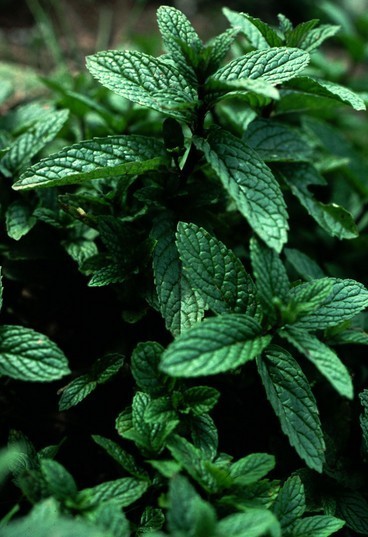
Mentha x piperita is a rhizomatous perennial with the square stem of the mint family, reaching 30 to 90 cm. The opposite leaves are oval and pointed, with sharply toothed edges, and dark green often flushed purple along the veins. Terminal spikes of lilac-pink, two-lipped flowers open in late summer, but because the plant is sterile the seed heads stay empty.
Steam-distilled flowering tops yield peppermint oil dominated by menthol, the alcohol that triggers the cold receptor in skin and mouth, with menthone, menthyl acetate, limonene, and 1,8-cineole in support. The precise menthol-to-menthone ratio marks an oil’s quality grade and is the target of both breeding and distillation control.
A few fresh leaves steeped in hot water make the familiar tisane; bruise the leaf to release oil. Peppermint pairs with chocolate, lamb, and pea, and a chiffonade brightens a summer salad.
Planted at the edge of a vegetable plot, peppermint masks the smell of brassicas from pests and draws bees; contain it in a sunken pot or a bed edged with stone to stop the runners.
A handful of crushed leaf steeped in a jug of cold water makes a refreshing summer drink, and the scent left on the hands after handling the plant is its own small reward through a hot afternoon.
When rooted runners reach 15 to 20 cm, thin crowded shoots so each stand has room to breathe; cut whole stems to the base rather than pinching, which keeps the oil-bearing leaf mass high.
Cut the tops back hard after the main summer flush to force tender new growth, and lift a portion of root in autumn to replant or pot for indoor windowsill mint. The crown dies back in hard frost but returns from the rhizome in spring.
Science & Biotechnology
Commercial distillation is steam or hydrodistillation of the cut herb, after which the oil is cooled so that menthol crystallizes as menthol crystals and splits off. Supercritical CO2 extraction is used where a fresher, terpene-rich oil is wanted. Because the plant is sterile, elite chemotypes are held as clones in field gene banks and multiplied by tissue culture to stay true.
Enteric-coated peppermint oil is studied for irritable bowel discomfort, where menthol relaxes smooth muscle in the gut; the research is documented in clinical literature. The same antispasmodic action explains the old use of peppermint tea for digestion.
Uses & Benefits
Peppermint has no wild origin story, because it has no wild parent pair that met naturally and produced it twice. It is a sterile hybrid of watermint, Mentha aquatica, and spearmint, Mentha spicata, and the plant we grow is a triploid that sets no viable seed. Every peppermint hedge, candy, and toothpaste flavor traces back to vegetative clones, runners and cuttings, passed down for centuries. That sterility is also why the flavor is so consistent: a named clone is genetically fixed.
The classic English oil peppermint is the ‘Mitcham’ clone, and its vigorous sport ‘Black Mitcham’, named for the Surrey town that once supplied the world’s perfumers. Modern growers also raise ‘Bulgarian’ and ‘Native’ types selected for oil yield and cold tolerance. The genus name Mentha comes from Minthe, a nymph in Greek myth transformed into the plant.
The oil flavors confectionery, chewing gum, and dental products, and scents shampoos and balms. At home, a bundle of cut stems dried in shade keeps the leaf for winter brewing.
Growing from Seed
Peppermint is distinguished from spearmint by a sharper, cooling bite, menthol, rather than spearmint’s sweet, carvone-led note, and from watermint by its hairless stem and stronger scent. In the garden it spreads by underground stolons, so a single pot can colonize a bed within a season if untended.
Set purchased runners or potted clumps 40 to 60 cm apart in moisture-retentive soil, sinking the pot or a root barrier if you want to confine spread. Peppermint wants sun to partial shade and steady water; a dry crown stalls the canopy.
Our Take
Peppermint is the mint I keep in a pot on principle, because left in open ground it will own the bed. Grow ‘Black Mitcham’ for the strongest oil and cut often to keep it from flowering and running.
Compare with Mentha arvensis, Mentha longifolia, and Spearmint.
Related Reading
More species in the same orbit as Peppermint: