Rare plant seeds, roots, stems, leaves flowers scientific research, biotechnology,

Roman Chamomile Chamaemelum nobile seed

LATIN NAME: Chamaemelum nobile COMMON NAME: Roman Chamomile, Garden Chamomile, English Chamomile

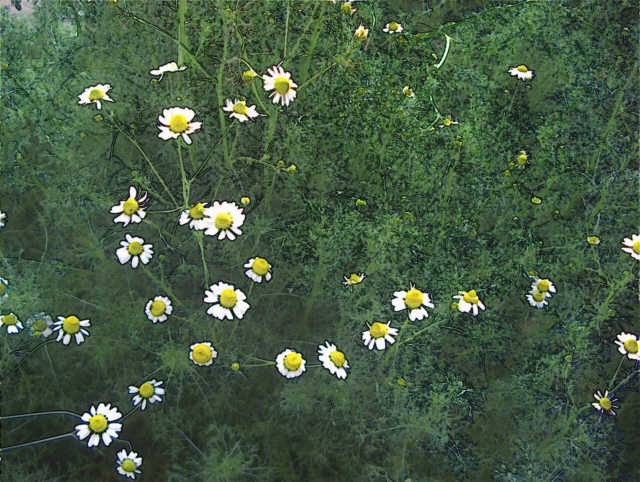
Chamaemelum nobile is a low‑growing perennial herb belonging to the Asteraceae family, well‑known for its gentle apple‑like fragrance, creeping habit and daisy‑like summer blossoms. This mat‑forming herb spreads along the ground by thin rooting stems, creating soft dense green carpets composed of finely divided feathery leaves that release a sweet fruity scent when stepped on or brushed. From early summer onward, numerous upright slender flower stalks rise above the foliage, carrying classic daisy‑shaped blooms with bright white ray petals surrounding prominent golden‑yellow central disks. Plants raised from seed develop extensive shallow creeping root networks, forming thick ground cover that withstands moderate foot traffic. Minor natural variation in flower count and fragrance strength appears among seed‑grown specimens, bringing subtle individuality while keeping all the cherished characteristics of roman chamomile intact. It thrives under full sunlight and prefers light, sandy, well‑drained soil, coping well with poorer ground conditions. Roman chamomile works wonderfully for fragrant lawn substitutes, herb gardens, rockeries, border edges and shallow containers. Every healthy seed carries full genetic potential to develop into a spreading, floriferous perennial that fills growing spaces with soft green texture and delightful seasonal aroma year after year.

Positive & Encouraging Seed Germination Guide

Growing Chamaemelum nobile from seed yields pleasing, dependable results, giving gardeners bright expectations for lush fragrant ground cover and abundant summer flowers. Start indoor sowing six to eight weeks before the last spring frost arrives. Select fine, porous, well‑drained seed starting substrate. Distribute tiny seeds evenly over the surface and press them gently into the mix; ample light strongly promotes germination, so seeds should remain near the surface and not be buried deep under soil. Use careful mist watering to maintain consistent light moisture, avoid standing water which can negatively affect seed performance. Keep seed trays at steady temperatures between 15‑21 degrees Celsius. Seedlings emerge progressively within 14‑24 days, staggered sprouting across the batch is normal and indicates good seed vitality. Once seedlings develop several sets of true leaves, increase air circulation and begin gradual hardening for outdoor conditions. After all risk of frost passes, transplant young plants to sunny prepared sites. Space seedlings appropriately to allow creeping stems to spread and knit together into continuous mats. Young chamomile needs regular light watering while roots take hold. Once fully established, it tolerates dry spells very well. Occasional trimming keeps foliage dense and discourages excessive stem legginess. With simple ongoing care, each sown seed will grow steadily into a robust spreading plant capable of covering large areas over successive growing seasons.

Ecological & Economic Value & Wide Applications

Chamaemelum nobile offers valuable ecological functions combined with diverse horticultural and commercial economic uses. Ecologically, its abundant summer blossoms supply rich pollen and nectar resources for bees, hoverflies and many other beneficial insects. Planting roman chamomile supports local pollinator activity and improves biodiversity within home gardens and open green spaces. Its thick low‑growing foliage acts as living ground cover, reducing surface soil erosion and suppressing unwanted weed germination without chemical treatments. Economically, roman chamomile holds solid market importance within herbal and horticultural industries. Fully opened flower heads are harvested for herbal infusions, dried raw material and aromatic craft supplies. In landscaping, it serves as fragrant ground cover, lawn alternative, border edging material and nursery potted stock for retail sales. It adapts nicely to container growing for balconies and terrace gardens. The plant demands low fertiliser input and shows good resistance to common garden pests, cutting down maintenance labour and costs for private gardens and public landscape projects. Seed‑raised plant material supports small‑scale herbal farming, community gardens and ecological restoration projects on well‑drained sites. Merging ground‑covering practicality, pleasant fragrance, pollinator‑friendly flowering and multi‑purpose harvest potential, Chamaemelum nobile is a versatile perennial for home gardeners, landscape designers and herbal plant cultivators.


Perennial. Traditional ground cover in English gardens and pathways, where it is cut like grass.

Roman Chamomile Chamaemelum nobile seed

Prev:
Next: