


Lavandula angustifolia Seeds | Lady Lavender
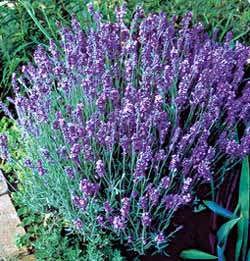
LATIN NAME: Lavandula angustifolia
COMMON NAME: Lady Lavender
Plant Profile
Lady Lavender (Lavandula angustifolia) is a hardy, evergreen shrub in the mint family. The Lady lavender nubs short, blue-violet wands above compact grey-green mound, the whole plant staying in the neat, tidy look of the front border. It is a plant of open, sunny, light, gritty, well-drained ground. These traits together are what have kept the plant in gardens for so long.
Science & Biotechnology
Seed science, comparative botany and horticultural selection all touch on Lavandula angustifolia, a representative of the mint family with clear practical value. It retains a following among breeders and collectors, which keeps seed stocks in circulation.
Uses & Benefits
Lady Lavender brings genuine presence to the garden and earns its keep across the growing season. The Lady lavender is a neat, useful plant of front border and study collection. It is a neat, useful plant of open, sunny, light, gritty, well-drained garden.Sow Lady seeds in a sandy, gritty mix kept barely moist. Routine care after establishment is refreshingly light.
Lavender is aromatherapy’s cornerstone: its essential oil, standardized as the oral preparation Silexan, has clinical-trial support for anxiety, and lavender baths, sachets and teas are among the oldest calming remedies in Europe. It is also one of the great bee plants.
Growing from Seed
Starting Lady Lavender from seed is simple and satisfying. Fill a pot with a light seed compost, sow evenly on the surface, cover thinly and stand it somewhere warm, bright and evenly moist. Prick the seedlings out once they are large enough to handle, grow them on in bright light, and plant out when conditions allow.
Our Take
Within its genus it stands out for garden reliability. Part of this plant’s appeal is the long practical history summarized above. Sun, free drainage and a patient first year are all it really requires.
Related Reading
Gardeners who grow Lady Lavender often pair it with these related subjects: