


Lavandula x intermedia Seeds | Grosso Lavender
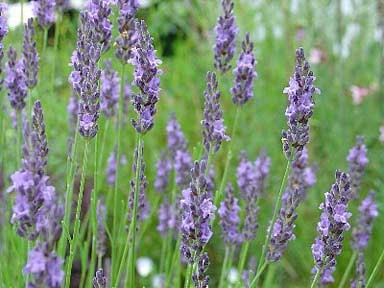
LATIN NAME: Lavandula x intermedia
COMMON NAME: Grosso Lavender
Plant Profile
Grosso lavender is a big, vigorous plant, easily 90 cm across and often taller in flower than the garden expects. It belongs to the lavandins, Lavandula x intermedia, the naturally occurring hybrid between English lavender and spike lavender, and it carries the best features of both parents: long spikes, high oil yield and a wide, grey-leaved frame.
The spikes are broad and dense, with dark violet flowers held on stems well clear of the foliage, opening over three or four weeks in July. Foliage is broader and greyer than English lavender, and the plant is later to start, which usually saves the flowers from a late frost.
The clone was selected in the 1970s in Provence by Pierre Grosso and has been the standard field lavender of that region ever since, planted for oil rather than for garden ornament. It is sterile, which is why the fields are planted from cuttings and why seed from it cannot reproduce the plant.
Science & Biotechnology
The chemistry separates lavandins from English lavender cleanly. Lavandula angustifolia oil is high in linalool and linalyl acetate, the soft floral pair that perfumery prizes. Lavandin oil carries much more camphor and 1,8-cineole, which gives it a sharper, more medicinal top note and roughly three times the yield per hectare.
The hybrid is a chromosome doubling event between a diploid and a tetraploid parent, and it is largely sterile as a result, producing little viable pollen and few seeds. Its vigour, though, is genuine hybrid vigour, which is why lavandins outgrow either parent on poor soil.
A caution for seed buyers: a packet labelled Grosso will give lavandin-type plants, variable in habit and oil, but not the Grosso clone. That is not a defect of the seed trade, it is what a sterile hybrid means, and the same applies to most named lavenders.
Uses & Benefits
Dried bundles are the most familiar use, cut just as the lowest florets open and hung in a dark shed. The oil goes into soaps, cleaning products and cheap fine fragrance, where its camphor cuts through heavier notes. In the garden it makes a dense grey hedge that survives drought and rabbits, and it holds a slope where little else will.
Culinary use is more limited than for English lavender; the camphor is noticeable in a cake. A little of the flowering tip in a herb rub for lamb works, and the flowers can be candied. Beekeepers value the long July flowering, which arrives in the gap between the main flows.
Growing from Seed
Because the plant is sterile, seed is a lottery and cuttings are the only way to keep a named clone. If you are growing from seed, treat it as a lavender population: surface sow on free-draining compost, keep at 18-20°C, and expect two to four weeks, sometimes longer. Four weeks of cold-moist stratification before warmth raises the germination rate considerably.
Plant out in full sun on alkaline, gritty soil, and never in a hollow where water stands. Space at 60 cm, water only in the first summer, and prune immediately after flowering, taking the stems back to within a few centimetres of the old wood but never into bare brown growth, which will not reshoot. Replace plants every eight to ten years, when the bases go woody and the flowering thins.
Our Take
A field lavender rather than a pot lavender, planted where it can spread and cut hard every July. Buy plants or cuttings if you want the true clone; from seed, judge the result on scent and habit rather than on the label.
Related Reading
Gardeners who grow Grosso Lavender often pair it with these related subjects: