


Lavandula angustifolia Seeds | Rosea Lavender
LATIN NAME: Lavandula angustifolia
COMMON NAME: Rosea Lavender
Plant Profile
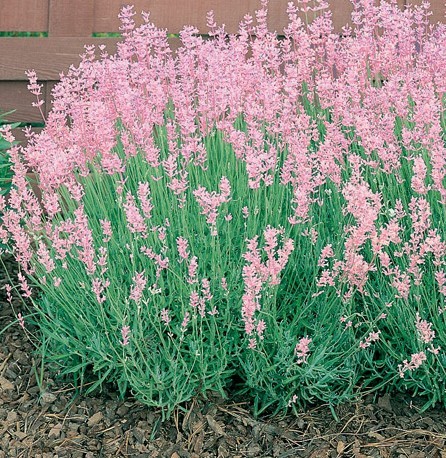
Lavandula angustifolia, commonly known as Rosea Lavender, is a hardy, evergreen shrub in the mint family. The Rosea lavender flushes pink, tubular flowers along slim grey wands, the whole plant standing in the soft, pretty look of the sunny border. It is a plant of open, sunny, light, gritty, well-drained ground. In combination, these characteristics make a persuasive case for growing it.
Science & Biotechnology
Research touching on Lavandula angustifolia ranges from the botany of the mint family to practical horticulture, including seed handling, propagation and the selection of superior forms. Modern propagation practice has made this species straightforward to raise by ordinary good methods.
Uses & Benefits
Rosea Lavender works well in borders, containers and dedicated beds. The Rosea lavender is a soft, useful plant of sunny border and study collection. It is a soft, useful plant of open, sunny, light, gritty, well-drained garden.Sow Rosea seeds in a fine, gritty soil kept barely moist. Once it has its roots down, it more or less looks after itself.
Lavender is aromatherapy’s cornerstone: its essential oil, standardized as the oral preparation Silexan, has clinical-trial support for anxiety, and lavender baths, sachets and teas are among the oldest calming remedies in Europe. It is also one of the great bee plants.
Growing from Seed
Rosea Lavender grows readily from seed. Fill a pot with a light seed compost, sow evenly on the surface, cover thinly and stand it somewhere warm, bright and evenly moist. Once the seedlings have made true leaves, pot them on individually and plant out when they are sturdy and conditions are right.
Our Take
The traditional uses covered above are what first made this species worth cultivating. Few garden plants carry such a documented history of use as this one does. Moisture matters most while plants are young; established plants cope with far more.
Related Reading
Gardeners who grow Rosea Lavender often pair it with these related subjects: