


Althaea officinalis Seeds | Erfurter Marshmallow
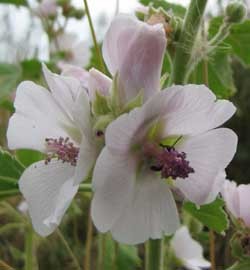
LATIN NAME: Althaea officinalis
COMMON NAME: Marshmallow
Plant Profile
Marshmallow (Althaea officinalis) is a perennial in the mallow family. Marshmallow is a soft, grey-green plant of damp ground, and its name is older than the sweet. The whole plant has a very long record of use in the old practice of the West, and roots have their own long story in kitchens and remedies of old world. It is a plant of open, sunny, moist, well-drained ground. The ratio of effort to reward here is about as good as gardening gets.
Science & Biotechnology
Like other members of the mallow family, Althaea officinalis draws steady attention from botanists and plant breeders, who value the genus both as a subject of research and as a source of garden-worthy material. Marshmallow is a soft, useful figure in plant science, studied for velvety leaves and mucilage of the roots. Breeders and collectors still work with it, so well-kept seed remains available.
Uses & Benefits
Beyond its ornamental appeal, Marshmallow has the practical versatility that makes a plant worth growing from seed year after year. Marshmallow is a soft, generous plant of moist border, with a long record of use. Large, pale-pink or white, cup-shaped flowers open through summer, and the whole plant is a fine, soft presence of the moist border and the wild garden. Roots and leaves have a very long record in old practice of the West, and soft mucilage of roots remains a steady figure of old remedies and herbal work. Establishment is uncomplicated, and afterwards ordinary care suffices.
Marshmallow root is the archetypal soothing herb: its high mucilage content coats irritated throats and digestive linings, a traditional use that European regulators recognize in official herbal monographs. The leaf and flower serve the same gentle purpose.
Growing from Seed
Starting Marshmallow from seed is simple and satisfying. Use a fine, free-draining seed compost, scatter the seed evenly, cover it lightly and hold it just moist in good light. Transplant the sturdiest seedlings to their permanent spots and let them develop without disturbance.
Our Take
Marshmallow is the kind of plant that rewards a permanent spot. It is generous with beginners and their occasional misjudgements.
Related Reading
More species in the same orbit as Marshmallow: