


Eucalyptus bridgesiana Seeds | Apple Gum
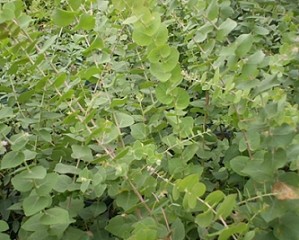
LATIN NAME: Eucalyptus bridgesiana
COMMON NAME: Apple Gum
Plant Profile
Eucalyptus bridgesiana earns its common name from the fruit-like scent released when a leaf is bruised, a sweet apple note that sets it apart from the sharper eucalyptus smell of many relatives. The same foliage carries oil rich in 1,8-cineole, the compound known as eucalyptol, which gives the genus its familiar camphoraceous edge while the apple tone stays in the background of the crush.
The trunk shows a box-gum character: persistent, fibrous, grey bark clings to the lower bole like a box, while the upper branches shed smooth, pale bark in patches, the gum half of the name. This split bark is a field key against the fully smooth mountain ashes and the fully rough stringybarks nearby in the woodland.
Like many eucalypts, the species is heterophyllous. Seedlings and coppice shoots carry round, grey-green juvenile leaves, while mature crowns bear the long, narrow, lance-shaped adult leaves that hang vertically to shed heat. The shift is a useful marker when identifying a young tree in the nursery row.
Clusters of small white blossoms open in axillary umbels through the warm season, followed by the woody, cup-shaped capsules, the gumnuts, that hold the tiny seed. In its native range the tree grows on heavier soils and withstands colder winters than the tropical eucalypts of the north.
Science & Biotechnology
Steam distillation of the leaf yields an oil led by 1,8-cineole, with lesser terpenes. The cineole share is solid though generally lower than in Eucalyptus globulus, and it varies with leaf age and site. Cineole is the molecule behind the oil’s use in inhalants and surface cleaners sold in pharmacies.
Beyond the pharmacy, 1,8-cineole is studied as a natural solvent and as a building block in fine-chemical routes, and the oil enters antiseptic and fragrance lines. Breeders screen trees for cold hardiness and for steady oil yield across the seasons of the plantation.
With the spread of myrtle rust across Australasia, researchers test E. bridgesiana lines for tolerance and select seed sources that keep growing under disease pressure, an active front in eucalypt conservation and forestry science.
Uses & Benefits
In warm-climate gardens the apple gum is planted for its broad, open crown, its dappled shade and its year-round grey-green tone. The flowers feed native bees and birds, and the cut foliage adds a fragrant note to large arrangements and wedding work.
The distilled leaf oil supplies the scent and mild antiseptic trade, while the timber is used locally for posts and fuel. In its homeland the tree is part of box-gum woodland habitat for many birds and declining woodland species.
Growing from Seed
Eucalyptus seed is dust-fine and wants only a light press into a moist, sterile mix, with no deep cover. Hold the tray warm, and move seedlings to small tubes once a few true leaves form and the first stem stands firm in the pot.
Give full sun and a deep, well-drained soil; young trees are frost-tender, so site them clear of cold pockets or grow the first season in a protected spot. Water regularly while small, then reduce as the taproot reaches depth and the crown fills out.
Space trees widely for their mature crown, and prune only to shape a single leader when young. Mature apple gums withstand dry spells and need little input beyond the occasional removal of low, crossing limbs for safety and form.
Beyond the distilled leaf, the apple gum yields a useful pale timber used locally for framing and fuel, and its abundant blossom supports apiaries that prize a mild eucalyptus honey. In restoration plantings it reconnects fragmented box-gum woodland, giving nesting sites to birds that favour hollow-bearing trees as they mature.
Young apple gums grow fast once the weather warms, but the slender seedlings need protection from slug and snail damage and from late cold snaps. Pot them on into a larger tube as the roots reach the wall, and keep the foliage dry to limit seedling damp-off in a humid bench.
Our Take
Apple gum is a tree for the long view, with scent in every leaf.
When comparing apple gum with other eucalypts, note the bark texture and the mature leaf shape as well as the scent. Keep fallen leaves out of a small propagation bench, where their oils can slow the establishment of neighboring seedlings and complicate sanitation.
Related Reading
Readers interested in Apple Gum frequently explore these as well: