Wholesale Plant seeds,Alive roots,Medicinal herbs,medicinal materials.Mass production.

Fragaria moschata seed

Fragaria moschata: The Musk Strawberry’s Unique Uses, Benefits, and Timeless Charm
A few years ago, I inherited a small patch of wild strawberries from my great-aunt’s garden in the countryside of southern France. I’d always grown regular garden strawberries, so I didn’t think much of them—until they bloomed. The flowers were bigger than I expected, with soft white petals and a faint, sweet scent that hung in the air like a gentle perfume. When the berries ripened a few weeks later, I plucked one, and that first bite changed everything. Unlike the plump, sweet-tart strawberries from the grocery store, these were small, deep red, and bursting with a rich, musky aroma—warm, sweet, and slightly floral, like a blend of honey and ripe apricots. That’s when I learned they were Fragaria moschata, commonly called musk strawberries or hautbois strawberries, a forgotten gem of the strawberry world with a long history and surprising versatility.
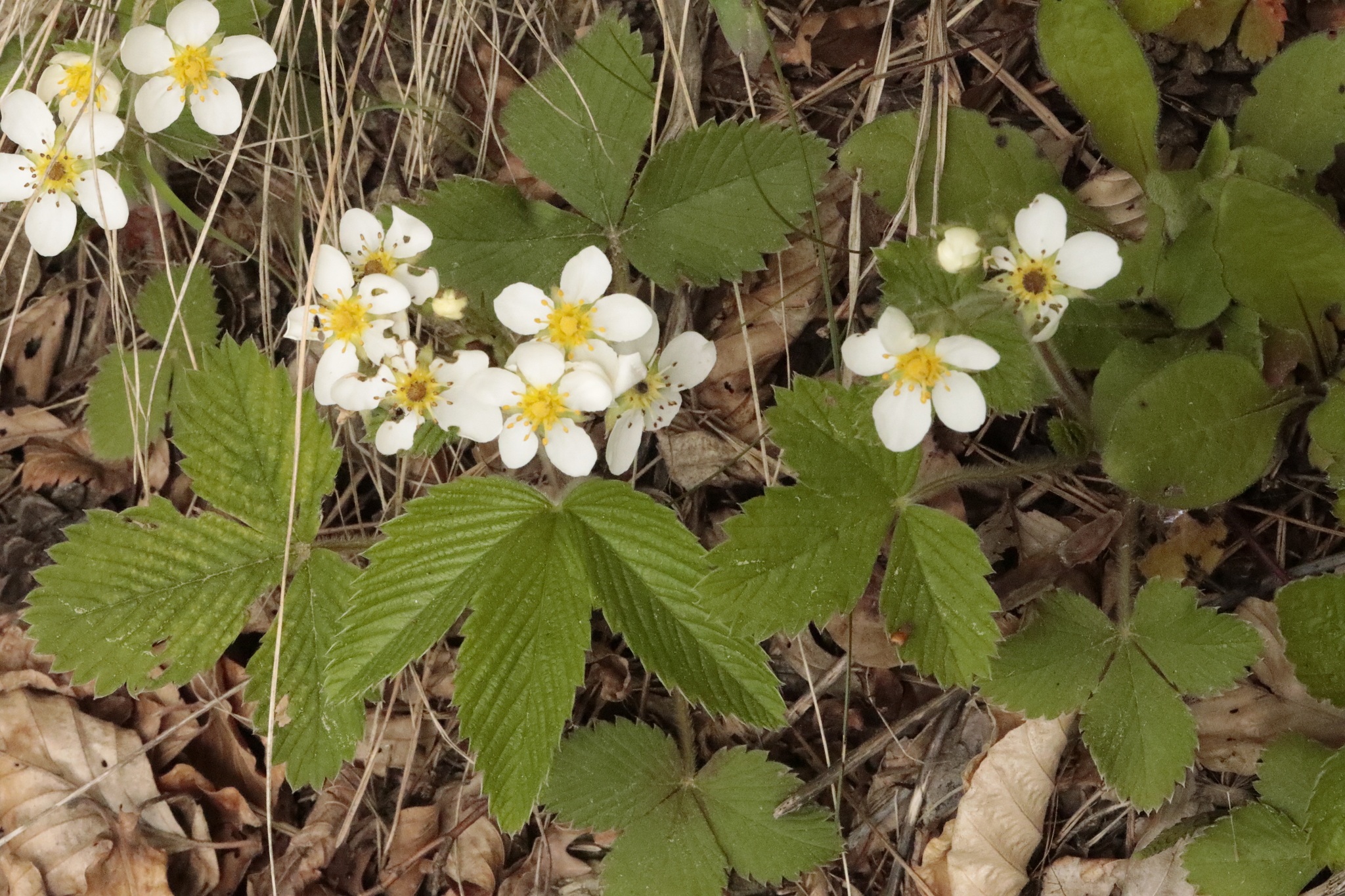
First, let’s get to know Fragaria moschata a little better. Native to Europe—from the British Isles to the Mediterranean and east to Russia—this perennial herb is a member of the rose family, just like regular strawberries, but it’s a distinct species, not a variant. It grows taller than alpine strawberries, reaching up to 1.5 feet tall, with larger, more textured leaves that have a slightly fuzzy surface. The flowers are also bigger, with five white petals and bright yellow centers, and they’re known for their subtle, musky fragrance—hence the name “musk strawberry.” Unlike many modern strawberry varieties, Fragaria moschata isn’t self-fertile, meaning it needs cross-pollination from bees or other insects to produce fruit, which is part of why it’s not as widely cultivated these days. A key planting note here: avoid planting them too close to other strawberry species if you want pure musk strawberry fruit—cross-pollination with regular strawberries can dilute their unique musky flavor.
The star of the show, of course, is the fruit—and it’s unlike any strawberry you’ve ever tasted. Musk strawberries are small, usually about the size of a cherry, with a deep red, slightly elongated shape and tiny yellow seeds that sit on the surface (not embedded like in regular strawberries). Their flavor is the real magic: intense sweetness with a warm, musky undertone that lingers on your tongue, no tartness to balance it out—just pure, rich, fruity goodness. I’ve eaten them fresh off the plant every summer since I inherited that patch, and they’re always a treat. They’re too small to slice into a salad or bake into a pie, but that’s okay—they’re meant to be eaten whole, one by one, savoring every bite. I sometimes sprinkle them over a bowl of vanilla ice cream or stir a handful into a glass of sparkling water for a subtle, fruity twist, but they’re best enjoyed fresh, still warm from the sun. When harvesting, a quick tip: pick berries only when they’re fully ripe—they won’t ripen further once picked, and unripe musk strawberries are bland and starchy.
While the fruit is the main attraction, Fragaria moschata has other uses that make it a valuable plant in any garden. For starters, it’s an excellent ground cover. Unlike regular strawberries, which spread aggressively with runners, musk strawberries spread more gently, forming a dense, low carpet of foliage that helps prevent soil erosion and keeps weeds at bay. I’ve let mine spread along the edge of my flower bed, and it’s become a beautiful, low-maintenance border that looks lush and green all summer long. The leaves are also useful: I’ve dried them a few times to make herbal tea, and while it’s not as fruity as alpine strawberry leaf tea, it has a mild, earthy flavor that’s comforting on a cool evening. Some older gardeners I’ve talked to say they used to crush fresh leaves and apply them to minor burns or insect bites to soothe irritation, though I haven’t tried that myself. A quick care note: if you’re harvesting leaves for tea, pick them in the morning when they’re most tender, and avoid taking more than a third of the leaves from one plant—this ensures the plant stays healthy and keeps producing fruit.
Another wonderful thing about Fragaria moschata is its ornamental value. The large, delicate white flowers bloom from April to July, adding a touch of elegance to any garden, and their musky fragrance makes them a favorite among bees and butterflies. Even when the fruit isn’t ripe, the lush green foliage and pretty flowers make it a lovely addition to woodland gardens, rock gardens, or even container plants. In the fall, the leaves turn a soft golden yellow, adding another pop of color to the garden before winter sets in. I’ve had neighbors stop by just to ask about the “fragrant strawberries” in my yard—they’re a real conversation piece. If planting in containers, choose a pot that’s at least 12 inches deep and wide, and make sure it has drainage holes—musk strawberries hate sitting in wet soil, which can cause root rot.
When it comes to health benefits, musk strawberries hold their own against more common varieties. They’re packed with vitamin C, which boosts the immune system and helps keep skin healthy, and they also contain fiber, which aids digestion and keeps you feeling full longer. They’re naturally sweet, so they’re a great alternative to sugary snacks for kids and adults alike—no added sugar needed. I often pack a small container of them for my hikes; they’re lightweight, easy to carry, and provide a quick energy boost. Unlike some modern strawberry hybrids, Fragaria moschata is a heirloom variety, meaning it’s been grown for centuries without heavy hybridization, so it retains more of its natural nutrients and flavor.
Growing Fragaria moschata is a little trickier than growing regular strawberries, but it’s well worth the effort. They prefer well-drained, loamy soil that’s rich in compost, and they thrive in partial shade—too much sun can make the berries dry out, while too much shade can reduce fruit production. A crucial note: avoid planting them in soil where tomatoes, peppers, or other members of the nightshade family have grown in the past three years—these plants can leave behind diseases that harm strawberries. They’re hardy to UK zone 6, so they can handle cool winters, but they need a little protection from harsh frost (I cover mine with a thin layer of mulch in late fall—straw or pine needles work best, as they keep the soil warm and prevent weeds). Since they’re not self-fertile, you’ll need to plant at least two different plants to ensure cross-pollination, or plant them near other strawberry varieties that bloom at the same time. Watering is another key point: water deeply once a week, focusing on the base of the plant (avoid getting water on the leaves, which can lead to fungal diseases), and reduce watering once the fruit starts to ripen to prevent splitting. They grow at a fast rate once established, and they can produce fruit for up to five years, which is longer than many modern strawberry plants. Also, prune off any dead or yellowing leaves in late summer to keep the plant healthy and encourage new growth for the next season.
I will admit, Fragaria moschata is hard to find these days. You won’t find them in most grocery stores—they’re too small, too delicate to ship, and not as widely cultivated as the big, plump strawberries we’re used to. But that’s part of their charm; they feel like a secret, a hidden treasure that only a few gardeners know about. I’ve even started saving seeds from my plants to grow more each year—they’re easy to save, and it’s fun to watch them grow from tiny seeds to fruitful plants. Some nurseries specialize in heirloom plants, so that’s where I’ve found new plants to add to my patch over the years. A seed-saving tip: let the berries fully ripen, then mash them gently, rinse off the pulp, and let the seeds dry in a cool, dark place for a week before storing them in an airtight container.
To me, Fragaria moschata is more than just a plant—it’s a connection to the past. For centuries, musk strawberries were beloved in Europe, grown in royal gardens and prized for their unique flavor and fragrance before modern hybrids took over. They’re a reminder that sometimes the best things in life are the ones that are a little harder to find, the ones that require a little extra care. Whether I’m eating a handful of fresh, musky berries, admiring their pretty flowers, or using their foliage as ground cover, this plant brings joy to my garden every year. If you ever get the chance to grow or try Fragaria moschata, take it—you’ll be hooked by its timeless charm and unforgettable flavor.
Fragaria moschata seed
Prev:
Next: