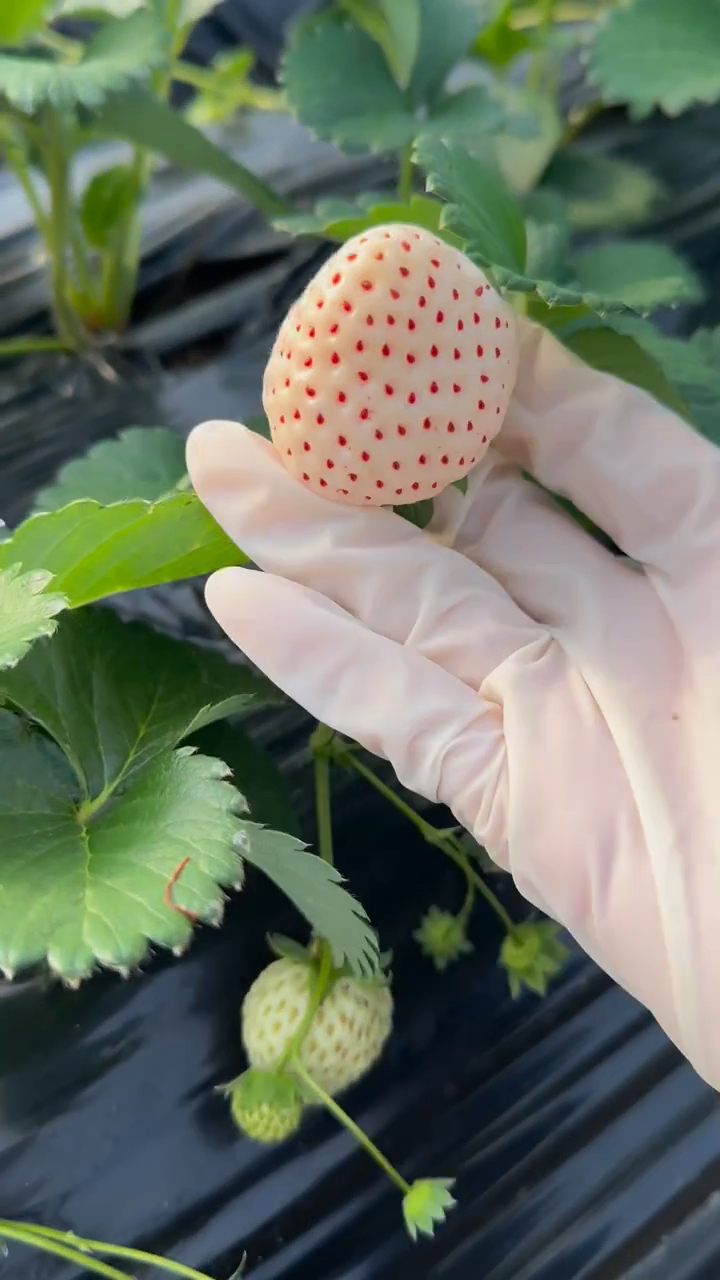
Fragaria Vesca seed white fruit seed
Fragaria vesca White Fruit: Uses, Benefits, and Its Unique Sweet Charm
Last spring, I picked up a small packet of seeds from a local nursery, curious about the label that read “Fragaria vesca White Fruit.” I’d grown regular red alpine strawberries before, but white ones? I had no idea they existed. I planted the seeds in a small container on my windowsill, and by summer, tiny white flowers bloomed—and soon after, the most unusual berries I’d ever seen: small, round, and pure white, with tiny yellow seeds peeking through, like little pearls nestled in green foliage. When I bit into one, I was blown away—sweet, with a distinct pineapple and honey aroma, far more intense than the red alpine strawberries I knew. That’s when I fell in love with Fragaria vesca white fruit, a lesser-known variety of the classic alpine strawberry, and learned just how versatile and useful this little plant can be.
First, let’s clear up what exactly Fragaria vesca white fruit is. It’s not a different species—just a natural variant (or cultivated variety) of Fragaria vesca, the common alpine or woodland strawberry. Unlike the red-fruited versions, this one doesn’t produce anthocyanins, the pigment that gives berries their red, purple, or blue hue—that’s why its fruit stays white, creamy, or even pale yellow when fully ripe. The plant itself looks identical to red alpine strawberries: low-growing, with soft, three-lobed green leaves, delicate white flowers with yellow centers, and a compact, clumping habit that never gets unruly. It’s a perennial, so it comes back year after year, and it’s just as hardy, thriving in cool climates and partial shade—perfect for my little balcony garden that doesn’t get full sun all day.
The most obvious use, of course, is eating the fruit—and it’s truly a treat. These white berries are small, usually no bigger than a thumbnail, but they’re packed with flavor. Unlike red alpine strawberries, which have a slight tartness to balance their sweetness, white Fragaria vesca is pure, unadulterated sweetness, with a subtle tropical twist—some people taste pineapple, others honey, and I swear I detect a hint of vanilla. They’re best eaten fresh, right off the plant; I start picking them in early summer, and they keep producing until the first frost. I’ll pop a handful in my mouth while watering my plants, sprinkle them over Greek yogurt or oatmeal, or toss a few into a summer salad for a pop of color (yes, white counts as a color!) and sweetness. They’re too small for baking big pies or cakes, but they make a lovely garnish for desserts—think panna cotta, shortbread, or even ice cream. I once made a simple jam with them, and it was like spreading summer in a jar—no need for extra sugar because the berries are sweet enough on their own.
What I love most about this plant is that it’s not just the fruit that’s useful—its leaves are a hidden gem, too. My grandma, who’s always been into natural remedies, told me to dry the leaves and make tea, just like she does with red alpine strawberry leaves. I collect the leaves in mid-summer, when they’re bright green and tender, lay them out on a drying rack in a cool, dark place, and once they’re crisp, I store them in a mason jar. The tea has a mild, earthy flavor with a faint fruity undertone—nothing bitter, just gentle and comforting. I drink it when I have an upset stomach or when I’m feeling stressed, and it always helps calm me down. Some people also use fresh leaves as a mild astringent: crush a few leaves, rub the juice on minor cuts or insect bites, and it helps soothe redness and speed up healing. I’ve tried this a few times after getting bitten by mosquitoes, and it really works—no harsh chemicals, just nature’s remedy.
Another great thing about Fragaria vesca white fruit is its ornamental value. Let’s be honest—white strawberries are eye-catching. Their creamy white berries stand out against the bright green leaves, and the delicate white flowers add a touch of elegance to any garden. I have mine planted in a hanging basket, and it’s become a conversation piece; everyone who comes over asks about the “white strawberries.” They’re perfect for small gardens, window boxes, or even rock gardens—they don’t spread like regular strawberries, so they won’t take over your space, and they look beautiful all season long. In the fall, the leaves turn a soft red, adding another pop of color to my balcony.
When it comes to health benefits, these white berries are just as impressive as their red counterparts. They’re loaded with vitamin C, which boosts the immune system and helps keep skin glowing. They also have fiber, which aids digestion and keeps you feeling full longer—great for a healthy snack. Since they’re naturally sweet, they’re a perfect alternative to sugary snacks for kids (and adults!). I often pack a small container of them for my little cousin when she visits; she loves picking them herself and eating them as a treat, and I feel good knowing she’s getting something nutritious. They also contain antioxidants, which help fight free radicals in the body—though they don’t have the anthocyanins of red berries, they still have other beneficial compounds that support overall health.
Growing Fragaria vesca white fruit is surprisingly easy, even if you’re not a seasoned gardener. They prefer partial shade—too much sun can make the berries dry out—and well-drained soil that’s rich in compost. I water mine once a week, and that’s it—no fancy fertilizers or extra care needed. They’re cold-hardy, too; I live in a zone with cold winters, and they come back every spring, stronger and fuller. You can grow them from seed (like I did), but it’s easier to buy young plants from a nursery—they establish faster and start producing berries within a few months. One little trick I learned: birds don’t seem to like white strawberries as much as red ones, so you don’t have to worry about them stealing all your fruit. That’s a huge plus, because I’ve lost countless red strawberries to birds in the past!
I will admit, Fragaria vesca white fruit is a bit harder to find than red alpine strawberries. You won’t find them in most grocery stores—they’re too delicate to ship, and they’re not as widely cultivated. But that’s part of their charm; growing your own means you get to enjoy their unique flavor and beauty. I’ve even started saving seeds from my plants to grow more next year—they’re easy to save, and it’s fun to watch them grow from tiny seeds to fruitful plants.
To me, Fragaria vesca white fruit is more than just a plant—it’s a little reminder that the best things in life are often the most unexpected. I never thought I’d fall in love with a white strawberry, but its sweet flavor, versatile uses, and beautiful appearance have made it a staple in my garden. Whether I’m eating a handful of fresh berries, sipping tea made from its leaves, or admiring its white fruit and flowers, this little plant brings joy to my everyday life. If you ever get the chance to grow or try Fragaria vesca white fruit, take it—you’ll be surprised by how much this unique little berry has to offer.