Wholesale Plant seeds,Alive roots,Medicinal herbs,medicinal materials.Mass production.

Polygonum aubertii seed

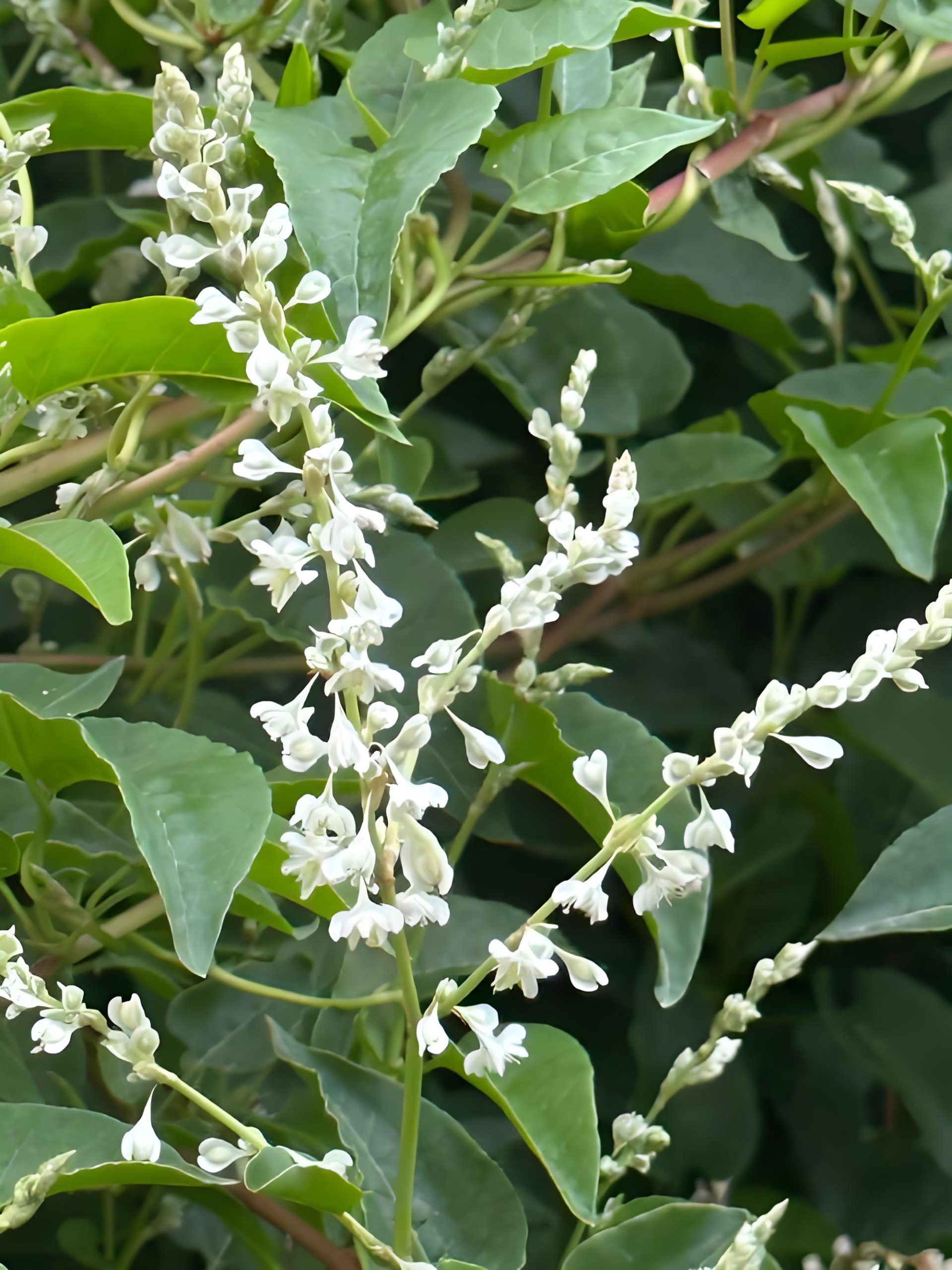
# Polygonum aubertii: The Hardy, Fragrant Vine That Works as Hard as It Blooms If you’ve ever walked past an old garden wall or a weathered trellis in late summer and caught a whiff of sweet, honeyed scent mixed with clouds of tiny white flowers, chances are you’ve met *Polygonum aubertii*—better known as silver lace vine, Chinese fleecevine, or Russian vine. A fast‑growing, woody climbing vine native to western China and parts of Central Asia, it’s one of those plants that doesn’t just look pretty—it earns its keep, whether you need a quick privacy screen, a pollinator magnet, or a tough, low‑maintenance workhorse for tough spots. Over years of tending gardens and watching this vine thrive in neglect and care alike, I’ve come to see it as equal parts beauty and utility—unfussy, resilient, and surprisingly versatile. ### What It Looks Like: A Fast, Flourishing Climber *Polygonum aubertii* is a deciduous twining vine in the buckwheat family (Polygonaceae), with a vigorous growth habit that can reach 6–10 meters in a single season when happy. Its stems are slender, grayish‑brown, and twist tightly around supports—trellises, fences, arbors, even old tree trunks—making it ideal for covering vertical spaces fast. The leaves are bright green, arrowhead‑shaped (ovate to lanceolate), 2.5–5 cm long, and grow alternately along the stems; new foliage often has a soft reddish blush before maturing to deep green. The real show starts in mid‑to‑late summer (July to September), when the vine erupts in cascading panicles of tiny, creamy‑white flowers—each bloom no bigger than a fingernail, but clustered in dense, 15–20 cm long sprays that drape like lace. These flowers are lightly fragrant, with a sweet, subtle scent that drifts through the air on warm days, and they attract bees, butterflies, and other pollinators by the dozens. By early fall, the flowers give way to small, pinkish, three‑angled achenes (seeds) that add a soft blush to the vine long after blooming ends. ### Ornamental Uses: Beauty That Grows Where Other Plants Won’t Silver lace vine’s biggest claim to fame is its ornamental value—and it’s easy to see why. Its fast growth makes it perfect for **quick privacy screens**: plant it along a chain‑link fence, a bare wall, or an unsightly utility pole, and it will cover the space in one to two seasons, turning eyesores into lush, blooming features. I’ve used it to hide a crumbling garden wall at my old house, and by the second summer, the wall was completely obscured under a cloud of white blooms—no expensive renovation needed. It’s also stunning on **arbors, pergolas, and trellises**, where its cascading flowers create a soft, romantic canopy over patios or walkways. Unlike fussy flowering vines (think roses or clematis), it doesn’t need constant pruning or pampering to bloom heavily—just full sun and something to climb. Even in large containers on balconies or patios, it thrives, adding vertical interest to small spaces as long as the pot has good drainage. One thing to note: its aggressive spreading habit means it can become weedy if left unchecked, especially in rich, moist soil. To keep it tidy and prevent it from taking over nearby plants, plant it in poor or lean soil (which slows its spread) and prune it back hard in late winter—this encourages dense, bushy growth and more flowers on new wood. ### Ecological & Practical Roles: More Than Just a Pretty Face Beyond its looks, *Polygonum aubertii* plays quiet but important roles in gardens and landscapes. As a **pollinator powerhouse**, its fragrant white flowers are a rich nectar source for bees, butterflies, and hummingbirds during late summer, when many other flowering plants have faded. In urban or suburban areas, where native pollinator habitats are scarce, it acts as a vital food source for these beneficial insects, supporting local biodiversity. Its dense, twining stems and thick foliage also provide **shelter for small birds and insects**, offering cover from predators and harsh weather. In winter, when the leaves drop, the woody stems still provide structure for birds to perch on or nest in. For gardeners dealing with **poor, dry, or saline soil**, silver lace vine is a lifesaver. It tolerates drought, coastal conditions, and nutrient‑poor soil better than most flowering vines, making it ideal for challenging sites like slopes, rocky areas, or roadside plantings. Its deep, spreading root system also helps **stabilize soil on slopes**, reducing erosion and holding the ground in place—especially useful in areas prone to heavy rains or wind. ### Medicinal Value: A Hidden Healer in Traditional Practices What many gardeners don’t know is that *Polygonum aubertii* (synonym *Fallopia aubertii*) has a long history of use in **traditional Chinese and Tibetan medicine**, where it’s valued for its healing properties. Known as “muteng liao” in Chinese herbal medicine, its dried stems and leaves are used to clear heat, detoxify the body, and reduce inflammation. Practitioners use it to treat a range of ailments: digestive issues like indigestion, diarrhea, and stomach pain; menstrual irregularities and excessive bleeding; and external wounds or swellings (the fresh stems can be crushed and applied topically to stop bleeding and reduce inflammation). In Tibetan medicine, it’s also used to alleviate symptoms of gout and respiratory infections like coughs and sore throats. Modern research has begun to back up these traditional uses, identifying bioactive compounds like flavonoids, tannins, and anthraquinones in the plant that have anti‑inflammatory, antimicrobial, and antioxidant effects. That said, it’s not widely used in modern Western medicine, and self‑medication is not recommended—always consult a qualified herbalist before using it for health purposes. ### Growing & Handling Notes: Tough but Not Invincible *Polygonum aubertii* is incredibly easy to grow—perfect for beginners or busy gardeners—but a few key habits will keep it healthy and under control: – **Light**: Thrives in full sun (6+ hours daily) but tolerates light shade; too much shade reduces flowering and makes the vine leggy. – **Soil**: Adaptable to most soils (sand, loam, clay) but prefers well‑drained conditions; avoid waterlogged soil, which causes root rot. – **Water**: Drought‑tolerant once established—water regularly only during the first 1–2 months after planting; after that, natural rainfall is usually enough. – **Pruning**: Blooms on new wood, so prune hard in late winter (cut back to 2–3 cm above ground) to encourage dense growth and more flowers; trim stray stems during the growing season to prevent spreading. – **Propagation**: Easy to grow from rhizome divisions, stem cuttings, or seeds; rhizome divisions are the fastest method—dig up a small section of root in spring and replant. – **Invasive risk**: In some regions (like parts of North America and Europe), it can escape cultivation and become invasive. Check local regulations before planting, and avoid placing it near wild or natural areas. ### Final Thoughts: A Vine That Gives More Than It Takes *Polygonum aubertii* isn’t the flashiest vine in the garden, nor the most high‑maintenance. It’s a quiet workhorse—fast‑growing, tough, fragrant, and useful in ways both seen and unseen. It covers ugly walls, feeds pollinators, stabilizes soil, and even heals, all while asking for little in return. I’ve grown it in my own garden for years, and every late summer, I’m still surprised by the sheer volume of white blooms and the sweet scent that fills the air. It’s a reminder that some of nature’s most valuable plants aren’t the rarest or most delicate—they’re the ones that adapt, endure, and bloom generously, no matter the conditions.


Polygonum aubertii seed

Prev:
Next: