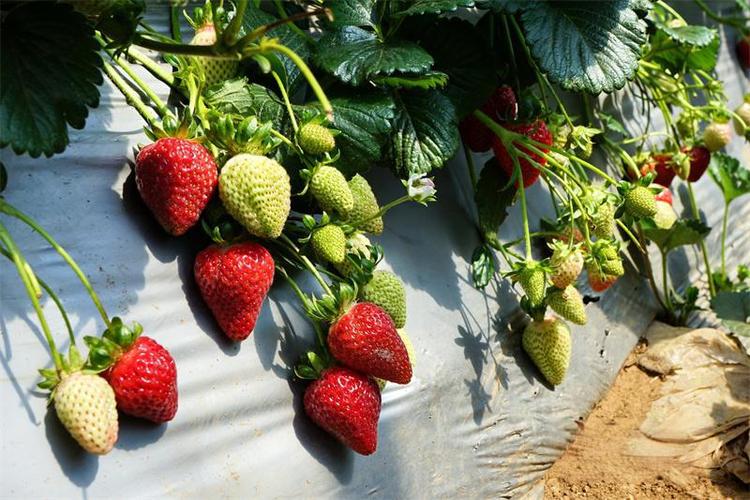
Alpine Strawberry seed Fragaria virginiana seed
Alpine Strawberry (Fragaria virginiana): Uses, Benefits, and Wild Charm
I first stumbled upon Alpine strawberries—scientifically called Fragaria vesca—while hiking in the foothills of the Alps last summer. Tucked between rocks and patches of clover, there they were: tiny, ruby-red berries, no bigger than my pinky nail, glistening with morning dew. I plucked one, popped it in my mouth, and was instantly hooked—its sweetness was intense, almost honey-like, with a faint floral aftertaste that made regular grocery-store strawberries taste bland by comparison. That day, I learned these little berries aren’t just wild treats; they’re a versatile plant with a long history of use, from the kitchen to the garden, and even in traditional remedies. Little did I know, a year later, I’d discover a close cousin here in North America: Fragaria virginiana, the Virginia strawberry, often also called alpine strawberry, and it quickly became a new favorite of mine.
Fragaria virginiana is a native North American perennial, growing wild across woodlands, meadows, and even along roadsides from Canada down to the southern United States. Unlike Fragaria vesca (which hails from Europe and Asia), this variety has a heartier, more rugged nature—adapted to the harsh winters and hot summers of the North American continent. It’s a low-growing plant, rarely reaching more than 6 inches tall, with soft, three-lobed leaves that turn a lovely reddish hue in the fall. In spring, it bursts into delicate white flowers with five petals and bright yellow centers, and by early summer, those flowers give way to small, plump berries—slightly larger than Fragaria vesca, but still tiny compared to the hybrid strawberries we buy at the store. Their color ranges from pale pink to deep red, and when ripe, they’re soft to the touch, with a juiciness that’s hard to beat.
Let’s talk about the most obvious use: eating them. I first found Fragaria virginiana while hiking in a state park in Pennsylvania, and I made the same mistake I did with Fragaria vesca—assuming they’d be tart or bland, like some wild berries. But one bite changed that: they’re sweet, with a bright, tangy edge that’s more vibrant than any store-bought strawberry. They’re perfect for eating fresh, right off the plant—no washing needed (as long as you’re in a clean, unpolluted area), just pluck and enjoy. I’ve spent many afternoons hiking, filling my pockets with these little berries, and they’re the best snack—light, refreshing, and full of natural sweetness. At home, I use them in simple ways: sprinkled over cereal, mixed into homemade yogurt, or even stirred into a glass of iced tea for a subtle fruity twist. They’re too small for pies or large desserts, but that’s okay—their charm lies in their simplicity.
What surprises most people is that almost every part of Fragaria virginiana is useful, not just the berries. The leaves, for example, are a hidden gem. My mom, who’s always loved foraging and herbal remedies, taught me to dry the leaves and make tea. She collects them in late spring, when they’re bright green and tender, lays them out in a cool, dry place to dry, and then stores them in a mason jar. The tea has a mild, earthy flavor with a hint of strawberry, and she drinks it when she has an upset stomach or feels run down. I’ve tried it a few times—steeped with a little lemon and honey—and it’s gentle and comforting, nothing like the bitter herbal teas you can buy at the store. Some Native American tribes also used the leaves topically: crushing fresh leaves and applying them to cuts, burns, or insect bites to soothe irritation and help with healing.
The roots of Fragaria virginiana have also been used in traditional medicine, though I’ve never tried this myself. I read that some Indigenous communities boiled the roots to make a decoction that was used to treat fevers and digestive issues. It’s not a practice I’m familiar with, but it’s a reminder of how this plant has been valued for centuries as more than just a food source—it’s a healer, too. Even the flowers aren’t wasted: they’re edible, and I’ve added them to salads for a pop of color and a subtle, sweet flavor. They look beautiful sprinkled over a green salad or a bowl of fruit, and they’re a fun way to add a little whimsy to a simple meal.
Beyond its uses for humans, Fragaria virginiana is also vital to the ecosystem. Its flowers are a favorite of bees, butterflies, and other pollinators—especially early in the season, when there aren’t many other flowers blooming. I’ve noticed that wherever I find these strawberries, there are always bees buzzing around the flowers, which is great for supporting local pollinator populations. The berries are also a food source for birds, squirrels, and even deer—though I try to get to them before the squirrels do! In my own garden, I’ve planted a few Fragaria virginiana plants along the edge of my flower bed, and they’ve attracted more bees and butterflies than any other plant I have. They’re low-maintenance, too—they don’t need much water, and they spread gently (unlike some strawberry varieties that take over the garden) by sending out small runners, making them perfect for naturalizing in a woodland garden or along a fence line.
When it comes to health benefits, Fragaria virginiana is just as impressive as its European cousin. The berries are packed with vitamin C—more than oranges, per gram—which helps boost the immune system and keep skin healthy. They also have fiber, which aids digestion, and antioxidants like ellagic acid, which help protect the body from free radicals. Since they’re small and naturally sweet, they’re a great healthy snack for kids and adults alike—no added sugar needed. I often pack a small container of them for my nephew when we go on hikes; he loves picking them himself, and I feel good knowing he’s getting a nutritious treat instead of candy.
Growing Fragaria virginiana is easy, even if you’re not an experienced gardener. They thrive in full sun to partial shade—mine grow in a spot that gets morning sun and afternoon shade, and they’re doing great. They prefer well-drained soil, but they’re adaptable—they’ll grow in clay or sandy soil as long as it’s not too wet. They’re also cold-hardy, surviving winters in zones 3 to 8, which means they come back year after year with minimal care. I’ve found that they don’t need fertilizers; just a little compost in the spring is enough to keep them happy. You can grow them from seed, but it’s easier to transplant wild plants (if it’s legal in your area) or buy young plants from a native plant nursery. They grow slowly at first, but once established, they’ll produce berries for years.
One thing to keep in mind is that Fragaria virginiana is a wild plant, so it’s important to respect its natural habitat. If you’re foraging for berries, only pick what you need, and never pick from plants in protected areas or where pesticides might have been used. Growing your own is the best way to enjoy them without harming wild populations. I also love that this plant is a piece of North American history—Indigenous communities have been using it for centuries, and it’s a reminder of the wisdom of living in harmony with nature.
To me, Fragaria virginiana is more than just a plant—it’s a connection to the land, to tradition, and to the simple pleasures of nature. Whether I’m hiking and picking wild berries, sipping tea made from its leaves, or watching bees dance around its flowers, this little strawberry brings joy in small, meaningful ways. It’s not flashy or exotic, but it’s reliable, useful, and full of flavor—qualities that make it a true treasure. If you ever have the chance to try Fragaria virginiana, take it—you’ll be surprised by how much this tiny, wild berry has to offer.