Wholesale Plant seeds,Alive roots,Medicinal herbs,medicinal materials.Mass production.

Alpine Strawberry seed Fragaria Vesca seed

Alpine Strawberry (Fragaria vesca): Uses, Benefits, and Simple Joys
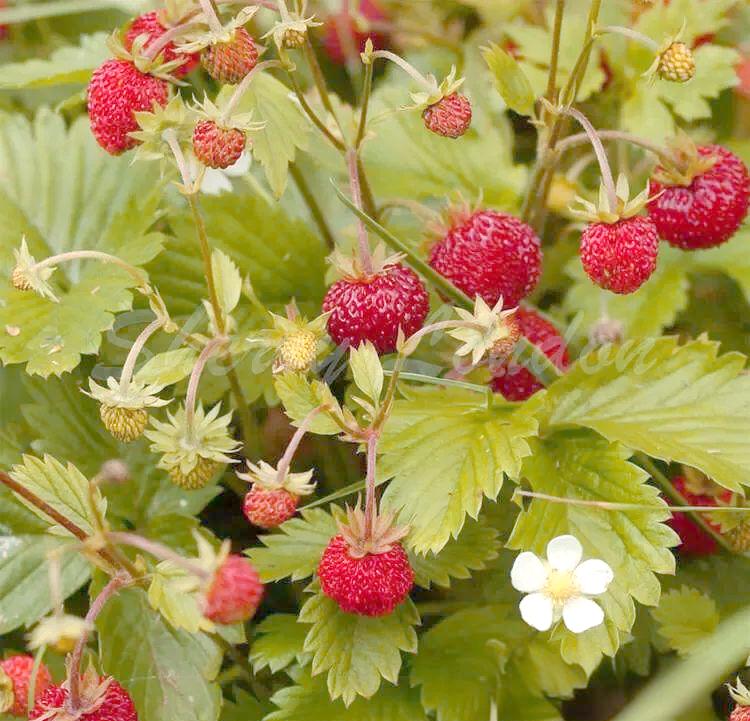
I first stumbled upon Alpine strawberries—scientifically called Fragaria vesca—while hiking in the foothills of the Alps last summer. Tucked between rocks and patches of clover, there they were: tiny, ruby-red berries, no bigger than my pinky nail, glistening with morning dew. I plucked one, popped it in my mouth, and was instantly hooked—its sweetness was intense, almost honey-like, with a faint floral aftertaste that made regular grocery-store strawberries taste bland by comparison. That day, I learned these little berries aren’t just wild treats; they’re a versatile plant with a long history of use, from the kitchen to the garden, and even in traditional remedies.
Let’s start with the basics: Fragaria vesca, also known as wild strawberry or woodland strawberry, is a small perennial herb in the rose family. Unlike the large, plump strawberries we’re used to (which are often hybrids), Alpine strawberries stay compact—growing only 6 to 8 inches tall—and form neat, low clumps instead of trailing runners. Their leaves are bright green, with three rounded lobes and soft, toothed edges, and in spring, they bloom with delicate white flowers that have tiny yellow centers. These flowers aren’t just pretty; they’re a sign that the berries are on their way, and they keep blooming from early summer right through fall, meaning you can pick fresh berries for months.
When it comes to uses, the fruit is obviously the star—but it’s not the only part of the plant that’s useful. Let’s start with eating them fresh: there’s nothing quite like plucking a ripe Alpine strawberry straight from the plant. They’re too small to slice or bake into a big pie, but that’s part of their charm. I keep a few plants in a window box on my balcony, and every morning, I pick a handful to eat with my yogurt or sprinkle over oatmeal. They add a burst of sweetness without being overpowering, and their soft, juicy texture feels like a little summer indulgence. My neighbor, who’s a keen baker, uses them to make tiny jams—since they’re so flavorful, she only needs a little sugar, and the jam tastes like pure summer in a jar. They also work well in salads, tossed with arugula, goat cheese, and a drizzle of balsamic vinegar, or as a garnish for desserts like panna cotta or shortbread.
What most people don’t know is that the leaves of Fragaria vesca are useful too. I learned from my grandmother, who’s always been into herbal remedies, that dried Alpine strawberry leaves make a mild, refreshing tea. She dries the leaves in the sun during summer, then stores them in a jar to use all winter. The tea has a subtle, earthy flavor with a hint of fruit, and she swears it helps soothe an upset stomach or calm a headache. I’ve tried it a few times—steeped with a little honey—and it’s gentle and comforting, perfect for a rainy afternoon. Some people also use fresh leaves as a mild astringent: crushing them and applying the juice to minor cuts or insect bites to help reduce redness and swelling.
Beyond being tasty and useful, Alpine strawberries are also great for the garden—and for wildlife. Their compact, clumping habit makes them perfect for small spaces: I’ve seen them planted along garden paths, in rock gardens, and even in hanging baskets. They don’t spread like regular strawberries, so they won’t take over your garden, and their bright green foliage and white flowers add a charming touch all year round. They’re also a hit with pollinators—bees and butterflies love the flowers—and birds and small mammals like to munch on the berries, which helps support local ecosystems. I’ve noticed more bees in my garden since I planted my Alpine strawberries, which is a nice bonus.
Health-wise, these little berries punch above their weight. They’re packed with vitamin C—more per gram than some citrus fruits—which helps boost the immune system and keep skin healthy. They also have fiber, which aids digestion, and ellagic acid, an antioxidant that helps fight free radicals in the body. Since they’re small and sweet, they’re a great healthy snack for kids (and adults!)—much better than sugary candies. I often pack a small container of them for my niece when she comes over; she loves picking them herself and eating them as a treat, and I feel good knowing she’s getting something nutritious.
Growing Alpine strawberries is also surprisingly easy, which is why I recommend them to anyone who wants to start a garden but doesn’t have a lot of space or experience. They grow well in full sun or partial shade—mine get a few hours of morning sun and shade in the afternoon, and they thrive. They prefer well-drained soil that’s rich in compost, but they’re pretty adaptable. I water mine once a week, and that’s it—no fancy fertilizers or extra care needed. They’re hardy too; I live in a zone with cold winters, and they come back every spring, bigger and fuller than the year before. You can grow them from seed, but I found it easier to buy small plants from a local nursery—they establish quickly and start producing berries within a few months.
One thing to note is that Alpine strawberries don’t ship well. They’re soft and delicate, so you won’t find them in most grocery stores. That’s part of their appeal, though—growing your own means you get the freshest, most flavorful berries possible. They’re also not as sweet as some hybrid strawberries, but their unique flavor—sweet with a hint of tartness and flowers—makes them worth the effort. I’ve tried growing other strawberry varieties, but none compare to the Alpine ones for taste and charm.
In the end, Fragaria vesca is more than just a plant—it’s a little reminder of the simple joys in life. Whether you’re picking berries on a hike, sipping tea made from their leaves, or watching bees buzz around their flowers, Alpine strawberries bring a touch of nature’s magic to everyday moments. They’re not flashy or complicated, but they’re useful, beautiful, and delicious—and sometimes, that’s all you need. If you have a little space in your garden or on your balcony, I highly recommend planting a few Alpine strawberry plants. You’ll be surprised by how much joy these tiny berries can bring.
Alpine Strawberry seed Fragaria Vesca seed
Prev:
Next: