


Cyphostemma mappia Seeds | Mappia Vine
LATIN NAME: Cyphostemma mappia
COMMON NAME: Mappia Vine
Plant Profile
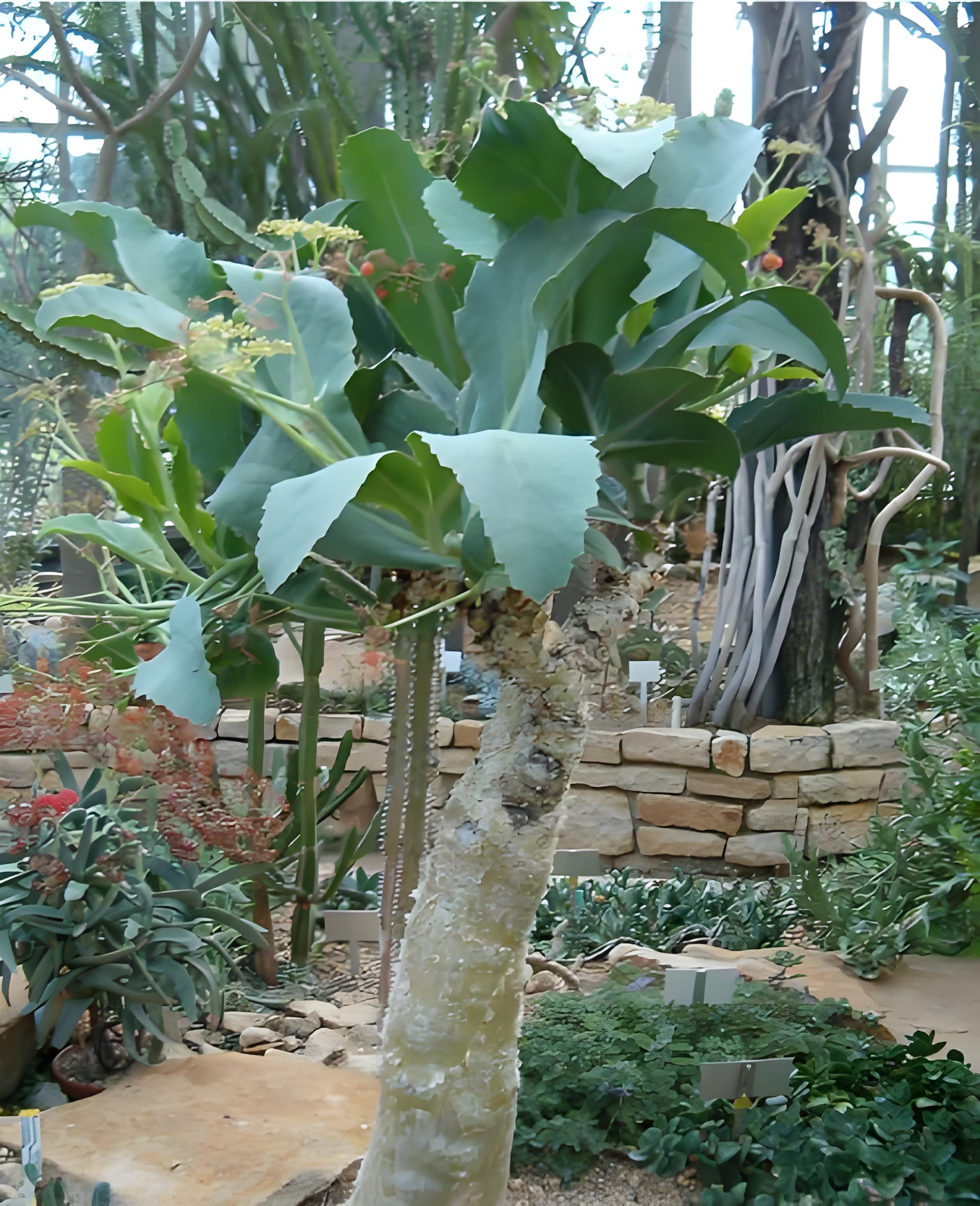
Cyphostemma mappia, better known as Mappia Vine, is a vine in the grape family (Vitaceae), native to parts of tropical Africa. Mappia vine holds its thick, fleshy, blue-grey stem and large, leathery, toothed leaves, and the whole plant carries the fine, ancient look of the dry country. Plant is a fine, curious presence of dry garden and study collection, and it is a plant of open, sunny, sharp-draining ground. During flowering it gives bees and other insects a dependable food source. In combination, these characteristics make a persuasive case for growing it.
Science & Biotechnology
Within the grape family, Cyphostemma mappia is of continuing interest to researchers working on plant diversity, seed biology and the selection of improved garden forms. In the laboratory and trial ground alike, it serves as workable material for propagation research and line selection.
Uses & Benefits
Mappia Vine works well in borders, containers and dedicated beds. Mappia vine is a fine, curious plant of dry garden and study collection. It is a fine, curious plant of open, sunny, sharp-draining garden. Give young vines support and sharp-draining soil, and fleshy stems will thicken over the years. Once it has settled, the workload drops to almost nothing.
Like the best garden herbs, it rewards growers twice: once in the garden with scent and pollinators, and again in the home as a traditional household herb.
Growing from Seed
Seed is the natural starting point for Mappia Vine, and the process is uncomplicated. Surface-sow onto a light, well-drained compost, dust over a thin covering, and keep evenly moist and sunny until the seedlings show. Grow the youngsters on steadily in pots until well rooted, then move them to their final positions.
Our Take
Mappia Vine earns its space through character rather than fuss. Careful watering early on is rewarded by toughness at maturity.
Related Reading
If Mappia Vine appeals to you, these related plants are worth a look: