


Acer tutcheri seed
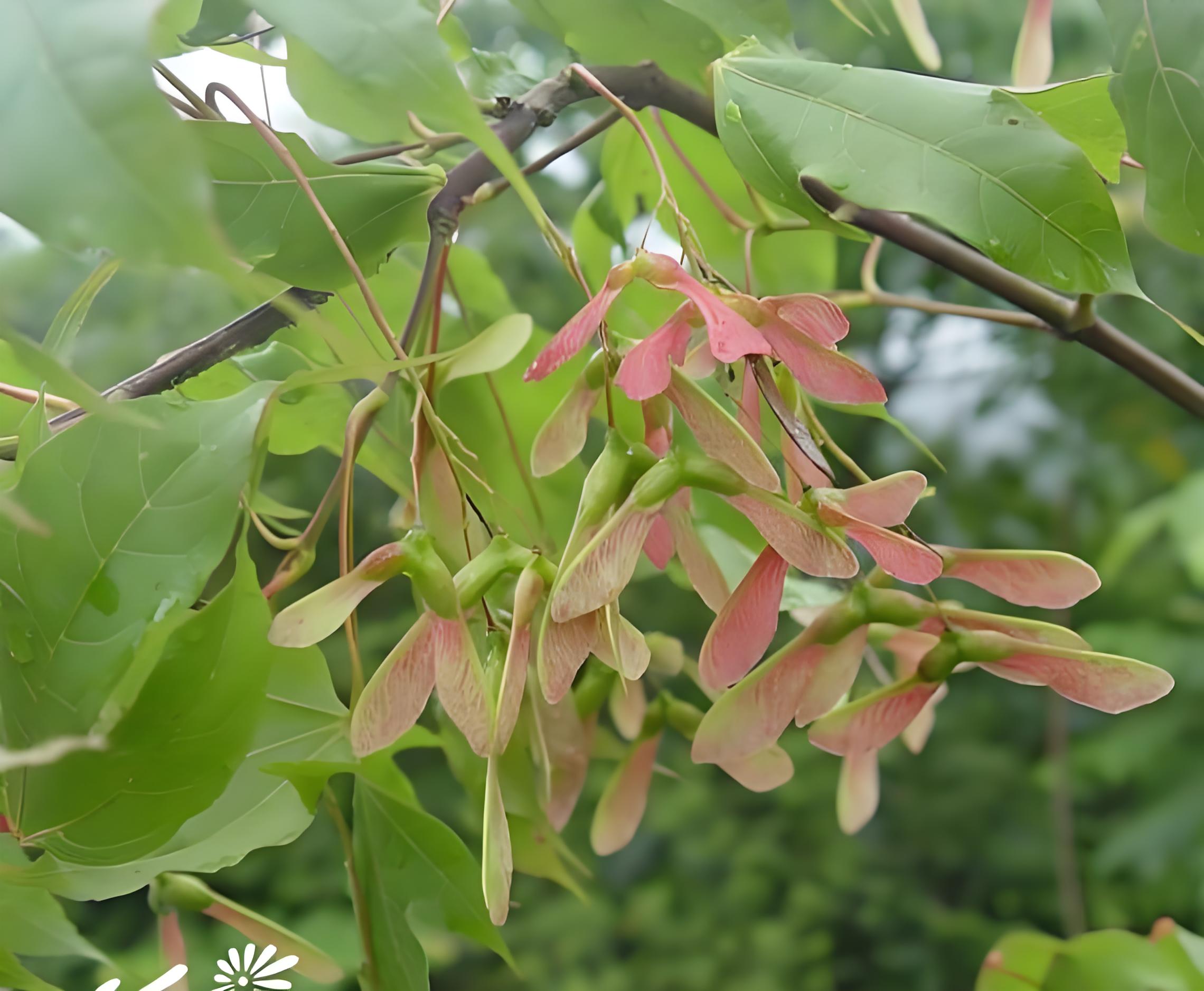
LATIN NAME: ACER TUTCHERI ENGLISH COMMON NAME: Tutcher’s Maple, Lingnan Maple Acer tutcheri is a medium‑sized deciduous maple within the Sapindaceae family, native to hilly broad‑leaved forests across southern China, thriving on mountain slopes between 300‑1000 metres elevation. Mature trees range from 5‑15 metres tall, forming open, rounded crowns with slender, smooth young twigs. Its distinct three‑lobed leaves carry sharp fine serrations along margins; new spring foliage emerges in vivid scarlet tones, matures to glossy deep green through summer, then transforms into brilliant red‑orange hues as autumn progresses. Small creamy‑white flowers cluster in short panicles each spring. After pollination, paired samara winged fruits develop, ripening to pale tan in early autumn, with seed wings spreading from acute angles to nearly horizontal positions. Seed‑grown specimens retain broad natural genetic diversity sourced from wild provenances, developing deep, robust tap‑root systems that deliver solid heat tolerance, high‑humidity resilience and reasonable drought resistance when compared to grafted stock. Seed‑origin seedlings show observable natural variation in spring leaf red intensity, autumn colour saturation and overall growth vigour, offering valuable germplasm resources for native tree breeding, subtropical landscape development and ex‑situ plant conservation programmes. This maple flourishes in full sun or light partial shade, preferring loose, acidic, humus‑rich and well‑aerated forest loam. It fits perfectly within subtropical mountain forest restoration projects, urban park specimen tree plantings, hillside green‑belt construction and specialized botanical garden maple collections. Every fully viable samara seed holds the complete genetic blueprint for growing a handsome multi‑season ornamental native tree, bringing long‑lasting landscape charm and ecological value for patient, dedicated tree growers.
Positive & Encouraging Seed Germination Guide Acer tutcheri seeds hold moderate physiological dormancy; thoughtful pre‑sowing conditioning unlocks steady, rewarding germination performance, filling every grower with bright optimistic expectations for vigorous young Tutcher’s maple saplings. Collect fully mature tan‑coloured samara fruits in early autumn when fruits detach easily from branches. Peel away the dry papery wing tissue to improve air circulation and minimise mould risks during stratification processing. Perform water‑float selection: keep heavy sinkable seeds containing living embryos and discard hollow, lightweight non‑viable material. A moist cold stratification cycle of 45‑60 days replicates cool mountain winter conditions and greatly accelerates even sprouting results. Mix cleaned seeds with damp fine sand inside breathable containers and maintain consistent cool temperatures. Inspect seed batches regularly; keep the medium softly damp but never waterlogged to avoid seed rot. Once stratification finishes in early spring, prepare deep nursery beds or tall containers filled with loose, acidic humus‑rich loam blended with coarse sand; heavy compacted alkaline clay soils must be avoided entirely. Sow seeds at moderate depth and cover evenly with fine growing medium. Maintain stable mild temperatures between 17‑23 °C. Apply gentle mist‑watering to sustain consistent substrate moisture levels. Bright dappled indirect light creates ideal nursery micro‑conditions; shield fragile newly emerged seedlings from harsh burning mid‑day direct sunlight. Under these nurturing conditions, strong radicles emerge first, followed by upward‑shooting seedling growth. Young saplings produce characteristic three‑lobed serrated true leaves and slowly build woody stems alongside powerful tap‑root systems week by week, displaying reliable encouraging growth momentum. Since tap‑root development happens early in juvenile life, transplant young trees while still small to prevent damaging root disturbance. After multiple complete sets of true leaves develop, saplings can be carefully hardened‑off and moved into deep individual pots or permanent hillside and garden outdoor planting spots. Each carefully nurtured seed rewards cultivators with promising young Tutcher’s maple saplings, full of hopeful outlook for striking scarlet spring foliage and spectacular fiery autumn colour displays.
Ecological & Economic Value & Wide Applications Acer tutcheri delivers substantial multi‑layered subtropical hillside ecosystem benefits alongside broad ornamental‑horticultural and native‑forest restoration economic value. Ecologically, its deep‑reaching root networks stabilise inclined mountain terrain, reduce surface runoff soil erosion and boost topsoil organic fertility as seasonal leaf litter decomposes. Spring panicle blossoms provide accessible pollen for local subtropical bee populations and diverse pollinating insect communities. Its well‑branched crown offers shelter and resting space for woodland birds and small forest fauna. As an endemic southern Chinese maple species, it functions as key planting stock for degraded subtropical broad‑leaved forest rehabilitation, hillside ecological restoration and native biodiversity conservation initiatives. It copes exceptionally well with hot humid summer weather, making it highly suitable for low‑maintenance city park and roadside avenue landscaping across warm‑temperate and subtropical regions. Economically, ornamental horticulture represents its most prominent value. Seed‑propagated saplings supply landscape contractors and nurseries with genetically diverse native colour‑featured trees for public green spaces and private‑garden specimen planting. Its fine‑grained hardwood can be used for local light‑duty wood‑craft and auxiliary furniture material. Nursery operators produce seed‑origin saplings for native‑tree specialist markets and germplasm bank preservation projects. Gardeners prize this maple for its rare dual spring‑and‑autumn red‑leaf display, a desirable trait among southern‑region maples. With reliable frost hardiness, excellent heat‑humidity adaptability, preference for acidic hillside soils and multi‑season ornamental appeal, Acer tutcheri unites subtropical mountain‑slope erosion‑control ecology, endemic tree germplasm conservation and warm‑climate landscape beautification, bringing sustained long‑term returns for forest‑restoration agencies, specialist nursery operators and subtropical‑zone maple‑growing enthusiasts.