


Turfgrass Seeds | Lawn and Sports Turf Blends
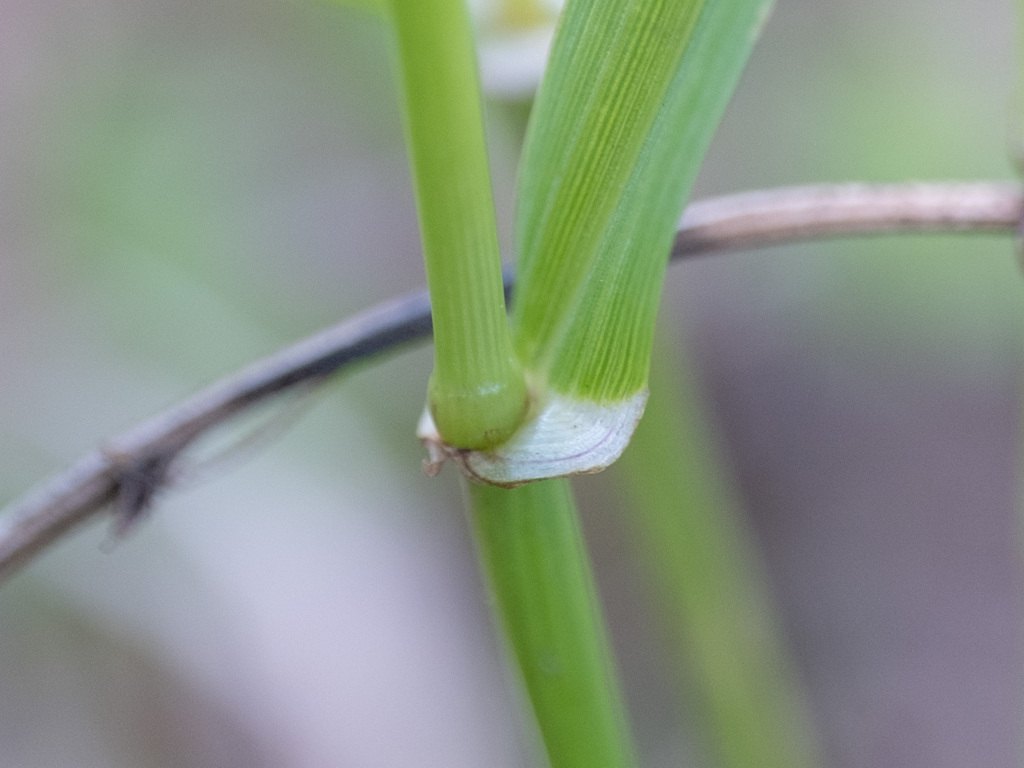
LATIN NAME: Turfgrass mixture
COMMON NAME: Turfgrass Mixture
Plant Profile
A turfgrass mixture is a seed lot containing two or more grass species or cultivars, blended to combine their strengths. The idea is insurance: a lawn sown to a single species fails everywhere that species is weak, while a blend covers more conditions. Almost every lawn seed sold in temperate countries is a mixture, and the label is worth reading.
The species fall into two groups. Cool-season grasses, which are C3, include perennial ryegrass, the fescues, bentgrass and Kentucky bluegrass; they grow in spring and autumn and stay green through mild winters. Warm-season grasses, which are C4, include Bermuda, zoysia, buffalo and seashore paspalum; they thrive in heat and go brown at the first frost.
The seed counts are wildly different, and that is why blends are measured by weight rather than by seed number. Perennial ryegrass has about five hundred seeds per gram; chewing fescue about a thousand; Kentucky bluegrass four to five thousand. A blend that is half ryegrass by weight may be a tenth ryegrass by seed, which changes the meaning of the label.
The third variable is cultivar rather than species. Modern turf breeding has produced ryegrasses with finer leaves, darker colour and better disease resistance, and fescues with endophytes that deter surface-feeding insects. A mixture of three cultivars of one species is often better than a mixture of three species, because the cultivars compete on equal terms.
Science & Biotechnology
The endophyte is a fungus that lives between the cells of the grass and produces alkaloids that deter insects and improve drought tolerance. It is inherited through the seed, so infected cultivars pass it on. The same alkaloids can cause problems in grazing animals, so turf cultivars and pasture cultivars are bred separately even within a species.
Competition is the other science. In a blend, the fastest germinating species dominates the sward in the first season, and the slower ones take over later if the management suits them. Ryegrass establishes in a week and can shade out bluegrass, which takes three weeks. That is why the sowing rate and the first cut matter as much as the mixture.
Disease resistance in a blend works by dilution. A cultivar that is susceptible to red thread will suffer, but its neighbours will not, and the patch recovers from the edge. That is the argument for genetic diversity in a lawn, and it is the same argument as for variety mixtures in wheat. It is not a cure, and it slows an epidemic.
Uses & Benefits
The choice of mixture follows the use. A family lawn wants wear tolerance and recovery, which means ryegrass with some bluegrass. A shaded garden wants fine fescue, which tolerates dry shade better than anything else. A sports field wants a ryegrass base for recovery and a bentgrass component for density. A wildflower strip wants neither.
Warm-season mixtures are a different proposition. They are sown in late spring, establish slowly, and are overseeded with ryegrass in autumn to hold colour through winter. In subtropical climates that double sowing is standard practice, and the transition back in spring depends on mowing height and on temperature. It is a managed system rather than a sowing.
The environmental argument has turned against the lawn in some places, and the mixture is part of the answer. A lawn of fine fescue needs less water and less nitrogen than one of ryegrass, and a lawn mown high and fed little supports more invertebrates. The mixture can be chosen for that, rather than for colour, and the label will tell you. The same family turns up again in Beckmannia syzigachne, Pennisetum orientale and Achnatherum splendens.
Growing from Seed
Prepare a firm, level seedbed, and sow at the rate on the label: twenty-five to thirty-five grams per square metre for ryegrass blends, fifteen to twenty for bluegrass. Split the seed and sow half in one direction and half across it. Rake lightly, roll, and keep moist with a fine spray until germination, which takes seven to twenty-one days.
The first cut is the critical one. Mow when the grass is a third taller than the target height, and remove no more than a third of the leaf at once. Keep the blade sharp. Feed lightly in autumn rather than in spring, and overseed thin patches in September, the best window in a cool climate. Water deeply and rarely.
Read the label before buying: purity, germination percentage, and the percentage of each species by weight. A cheap mixture often has a high proportion of annual ryegrass, which dies after one season and leaves gaps. The seed count and the cultivar names are what separate a lawn mixture from a bag of filler, and both are on the label.
Our Take
A lawn mixture is a small exercise in applied ecology, and most people buy it the way they buy paint: by colour on the bag. The label tells you the species, the cultivars, the purity and the germination, and those four numbers predict more about the result than the picture does. It is worth two minutes in the shop.
Choose the mixture for the site and the use, sow it at the right rate, and cut it high. A lawn is a plant community, and it responds like one. The blend is the starting condition, and everything after that is management.
Related Reading
Continue exploring with these related plants: