


Herb Seeds | Culinary and Medicinal Herbs
LATIN NAME: Herb seeds
COMMON NAME: Herb Seeds
Plant Profile
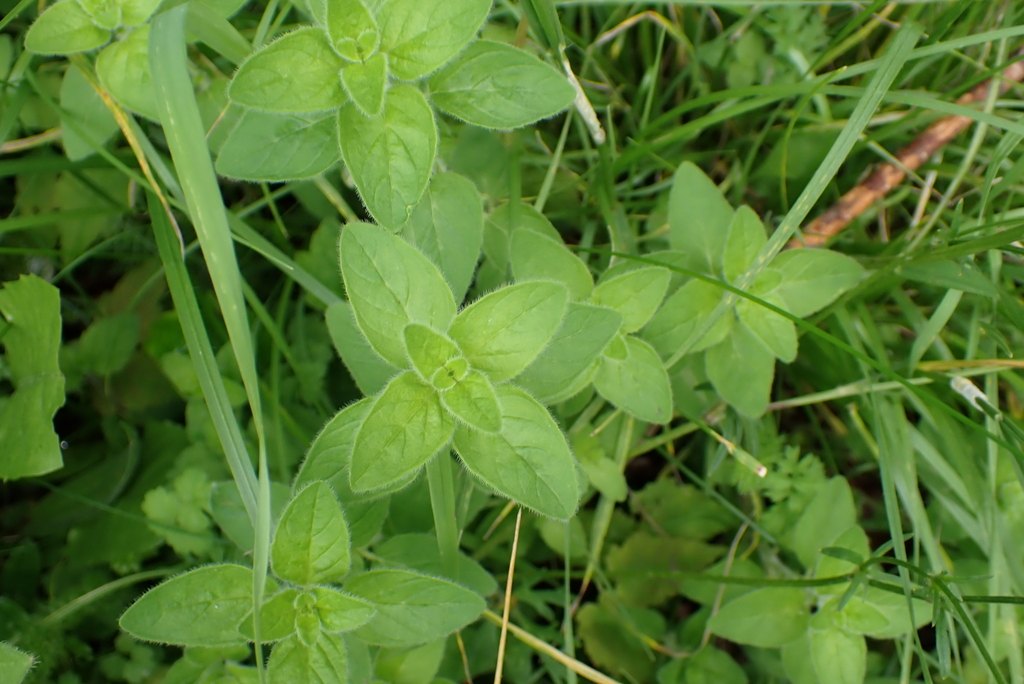
Herb seeds is a trade category rather than a botanical one, and it covers three families with very different habits. The Lamiaceae give the mints, sages, thymes and oreganos, with square stems and oil glands. The Apiaceae give dill, coriander, parsley, fennel and cumin, with umbels and a taproot. The Asteraceae contribute chamomile and its relatives.
The differences matter at sowing time. Mint-family seed is usually small, flat and short-lived, and germinates in two to three weeks at eighteen to twenty degrees. Umbellifer seed is larger, slower and often needs cold to break dormancy, and it loses viability within two or three years. That is why old parsley seed fails and old basil seed does not.
There is also a difference in habit. Most Lamiaceae are perennials or short-lived subshrubs, and a single sowing can last years. Most Apiaceae are annuals or biennials, and they bolt in heat, which means succession sowing every three weeks for a continuous supply. The packet rarely says this, and it is the main reason herb beds go over.
A third group is grown for seed rather than leaf: coriander for the fruit, cumin and caraway for the seed, dill for both. These need to be left to flower and ripen, which takes space and time, and they cross with wild relatives. Coriander and dill will hybridise with wild umbellifers, so seed saving needs isolation or a screen cage.
Science & Biotechnology
The oils that make a herb a herb are secondary metabolites stored in glands, and their composition depends on light, temperature and water. Basil grown in shade has less eugenol and more leaf; thyme grown dry has more thymol. That is why the same seed can give a bland plant or a strong one, and why the garden matters as much as the variety.
The Apiaceae seed is actually a fruit, a schizocarp that splits into two halves, each with an oil canal. That is where the flavour of dill, caraway and coriander sits, and it is why the whole fruit is used rather than the seed inside. Grinding releases the oil and loses it within hours, which is the argument for grinding at the point of use.
Germination in the family is inhibited by light in some species and promoted by it in others, and many need a period at low temperature. Parsley is the classic case: three to six weeks, uneven, improved by soaking and by a fortnight in the refrigerator. The mechanism is a hard coat plus an immature embryo, and it is not a sign of bad seed.
Uses & Benefits
The culinary use is obvious and the reason most people sow them. The same plants are also the basis of a good deal of domestic medicine, and that is where caution is needed: a culinary amount of thyme is not the same as an essential oil, and the oil is toxic in grams. Grow herbs for the kitchen and buy medicine from a pharmacist.
In the garden they earn their place in other ways. The flowers of dill, fennel and coriander are among the best for hoverflies and parasitic wasps, which prey on aphids. Mint and thyme are visited by bees. A herb bed is therefore a beneficial-insect strip, and it works better for pest control than most of what is sold for the purpose.
Most herbs are also cheap to grow and expensive to buy fresh, which is the economic argument. A packet of basil seed costs less than a supermarket plant and gives a season of cuttings. The catch is that the supermarket plant is a dense cluster of seedlings that will collapse whatever you do, and the packet is the better buy.
Growing from Seed
Sow in spring at eighteen to twenty-one degrees, on the surface of a fine mix for the small-seeded kinds, and cover the larger Apiaceae by their own depth. Germination is two weeks for basil and four to six for parsley. Keep the trays warm and bright, and water from below to avoid damping off and washing the seed into a corner.
Grow the seedlings on in individual pots and plant out after the last frost, in full sun and well-drained soil. Space basil at twenty-five centimetres, parsley at twenty, thyme at thirty. Pinch the tips of basil and mint to make bushy plants, and remove flower buds from leaf crops to keep them producing. Let the seed crops flower.
Sow in succession from April to July for a continuous supply, and protect the late sowings under glass. Perennial herbs are better bought as plants or raised from cuttings than from seed, because named forms do not come true. Save seed only from open-pollinated plants, and label it with the year, because viability falls fast.
Our Take
Herb seed is the cheapest way into growing food, and the one most often wasted because the packet is sown all at once in April. The fix is succession sowing and a little knowledge of which family you are dealing with. A herb bed sown in three batches will outperform one sown in a single afternoon.
Sow small, sow often, and eat the thinnings. Keep the Apiaceae seed fresh and the Lamiaceae dry, and do not expect last year’s parsley to come up. That is most of what there is to know, and it is enough to keep a kitchen supplied from March to November.
Related Reading
More species in the same orbit as Herb Seeds: