


Persicaria hydropiper Seeds | Water Pepper
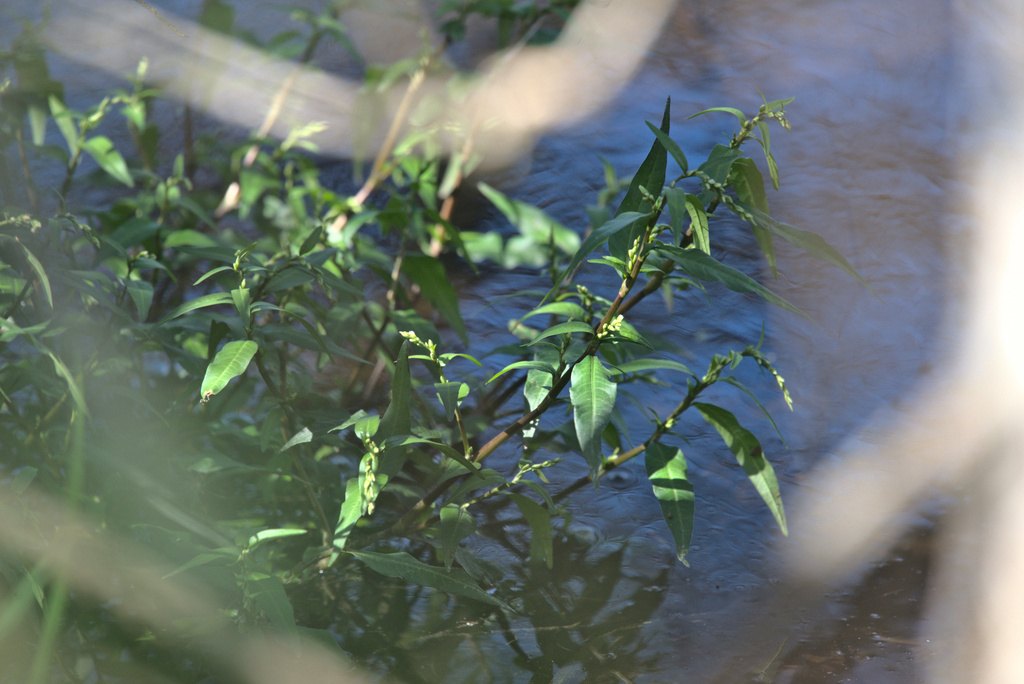
LATIN NAME: Persicaria hydropiper
COMMON NAME: Water Pepper
Plant Profile
Water pepper is an annual of the Polygonaceae, native across Europe, temperate Asia and North America and found in every damp ditch, marsh edge and wet hollow in between. It grows 30 to 80 cm, with lance-shaped leaves, a stem that is often red at the nodes and a thin, peppery smell when the foliage is bruised. In a wet summer it can cover the mud of a dried pond in a single season.
The flowers are small and greenish-pink, carried in slender, drooping spikes from midsummer, and they are not showy in any conventional sense. The plant is at its best in a wet meadow or at the edge of a pond, where the spikes catch a low sun and the red stems show against dark water. Close up, a spike is a chain of tiny bells.
The leaves are the reason for the name. Chew one and the taste arrives late and then burns, a hot, numbing, peppery sensation quite unlike black pepper, which warms rather than stings. It lingers for a minute and then goes.
Science & Biotechnology
The compound responsible is polygodial, a sesquiterpene dialdehyde that also occurs in the Dorrigo pepper of Australia and in several unrelated plants. It activates the TRPA1 and TRPV1 channels, the same receptors that respond to wasabi and to chilli. That is why the sensation is sharp and immediate rather than slow and diffuse, and why a small piece of leaf is quite enough.
Polygodial is antifungal and antifeedant as well as pungent, and the plant uses it to discourage insects. Extracts have been tested against Candida and against several plant pathogens, though nothing has come of it commercially. The chemistry remains a laboratory curiosity after fifty years of papers.
The genus Persicaria was split from Polygonum on the structure of the flower and the fruit, and water pepper is its type species. The achenes are triangular, dark and buoyant, and they disperse on water, which is a neat trick for a plant that spends its life in ditches and in the muddy tails of ponds. They also survive a passage through a duck. The Polygonaceae list also carries Persicaria capitata, Fallopia convolvulus and Persicaria orientalis.
Uses & Benefits
In Japan the plant is yanagatade, and it is a condiment. The leaves and young shoots are chopped into vinegar as tade-zu, served with river fish, or used to lift a plate of sashimi. A red-leaved cultivar, benitade, has been grown around Kyoto since the Edo period as a garnish, and it ranks among the few vegetables valued for colour as much as for taste. It is sold in small bunches for more than most herbs.
In Europe it was a pepper substitute in hard times and a medicinal herb for longer: a styptic, a stimulant, a treatment for haemorrhoids, and a folk remedy for complaints that were probably not improved by it. The taste is peppery and fleeting, and it burns the tongue rather than warming it.
In the garden it has little ornamental value for most people, but it is a reliable indicator of where the ground stays wet, and it will grow in a bog garden or a pond margin where very little else will. It is also a good plant to have if you like the idea of foraging.
Growing from Seed
Sow in autumn where the plant is to grow, or in spring on the surface of wet compost. It needs light to germinate and it needs water, and a tray standing in an inch of it is not too much. Do not cover the seed, and do not let the surface dry out between waterings.
Plant out into mud, or into soil that never fully dries. It tolerates standing water for part of the year, and it will seed itself into any nearby damp corner, which is either a feature or a nuisance depending on the garden and on how fond you are of order.
Cut the spent spikes if you do not want it everywhere. The seed stays viable for years in mud, so a single season of plants can turn into a permanent colony along a ditch. There is no herbicide that will remove it from a wet place without removing everything else. In a garden with a pond that is usually acceptable; in a wildflower meadow it is not.
Our Take
Water pepper has a split personality: a weed of ditches and a condiment of Japanese cuisine, and the same species in both cases. Grow it if you have a wet corner and an interest in tastes that are not comfortable. Do not grow it if you have a wet corner and no wish to weed, and no patience for a plant that arrives everywhere at once.
Related Reading
More species in the same orbit as Water Pepper: