Wholesale Plant seeds,Alive roots,Medicinal herbs,medicinal materials.Mass production.

ligustrum japonicum seed

ligustrum japonicum seed
Ligustrum japonicum: The Versatile Japanese Privet—Uses, Benefits, and Everyday Charm
When I first moved into my home a decade ago, the front yard was lined with a row of dense, glossy green shrubs that I initially paid little attention to. They were evergreen, low-maintenance, and seemed to blend into the background—until late spring, when they erupted in clusters of tiny, creamy-white flowers that filled the air with a sweet, heady fragrance. A neighbor stopped by one day and said, “You’re lucky to have those Ligustrum japonicum—Japanese privet. They’re tough as nails and useful for just about everything.” That offhand comment made me look closer, and over the years, I’ve grown to appreciate this unassuming shrub for its adaptability, practicality, and quiet beauty. It’s not the flashiest plant in the garden, but it’s one of the most reliable—working hard as a hedge, a specimen, a pollinator haven, and even a source of traditional use.
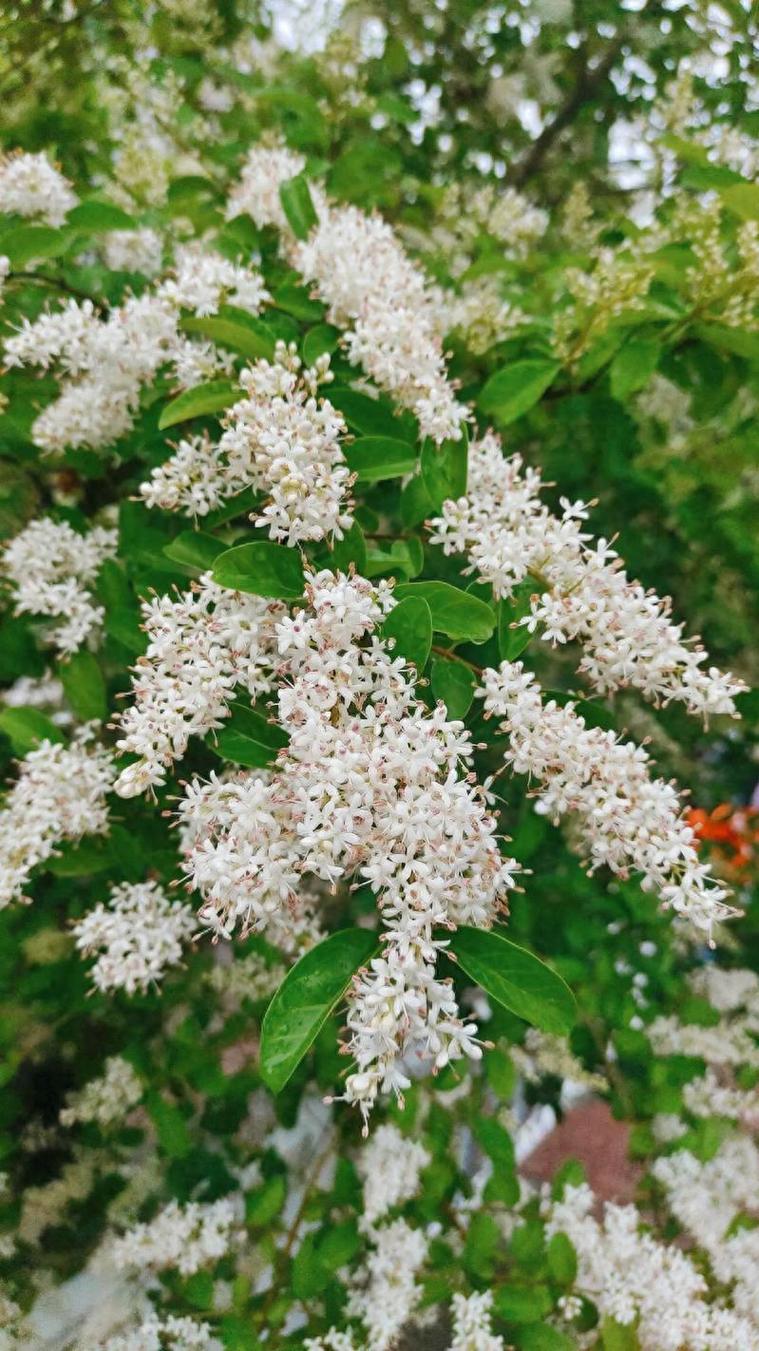
First, let’s get to know Ligustrum japonicum a little better. Native to Japan and Korea, this evergreen shrub (sometimes growing into a small tree) belongs to the Oleaceae family, closely related to olives and lilacs. It typically reaches 3 to 6 meters tall, with a dense, rounded growth habit that makes it perfect for shaping. Its leaves are its most distinctive feature: thick, leathery, and glossy dark green, oval-shaped with smooth edges, and they stay lush and vibrant year-round—even in cold winters, when most other shrubs lose their foliage. In late May to early June, it produces panicles of small, tubular white flowers that are not only fragrant but also attract bees, butterflies, and other pollinators. By late summer, the flowers give way to small, round, black berries that hang in clusters; while they’re not edible for humans (they taste bitter and can cause mild stomach upset if eaten), they’re a favorite food source for birds like robins and cedar waxwings, which feast on them well into winter. A quick note: if you have small children or pets, it’s best to keep them away from the berries, as ingestion can lead to nausea or diarrhea.
The most common and practical use of Ligustrum japonicum is as a hedge or screen—and for good reason. Its dense growth habit, evergreen foliage, and ability to tolerate heavy pruning make it ideal for creating privacy barriers, lining property borders, or hiding unsightly areas like utility boxes or fence lines. I’ve pruned my own privet hedge every spring for years, shaping it into a neat, uniform border that blocks the view of the street and adds a polished look to the yard. Unlike some hedging plants that require constant care, Japanese privet is forgiving: it tolerates neglect, poor soil, and even occasional drought, making it perfect for busy gardeners or those new to landscaping. I’ve also seen it used as a topiary—shaped into balls, cones, or even animal forms—in parks and formal gardens, showcasing its versatility in design. One thing I’ve learned the hard way, though: don’t prune it too late in the summer, as new growth won’t have time to harden off before winter and may be damaged by frost. Also, avoid over-pruning in one session; trimming a little at a time helps keep the shrub dense and healthy, preventing bare spots.
Beyond hedging, Ligustrum japonicum also shines as an ornamental plant in gardens and landscapes. Its glossy evergreen leaves add year-round color and texture, making it a great backdrop for seasonal flowers like roses, hydrangeas, or tulips. It works well as a standalone specimen plant, especially when allowed to grow into a small tree, with its dense canopy providing shade and visual interest. I’ve planted a few near my patio, where their fragrant spring flowers make outdoor dinners feel more inviting, and their evergreen foliage provides a lush backdrop even in the dead of winter. It’s also a popular choice for container gardening—planted in large pots, it adds height and greenery to balconies, patios, or entryways, and it’s easy to prune to keep it compact. When planting in containers, though, make sure the pot has good drainage; Japanese privet hates sitting in waterlogged soil, which can lead to root rot. I once lost a potted privet because I forgot to drill drainage holes, so I always double-check that now.
Ecologically, Ligustrum japonicum plays a quiet but important role, especially in urban and suburban areas. Its fragrant flowers are a valuable nectar source for bees, butterflies, and hoverflies in late spring, when many other plants are just starting to bloom. The black berries are a crucial food source for birds during the winter months, when natural food is scarce—I’ve watched flocks of robins descend on my privet hedge every December, feasting on the berries for weeks. Its dense foliage also provides shelter for small birds and insects, offering cover from predators and harsh weather. However, it’s important to note that in some regions (like parts of the southeastern United States), Japanese privet has become invasive, escaping cultivation and crowding out native plant species. If you’re considering planting it, check with local gardening authorities to ensure it’s not classified as invasive in your area—this helps protect local biodiversity. In my area, it’s not invasive, but I still keep an eye on it to make sure it doesn’t spread beyond where I’ve planted it.
While it’s not widely known for medicinal uses, Ligustrum japonicum has a small place in traditional Asian medicine. In Japan and Korea, the leaves and bark have been used for centuries to make a mild herbal tea, believed to have anti-inflammatory and detoxifying properties. Some traditional healers also used crushed leaves topically to soothe minor skin irritations or insect bites, though this use is rare today. Modern research has found that the plant contains flavonoids and other antioxidants, which may have potential health benefits, but it’s not a commonly used medicinal plant in either traditional or modern practices. I’ve tried making the tea once, and it has a mild, earthy flavor—nothing too bitter, but not particularly flavorful either; it’s more of a traditional remedy than a comforting beverage. A word of caution: never use the plant for self-medication without consulting a qualified herbalist, as improper use can cause adverse reactions.
Growing Ligustrum japonicum is incredibly easy, even for beginners, but a few simple tips will keep it healthy and looking its best. It thrives in full sun to partial shade—full sun encourages denser growth and more flowers, while partial shade is fine in hot climates where full sun might scorch the leaves. It’s adaptable to most soil types, from sandy to clay, but prefers well-drained soil; if your soil is heavy clay, add compost or sand to improve drainage. Once established, it’s drought-tolerant, so you only need to water it regularly during the first 1-2 years after planting to help its root system develop. After that, natural rainfall is usually enough, though you may need to water it during extended dry spells. It’s relatively resistant to pests and diseases, but keep an eye out for aphids or scale insects—if you spot them, a gentle spray of soapy water usually takes care of the problem. Avoid using harsh pesticides, as they can harm the pollinators that visit the flowers.
Over the years, my Japanese privet hedge has become a staple of my yard—reliable, low-maintenance, and always there to add greenery and charm. It’s witnessed family barbecues, backyard games, and quiet evenings on the patio, and it’s never let me down. What I love most about it is that it doesn’t demand attention; it just does its job, whether that’s providing privacy, feeding birds, or adding a touch of beauty to the landscape. It’s a plant that proves you don’t need flashy flowers or exotic foliage to be valuable—sometimes the most useful plants are the ones that blend in, work hard, and bring joy in small, everyday ways. Whether you’re a seasoned gardener or just starting out, Ligustrum japonicum is a wonderful choice—versatile, tough, and full of quiet charm that grows on you, just like it grew on me.
Prev: