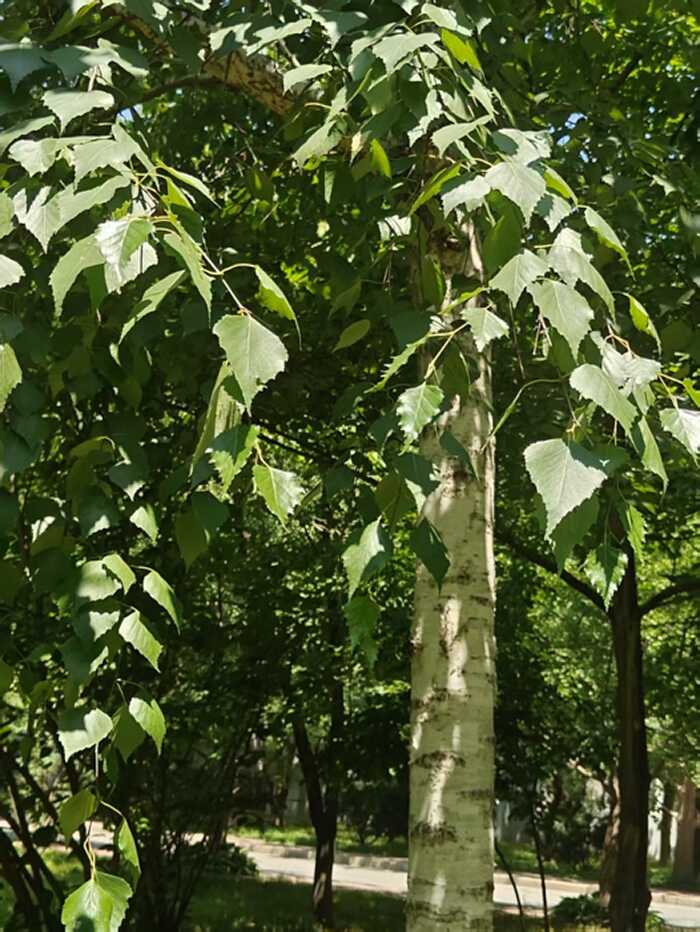
Betula maximowicziana seed Brzoza Maksimowicza seed

Betula maximowicziana (Brzoza Maksimowicza): The Majestic Monarch Birch—Uses, Benefits, and Timeless Appeal
A few years ago, while visiting a botanical garden in Hokkaido, Japan, I was stopped in my tracks by a towering, striking tree that stood out among the surrounding foliage. Its trunk was smooth, peeling in papery, creamy-white strips that revealed a warm, coppery-pink underlayer, and its canopy was dense with bright green, ovate leaves that fluttered gently in the breeze. When I asked the gardener about it, he smiled and said, “That’s Betula maximowicziana—we call it ‘udai kanba’ here, the monarch birch. In Poland, they know it as Brzoza Maksimowicza, named after the botanist who first documented it.” That moment sparked my curiosity about this regal tree, and over time, as I encountered it in its native Japanese forests and even in a few European gardens, I came to appreciate its unique beauty, practical uses, and ecological importance. It’s a tree that bridges continents, beloved for its elegance and versatility, yet still underappreciated outside its native range.
First, let’s clarify the name: Betula maximowicziana is its official Latin name, honoring the 19th-century Russian botanist Carl Johann Maximowicz, who first described the species. Brzoza Maksimowicza is simply its Polish common name—“brzoza” means birch in Polish, so it translates directly to “Maximowicz’s birch.” No matter what you call it, this deciduous tree is hard to mistake. It’s a large, fast-growing birch, reaching 25 to 30 meters tall in maturity, with a straight, sturdy trunk and a broad, rounded canopy. Its bark is its most distinctive feature: young trees have smooth, silvery-white bark, which peels in thin, horizontal strips as the tree ages, exposing a rich, reddish-copper inner bark that adds warmth and visual interest. The leaves are 5 to 10 centimeters long, oval with finely serrated edges, and a glossy dark green on top, turning a vibrant golden-yellow in autumn—creating a stunning display that lights up forests and gardens alike. In late spring, it produces cylindrical catkins: male catkins are long and pendulous, while female catkins are shorter and upright, maturing into small winged seeds by late summer, which disperse on the wind to colonize new areas.
Native to northern Japan (Hokkaido, Honshu), the Russian Far East, and parts of Korea, Betula maximowicziana thrives in cool, temperate climates, preferring well-drained, slightly acidic soil and full sun to partial shade. It’s a hardy tree, tolerating cold winters (down to USDA zone 4) and moderate drought once established, though it grows best in moist, humus-rich soil. One thing I’ve noticed when growing it in my own garden (which has similar conditions to its native habitat) is that it’s relatively resistant to pests and diseases—unlike some other birch species, it’s not prone to bronze birch borer infestations, making it a low-maintenance choice for large landscapes. It also grows quickly, adding 60 to 90 centimeters of height per year when young, which means it can quickly become a focal point in a garden or reforestation project.
The most prominent use of Betula maximowicziana is its ornamental value—and it’s easy to see why. Its striking bark, elegant form, and vibrant autumn foliage make it a popular specimen tree in parks, large gardens, and street plantings in cool temperate regions. I’ve seen it planted as a standalone tree in lawns, where its peeling bark and golden autumn leaves steal the show, and in groups to create a small grove that mimics its natural forest habitat. In Poland, where it’s known as Brzoza Maksimowicza, it’s often used in urban landscaping, adding a touch of natural beauty to city streets and public spaces. It also pairs beautifully with other temperate trees like maples, oaks, and conifers, creating a layered, diverse landscape. Unlike some ornamental trees that require constant pruning or care, Betula maximowicziana is relatively hands-off—just occasional pruning to remove dead or damaged branches is enough to keep it looking its best.
Beyond its beauty, Betula maximowicziana has practical economic uses that have been valued for centuries. Its wood is light, strong, and fine-grained, making it ideal for a variety of applications. In Japan, traditional craftsmen use it to make furniture, cabinetry, and wooden utensils, as it’s easy to carve and finishes well. It’s also used for pulp and paper production, thanks to its fast growth and abundant wood supply. The bark, which peels easily in thin strips, has been used historically by indigenous communities in Japan to make baskets, mats, and even roofing material—its waterproof properties make it ideal for protecting homes from rain. I’ve even seen local artisans in Hokkaido use the bark to create decorative items like wall hangings and small containers, showcasing the tree’s versatility beyond its practical uses.
Ecologically, Betula maximowicziana plays a vital role in its native ecosystems. As a fast-growing tree, it acts as a pioneer species, colonizing disturbed areas like clear-cut forests or lands damaged by natural disasters. Its deep root system helps stabilize soil, preventing erosion and improving soil quality by adding organic matter as its leaves decompose. The tree’s catkins provide a source of pollen and nectar for bees and other pollinators in early spring, when few other plants are blooming. Its dense canopy offers shelter for birds and small mammals, while its leaves and seeds are a food source for insects and herbivores. In its native Japanese forests, it’s an important part of the mixed deciduous forest ecosystem, supporting a diverse range of wildlife and helping maintain ecological balance. In reforestation projects, it’s often used to restore degraded lands, as it grows quickly and helps create a suitable habitat for other, slower-growing tree species.
While it’s not widely used in modern medicine, Betula maximowicziana has a small place in traditional healing practices. In some Japanese and Russian communities, the bark and leaves have been used to make a mild herbal tea, which is believed to have anti-inflammatory and astringent properties, used to soothe sore throats and digestive issues. The bark has also been crushed and applied topically to minor wounds to help stop bleeding and prevent infection, though this use is rare today. Modern research has found that the bark contains flavonoids and other antioxidants, which may explain some of its traditional healing properties, but it’s not a commonly used medicinal plant in either traditional or modern practices.
When growing Betula maximowicziana, there are a few key things to keep in mind to ensure its health and longevity. It prefers full sun—at least 6 hours of direct sunlight per day—to thrive; too much shade will cause it to grow leggy and reduce its autumn foliage color. It needs well-drained soil; waterlogged soil can lead to root rot, so it’s best to plant it in a raised bed or add sand or compost to improve drainage. While it’s drought-tolerant once established, young trees need regular watering during their first two years to help their root systems develop. Pruning should be done in late winter or early spring, before new growth begins—focus on removing dead, diseased, or crossing branches to maintain a strong, balanced canopy. It’s also important to avoid planting it too close to buildings or power lines, as it can grow quite tall and wide, and its roots can be invasive if planted near underground pipes or foundations.
To me, Betula maximowicziana—whether called by its Latin name or Brzoza Maksimowicza—is more than just a tree. It’s a symbol of resilience, elegance, and cross-cultural connection, linking Japan, Poland, and other temperate regions through its beauty and utility. It’s a tree that thrives in harsh conditions, yet remains graceful and striking. Every time I see its peeling bark and golden autumn leaves, I’m reminded of the beauty of nature’s adaptability. It’s a tree that gives back—providing beauty, shelter, and practical resources—while asking for little in return. Whether you encounter it in a botanical garden, a forest, or a city street, take a moment to appreciate its majesty. It’s a tree that deserves more recognition, a hidden gem among birches, and a testament to the wonders of the natural world.