Betula ermanii seed

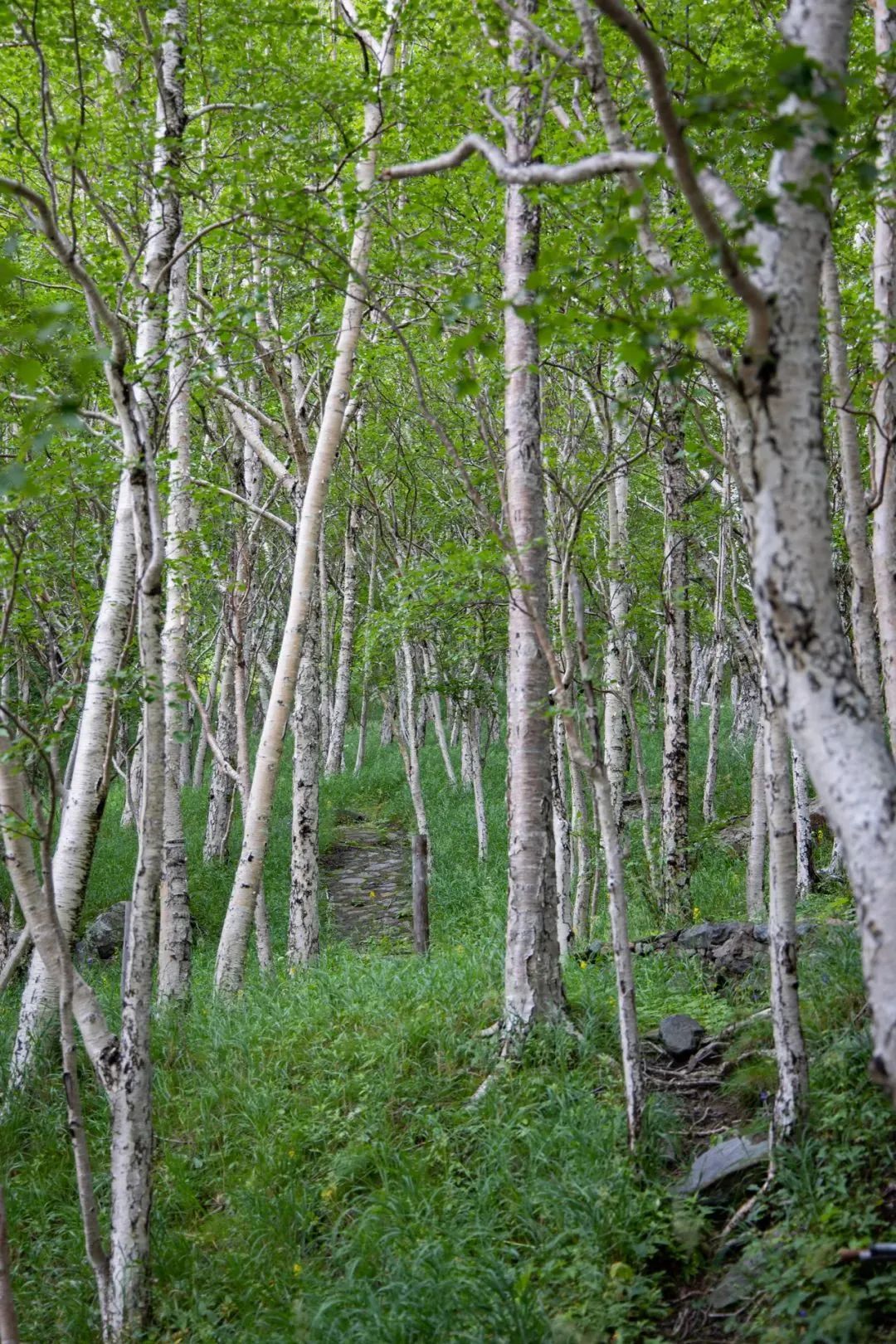
# Betula ermanii: Hardy Alpine Birch With Rich Ecological, Practical and Landscape Value Standing along the high mountain ridges of Changbai Mountain, you will easily spot Betula ermanii, also widely known as Erman’s birch. Unlike straight and neat low-altitude birch trees, this unique deciduous tree often grows twisted, bent and short-statured, struggling against fierce mountain winds, freezing winters and thin barren soil. It is the undisputed dominant tree at alpine treeline zones, surviving harsh environments that almost no other large woody plants can bear. Having wandered high-altitude forest areas many times, I deeply admire how tough and meaningful this quiet mountain tree is. It carries irreplaceable ecological duties, reliable practical uses and delicate ornamental charm, far beyond what ordinary people imagine. Betula ermanii has very distinctive appearance traits. Mature trees usually reach 15–20 meters tall, while high-altitude wind-shaped individuals stay short and curved. Its trunk bark is smooth, pale white to creamy grey, peeling naturally in thin horizontal sheets, with reddish-brown twigs that look graceful yet sturdy. Oval leaves with sharp double serrations stay fresh dark green in summer, turning warm golden yellow in autumn, painting bright colors on bleak mountain slopes. Yellow-brown catkins bloom together with new leaves in late spring, and small winged seeds ripen from August to September, spreading freely along mountain winds. Adapted to long-term strong gales, its trunks often tilt noticeably, with thicker bark than common birches, greatly resisting wind damage and cold frost. Ornamental landscaping is one of its most popular modern uses. Thanks to its unique peeling bark, elegant tree shape and stunning autumn golden foliage, Erman’s birch is widely planted as landscape specimen trees in cold-climate gardens, parks and street green belts. It fits perfectly into natural wild-style gardens, mountain-view landscapes and woodland arrangements. Unlike fragile ornamental trees, it needs little daily care. It stays tidy and beautiful all year round, adding wild natural beauty to artificial landscapes. Many northern scenic areas also use large patches of Betula ermanii forests as iconic sightseeing scenery, attracting countless visitors to enjoy autumn golden woods and unique bent alpine forest views. Ecological value makes Betula ermanii the most precious guardian of high mountain ecosystems. It is a typical pioneer tree after forest damage. It quickly colonizes barren volcanic soil, damaged slopes and cleared woodland areas, improving poor soil quality gradually. Its dense deep roots firmly fix loose mountain soil, effectively preventing water loss and soil erosion on steep slopes, and playing a key role in water conservation at alpine watersheds. As the core tree of treeline vegetation, it forms stable transition zones between coniferous forests and alpine meadows, maintaining complete vertical plant diversity. Its branches and leaves provide shelter and food sources for mountain birds, insects and small mammals, supporting the whole local food chain. Fallen leaves decompose slowly to nourish thin mountain soil, creating suitable growing conditions for more slow-growing long-lived coniferous trees to survive later. This tree also holds practical economic and traditional medicinal uses. Its wood is hard, fine-textured and durable, suitable for making building materials, daily wooden tools, sleepers and small craft furniture. Bark and leaves can be processed into natural plant dyes with stable color effects. In traditional folk herbal medicine, dried Betula ermanii bark has natural anti-inflammatory, astringent and wound-healing properties. Local mountain healers use crushed bark to treat external wounds, skin ulcers and chronic damp skin problems, helping damaged skin heal quickly and relieve swelling and irritation. Modern studies also find abundant active flavonoid compounds inside the plant, matching its long-used folk healing effects. Still, casual self-medication is never recommended, as improper dosage may cause discomfort. ## Simple Growing & Maintenance Tips Betula ermanii is extremely hardy, but proper planting habits keep it healthy and well-shaped: – It loves full sunlight and well-drained mountain-style soil, tolerates poor barren land, heavy frost and strong winds extremely well, but hates waterlogged wet ground that causes root rot. – Keep natural rainfall watering mostly after seedlings take root; extra irrigation is rarely needed in cold humid mountain climates. – Prune messy overgrown branches lightly in late winter. Do not heavy-prune large trunks, as alpine-shaped curved branches are its unique ornamental feature. – Avoid planting it in low-lying sticky heavy soil. Keep it away from overly warm humid southern areas, as it cannot adapt to long hot summer weather. – It rarely suffers pests and diseases, naturally resisting cold insect damage, making it almost maintenance-free in suitable cold regions. All year round, Betula ermanii stands quietly on cold mountain ridges. It bends against storms but never breaks, greening barren slopes, protecting mountain earth and bringing beauty to wild landscapes. It is not a delicate fancy garden tree, but a tough, loyal mountain warrior. Every twisted trunk and golden autumn leaf tells how life survives and thrives in extreme environments. Understanding its uses and habits lets us better protect these rare alpine forest resources, and keep the unique natural scenery of high mountain birch woods forever.