


Iris hexagona seed
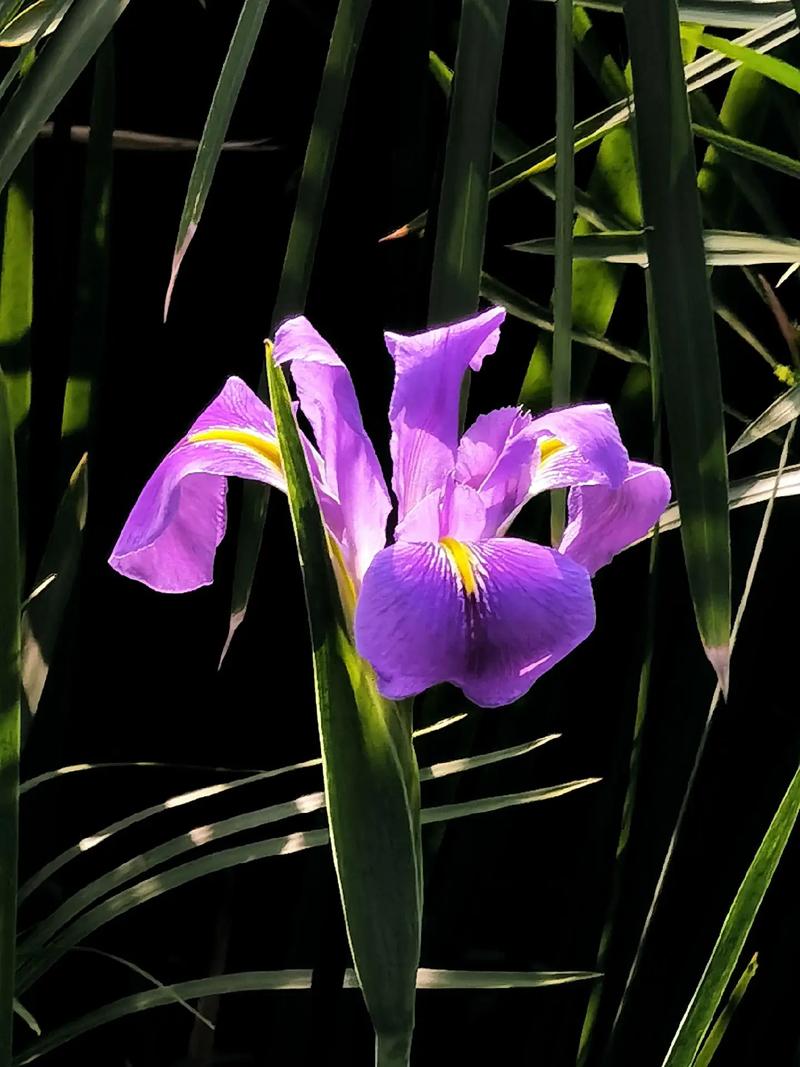
LATIN NAME: IRIS HEXAGONA
COMMON NAME: Dixie Iris, Six-angled Iris
The Iris hexagona, or Dixie iris, is one of the most beautiful and distinctive of the North American irises, and its tall, upright stems and its large, blue or purple, six-angled flowers have made it a favourite of the wetland gardens and the iris collections across the southeastern United States. It grows as a tall, upright, herbaceous perennial of the iris family, reaching up to a metre or more, with the upright, branching stems bearing the long, sword-shaped, bright-green leaves and, in the spring, the large, blue or purple, six-angled flowers with the broad, spreading falls and the upright standards, followed by the six-angled, green seed capsules. It is a species of the flowering herb, native to the wetlands, the swamps and the streamsides of the southeastern United States, while it has been cultivated in the gardens for its flowers, and it is known as the Dixie iris or the six-angled iris.
Scientific Research & Plant Biotechnology
The Dixie iris has a real and distinguished place in research. It has been studied in the horticulture and the iris science, since the Iris hexagona is a popular, beautiful iris for the wetland garden and the iris collection, and the researchers and the breeders have examined its many forms, its breeding and its cultivation, while the study of the irises has drawn attention in the international horticultural press. The plant has also been studied in the ecology and the wetland science, since the Dixie iris is a plant of the wetlands and the swamps of the southeastern United States, and the researchers have examined its habitat, its role in the wetland ecosystems and its conservation, while the study of the wetland plants has been of continuing interest. The species has also been studied in the genetics and the plant science, since the irises are a diverse and important group of the plants, and the researchers have examined their genetics, their evolution and their relationships, while the large, blue flowers and the six-angled capsules of the Dixie iris have been of interest to the botanists and the gardeners. For a flower of such beauty, the Iris hexagona has a rich and distinguished record of research.
Ecological & Economic Value & Wide Applications
To grow the Dixie Iris from seed, the Dixie iris is a tall, upright, herbaceous perennial of the wetlands, bearing the long, sword-shaped leaves and the large, blue or purple flowers in the spring. Its flowers are a magnet for the bees and the other pollinators, and its tall, upright habit gives a fine presence in the wetland garden and the iris bed, while its tolerance of the wet conditions makes it a valuable plant for the water’s edge. Its economic value is real: the Dixie iris is prized as a beautiful, wetland iris for the garden and the iris collection, and its value has drawn attention in the international horticultural press, while the large, blue flowers and the easy cultivation have made it a favourite of the wetland gardens and the iris collections, and the plant is a fine addition to the wetland garden, the iris bed and the water’s edge. To raise the Dixie iris, sow the seeds in pots of moist, open soil in a cool, bright place, keep them gently watered, and grow the little plants on in the sun.
sow the seeds in pots of moist, open soil in a cool, bright place, keep the young iris gently watered, and grow the little plants on in the sun.
Iris hexagona: Uses, Benefits, and Ecological Importance
Iris hexagona, commonly known as the Dixie iris or Louisiana iris, is a species of flowering plant in the Iridaceae family. Native to the southeastern United States, particularly in marshy or wetland areas, it is admired for its large, showy flowers and its adaptability to aquatic environments. This species is one of several that contribute to the popular group known as Louisiana irises.
Botanical Description
-
Growth Habit: Iris hexagona is a rhizomatous perennial plant that typically grows 2 to 4 feet (60–120 cm) tall.
-
Leaves: Long, sword-like, and arranged in a fan shape.
-
Flowers: Showy and elegant, often blue to violet, sometimes lavender or white. Each flower has six segments (hence the name “hexagona”), and blooms in spring to early summer.
-
Habitat: Found naturally in swamps, ditches, and wet meadows. Prefers full sun to partial shade and thrives in moist to saturated soils.
Uses and Applications
1. Ornamental and Landscaping Value
-
Garden Planting: Iris hexagona is widely cultivated as an ornamental plant due to its beautiful and large blossoms. It is especially favored in water gardens, bog gardens, and rain gardens.
-
Wetland Restoration: Its tolerance for flooding and saturated soils makes it valuable for wetland and habitat restoration projects in the southeastern U.S.
2. Ecological Significance
-
Pollinator Support: The plant attracts bees, butterflies, and other pollinators. Its early blooms provide nectar in spring when food sources may still be limited.
-
Erosion Control: The dense rhizome root system helps stabilize soil in wetlands, preventing erosion and maintaining wetland integrity.
3. Cultural Importance
-
Louisiana Iris Group: Iris hexagona is one of the foundational species of the Louisiana irises, which are extensively hybridized for horticulture. These hybrids are a celebrated part of southern gardening and floral culture.
4. Educational and Botanical Interest
-
Due to its clear structure and adaptability, it is used in botany and ecology courses for plant identification, pollination studies, and wetland ecosystem teaching.
Medicinal or Traditional Uses
Iris hexagona is not known for significant medicinal use in modern herbalism. However:
-
Some Native American tribes have used related iris species for external applications, such as poultices or salves for wounds or skin ailments.
-
Caution is required, as the rhizomes and other parts of the plant contain potentially toxic compounds (such as iridin) that can cause irritation or gastrointestinal upset if ingested.
Toxicity and Safety
-
Toxic if Ingested: All parts of the plant, particularly the rhizomes, may cause nausea, vomiting, or skin irritation in humans and pets.
-
It is not recommended for use in herbal medicine without proper knowledge and guidance.
Conservation Status
-
Iris hexagona is not currently listed as endangered, but its wetland habitats are under increasing pressure from development, drainage, and pollution.
-
Conservation efforts to preserve natural wetlands indirectly help protect this species and its ecosystem.
Conclusion
Iris hexagona is more than just a beautiful flower—it is a vital part of southeastern wetland ecosystems. Its ornamental value, ecological contributions, and role in horticultural breeding make it a significant species for both gardeners and environmentalists. Although it lacks major medicinal applications, its importance in biodiversity and landscape design is undeniable.