


Iris florentica Seeds | Florentine Iris
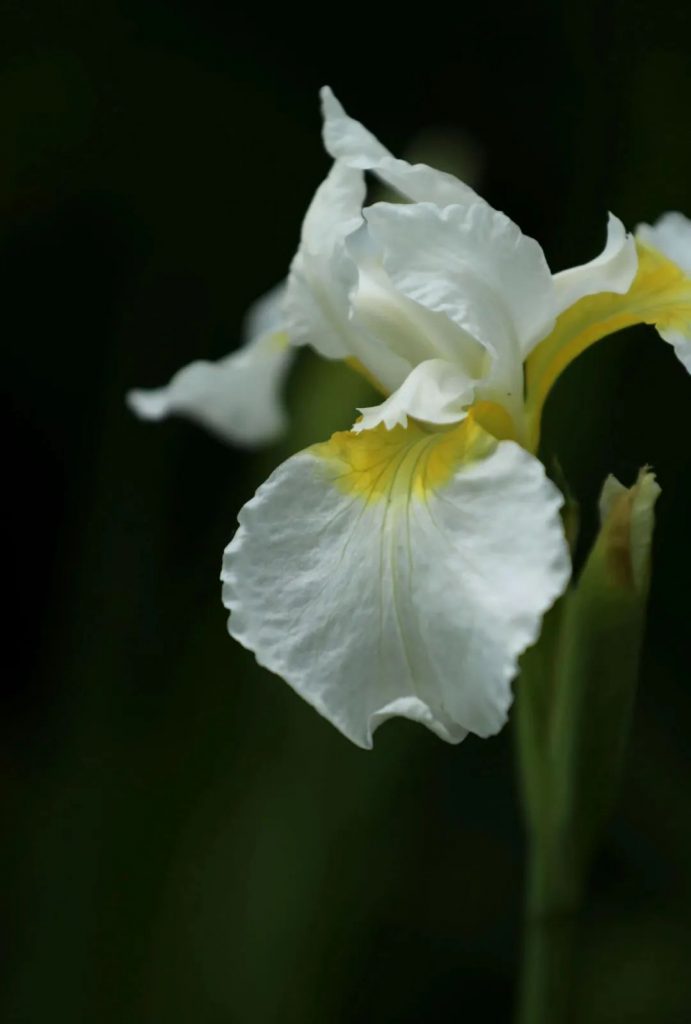
LATIN NAME: Iris florentica
COMMON NAME: Florentine Iris
Plant Profile
Florentine iris is the orris iris, a white-flowered bearded iris grown for two thousand years for the violet scent of its dried rhizome. It makes a stiff fan of grey-green leaves sixty to ninety centimetres tall and, in late spring, stems carrying two or three large, papery white flowers with a faint blue flush and a yellow beard. The plant sets almost no seed and spreads by rhizome, forming dense clumps that take three years to reach the size at which the root can be lifted. It is a plant of hot, dry, stony ground, and it was once grown as a field crop around Florence, hence the name. The rhizome, dried and aged, is the source of orris butter, one of the most expensive materials in perfumery.
Science & Biotechnology
The violet scent of orris does not exist in the fresh rhizome. It develops over two to three years of drying, as iridals and their glycosides break down into irones, the ketones responsible for the smell, and the quality depends on the age and the storage conditions. That slow chemistry is why orris butter costs more than most essential oils and why the crop is only economic where labour is cheap and land is poor. Florentine iris is a sterile hybrid, probably of Iris germanica and Iris pallida parentage, and it is triploid like the white cemetery iris. Its rhizome also contains iridin, an irritant that was once used as a purge and that makes handling the fresh root unpleasant. The plant is now grown mainly in Italy, Morocco and China for the perfume trade.
Uses & Benefits
The dried rhizome is ground and distilled for orris butter, used in perfumery as a fixative and as a violet note in powders, soaps and cosmetics, and in the past as a breath freshener and a tooth powder. The flowers are grown for cutting and for the border, where their papery white petals and early season make them useful. The plant is also a good dry-garden iris, tolerating heat, drought and poor soil, and it is long-lived if the rhizomes are kept dry in winter. It is not edible, and the fresh root is toxic in quantity. In the garden it needs full sun and a position where the rhizome bakes, and it should be divided every three to four years to keep it flowering. Its scent is only released from the dried root, not from the flower.
Growing from Seed
The plant is sterile and must be grown from rhizomes, planted in late summer with the top exposed and the roots spread. Choose the hottest, best-drained spot in the garden, and add grit and lime if the soil is heavy or acid. Water once at planting, then leave it alone; too much water rots the rhizome and produces leaf at the expense of flower. Space the rhizomes forty centimetres apart and keep them free of competing plants. Lift and divide every three or four years, in late summer, discarding the old centre. If you want orris, lift roots from three-year-old clumps, wash them, peel them and dry them in a warm, airy place for two years before grinding.
Our Take
The iris behind orris butter, and a plant that turns a dried root into the smell of violets. Hot, dry ground and patience.
Related Reading
More species in the same orbit as Florentine Iris: