


Salvia lavandulifolia Seeds | Spanish Sage
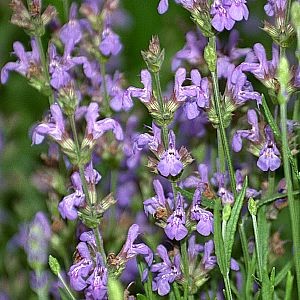
LATIN NAME: Salvia lavandulifolia
COMMON NAME: Spanish Sage
Plant Profile
A distinctive member of its genus, Spanish Sage (Salvia lavandulifolia) is a shrub in the mint family. The Spanish sage is narrow-leafed one, made for dry slope and lavender-blue spikes. Leaves carry fine, sharp, piney-sage scent, and plant is a fine, easy presence of dry border, rock garden and the pot. It is a plant of open, sunny, very well-drained ground. Through the flowering season it keeps visiting bees well supplied. Few species give back so generously for so little effort.
Science & Biotechnology
Research touching on Salvia lavandulifolia ranges from the botany of the mint family to practical horticulture, including seed handling, propagation and the selection of superior forms. Contemporary seed practice means a grower can raise it confidently with standard techniques.
Uses & Benefits
Beyond its ornamental appeal, Spanish Sage has the practical versatility that makes a plant worth growing from seed year after year. The Spanish sage is a fine, easy plant of dry garden and rock bank. Short, upright spikes of lavender-blue flowers open through late spring and summer, drawing bees, and narrow, grey-green leaves carry fine, sharp, piney-sage scent through the year. Once it has settled, the workload drops to almost nothing.
Spanish sage is the subject of memory research: small human studies have examined its essential oil for cognitive support, making it one of the more promising sages for the aging mind.
Growing from Seed
Spanish Sage grows readily from seed. Use a fine, free-draining seed compost, scatter the seed evenly, cover it lightly and hold it just moist in good light. When the young plants are big enough to handle, space them into pots or a nursery row and let them size up before their final move.
Our Take
Its long record of traditional use, described above, gives the plant a story beyond ornament. Spanish Sage is the kind of plant that rewards a permanent spot. Minor errors in timing or watering rarely cost the grower the crop.
Related Reading
Readers interested in Spanish Sage frequently explore these as well: