


Salvia sclarea Seeds | Clary Sage
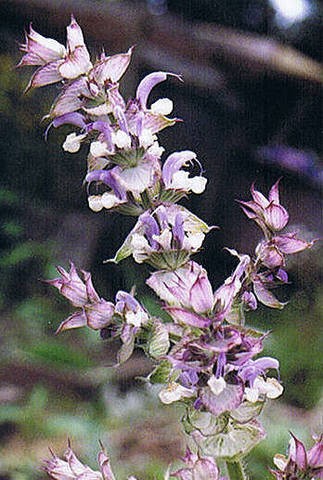
LATIN NAME: Salvia sclarea
COMMON NAME: Clary Sage
Plant Profile
Clary Sage (Salvia sclarea) is an upright, robust, biennial in the mint family. Clary sage raises its tall, branching spikes of hooded, white and pink flowers, and large, wrinkled, softly hairy leaves fill base of the plant. It is a plant of open, sunny, deep, well-drained ground. The flowering period doubles as a feeding season for bees and other pollinators. Each of these traits is modest on its own; together they make a garden-worthy plant.
Science & Biotechnology
Botanists studying the mint family regularly include Salvia sclarea in comparative work, and the species also appears in horticultural trials aimed at gardeners and growers. Because it has been grown for so long, its garden habits are thoroughly documented.
Uses & Benefits
Gardeners value Clary Sage for its ornamental character, and the plant also fits naturally into herb, vegetable and cutting gardens. Clary sage is a fine, bold plant of border and herb garden. It is a fine, bold plant of open, sunny, deep, well-drained garden. Give young plants deep, well-drained bed, and hooded spikes will rise in second season. Mature plants need little attention in a well-chosen position.
Clary sage yields one of aromatherapy’s most valued essential oils, traditionally used for women’s monthly comfort, and its flowers flavor vermouths and perfumes.
Growing from Seed
Sow fresh seed of Clary Sage under ordinary good conditions. Fill a pot with a light seed compost, sow evenly on the surface, cover thinly and stand it somewhere warm, bright and evenly moist. Prick the seedlings out once they are large enough to handle, grow them on in bright light, and plant out when conditions allow.
Our Take
The traditional uses covered above are what first made this species worth cultivating. Clary Sage has real presence in the garden without demanding much in return. Even moisture while the seed is chitting is the main thing; afterwards it largely looks after itself.
Related Reading
Continue exploring with these related plants: