


Mentha spicata Seeds | Menthol Mint / Spearmint
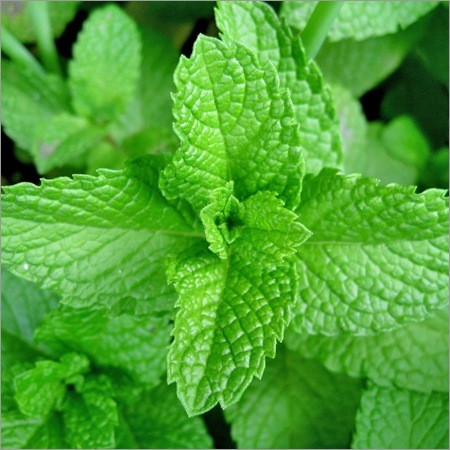
LATIN NAME: Mentha spicata
COMMON NAME: Menthol Mint / Spearmint
Plant Profile
Spearmint is a perennial that spreads by underground runners, forming a wide patch of upright stems over a few seasons. The stems are square, the leaves bright green, pointed and toothed, with a wrinkled surface that traps the oil-bearing hairs. Left alone the clump will travel, which is exactly what makes it both generous and a little unruly in a small bed.
The absence of menthol is not a defect but a different chemical strategy. Carvone dominates the leaf oil, often making up the bulk of the volatile fraction, while menthol and menthone stay at trace levels. Sensory panels and distillation assays both confirm the carvone-led profile, which is why food manufacturers specify spearmint oil when they want a sweet mint note for chewing gum, toothpaste and cordial without the harsh cooling.
In the kitchen spearmint is the mint of choice for lamb, for yoghurt sauces and for the bright herbal teas of the Levant and North Africa. A handful of torn leaves lifts peas, new potatoes and summer salads, and the dried leaf holds its scent better than most mints. It pairs naturally with lemon, cucumber and garlic, and it is the herb behind the sweet mint colouring of classic jellies.
The easiest way to keep spearmint from colonising the whole border is to plant it in a buried pot or a bottomless container sunk into the ground, which walls in the runners. Even so, check the edges each season and pull any escapees before they root. A contained mint is a happy mint.
Cut the stems back hard after the main flush to force a fresh crop of tender leaves, and repeat through the warm months. Remove flowered tops if you want leaf rather than seed, since blooming shifts energy away from foliage and coarsens the taste.
Science & Biotechnology
The single fact that separates spearmint from every other mint on the shelf is one molecule: carvone. Peppermint cools the mouth because it is built on menthol, but spearmint contains almost none of that compound and instead carries carvone, the ketone responsible for its sweet, rounded, slightly fruity aroma. That is why spearmint never leaves the icy burn that peppermint does; it tastes of mint without the chill. The two plants are close relatives, yet their oils sit at opposite ends of the sensory scale, and carvone is the switch.
Uses & Benefits
Spearmint’s gentle, sweet mint has travelled a long way from its Old World roots. The Romans brushed it onto tables and into tooth powders, and herbalists later kept it as a stomach-settling brew, which is why dried spearmint sits in the apothecary tradition as well as the kitchen. What changed its scale was the modern confectionery and oral-care trade, where carvone-rich oil became the standard sweet mint for chewing gum and toothpaste in markets that prefer it to the sharper menthol note. That shift turned a humble garden herb into a globally traded aromatic, distilled by the tonne to keep the sweet aisle stocked.
The reason manufacturers reach for spearmint oil rather than peppermint in certain products is precisely the absence of menthol’s chilling burn. Carvone gives a rounded, fruity mint that reads as sweet rather than medicinal, so it pairs better with sugar and fruit flavours. Sensory panels consistently rate spearmint as the friendlier mint for children’s products and for mint sauces where a soft note is wanted.
Spearmint oil is produced at scale by steam distillation of the cut herb, with the carvone-rich oil used across food, oral care and fragrance. At the garden scale the same leaves that yield oil are also candied: whole young leaves dipped in sugar become a classic confection and a decorative touch for desserts. The leaves are also the base of many a mint sauce and lamb jelly, where the sweet carvone note is the point.
Growing from Seed
Breeding work on spearmint focuses on lifting and stabilising carvone while suppressing off-notes from limonene and other terpenes. Because the plant spreads by runners and rarely sets useful seed, elite lines are usually maintained as clones, and selection favours vigorous, disease-tolerant clones that also oil well. Tissue culture is used to clean planting stock of the viruses that otherwise accumulate in old mint beds and drag down both yield and aroma.
Set spearmint in moisture-retentive soil in sun or light shade, planting a root division or a young pot rather than expecting a tidy clump from seed. The runners will do the rest. Keep the soil consistently damp but not waterlogged, and lift and replant a portion every few seasons to keep the patch young and productive.
Our Take
For the menthol side of the family, see peppermint and the cornmint crop Mentha arvensis; a longer-leaved wild type appears as Mentha longifolia seed. Catnip fans may also like catnip nearby.
Related Reading
Gardeners who grow Menthol Mint / Spearmint often pair it with these related subjects: