


Nepeta cataria subsp. citriodora Seeds | Lemon Catnip
LATIN NAME: Nepeta cataria subsp. Citriodora
COMMON NAME: Lemon Catnip
Plant Profile
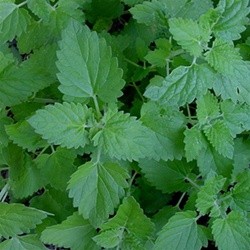
Lemon catnip is a bushy perennial with the soft, slightly hairy, grey-green foliage typical of catmint, but the lemon form carries a cleaner, more refreshing scent when bruised. The stems are square and branching, and the plant forms a rounded mound that flowers through the warm months. Bees work it heavily, and the leaves can be used much like lemon balm, though the catnip lineage gives them a different, herbier depth.
For all the citrus on top, lemon catnip still produces nepetalactone in its glandular hairs, the iridoid that triggers the well-known feline response. That is why a cat will roll on this plant just as on ordinary catnip, even though the human nose reads lemon first. It is a useful reminder that the lemon character is an added layer, not a replacement, of the catnip chemistry.
Catnip and its relatives form a large genus of grey-leaved mints, but the citriodora form is singled out for its citrus oil, a trait breeders select when they want a catmint that doubles as a lemon herb. The lemon character is stable enough that the plant is sold under its own name rather than merely as a catnip variant, and it crosses poorly with the straight species in the garden, which keeps the scent distinct. Growers who want both the feline draw and the kitchen lemon note therefore grow the two side by side rather than expecting one plant to deliver both at full strength.
Despite the lemon overlay, the plant retains enough nepetalactone in its foliage to trigger the classic feline response, so a cat will still hug and roll on it. The human nose simply reads the citrus first, which can be surprising the first time a cat ignores a pot of lemon balm but worships this one. It is a neat example of two different olfactory worlds reading the same leaf.
Science & Biotechnology
Ordinary catnip smells of green mint and a faint must, but this subspecies takes a hard left turn toward citrus. Crush a leaf of lemon catnip and the air fills with citronellal and nerol, the same class of compounds that give lemon balm and lemon geranium their snap. The plant is still a catnip at heart, carrying the nepetalactone that sends cats into raptures, yet the leaf oil is led by a bright lemon note that the straight species lacks. Growers value it precisely because it keeps the feline appeal while smelling like a squeeze of fruit in the kitchen.
Uses & Benefits
The flowers are carried in dense whorls, white or pale lilac with small spots, stacked along the upper stems. Each whorl is a neat landing platform for bees, and a planting in full sun will hum through the day. The bloom is long, which makes the lemon form a dependable pollinator plant as well as a culinary one.
The leaves dry well and make a gentle, lemon-edged herbal tea that suits the evening. Harvest the soft tip growth before the flowers open for the best scent, and dry it quickly in shade so the volatile oils are not lost to heat and light. The dried leaf also goes into potpourri and simple sachets, where the lemon note is a welcome change from heavier herbs.
Growing from Seed
Sow the fine seed across the top of a warm, moist seedbed and press it in without covering deeply, since light helps it along. Thin the seedlings once they stand, and move strong young plants into the open ground or containers. The perennial establishes quickly and will reward a second sowing with successive batches of tender tips.
Once the seedlings have made a couple of pairs of true leaves, thin so the survivors are not crowded, which keeps air moving and limits the mildew that catmints can pick up in damp weather. The thinned tips are not wasted; they can be dried or used fresh.
Pinch the growing tips early and again after each cut to build a dense, rounded mound rather than a few leggy stems. A bushier plant also hides the bare base that catnips develop if left untrimmed, and it produces far more leaf for the kitchen.
Lemon catnip is hardy and returns from the crown each year; in cold gardens a light mulch over the base protects the root and encourages an early start. Cut the old stems to the ground in late winter so the fresh lemon-scented growth has room to come through.
Our Take
For the straight species, see catnip, and for the mint that shares its bed try spearmint. A related lemon-scented member of the family appears as Schizonepeta seed, while bergamot brings a different bee-friendly show.
Related Reading
Continue exploring with these related plants: