


Nepeta tenuifolia Seeds | Fine-leaved Catmint
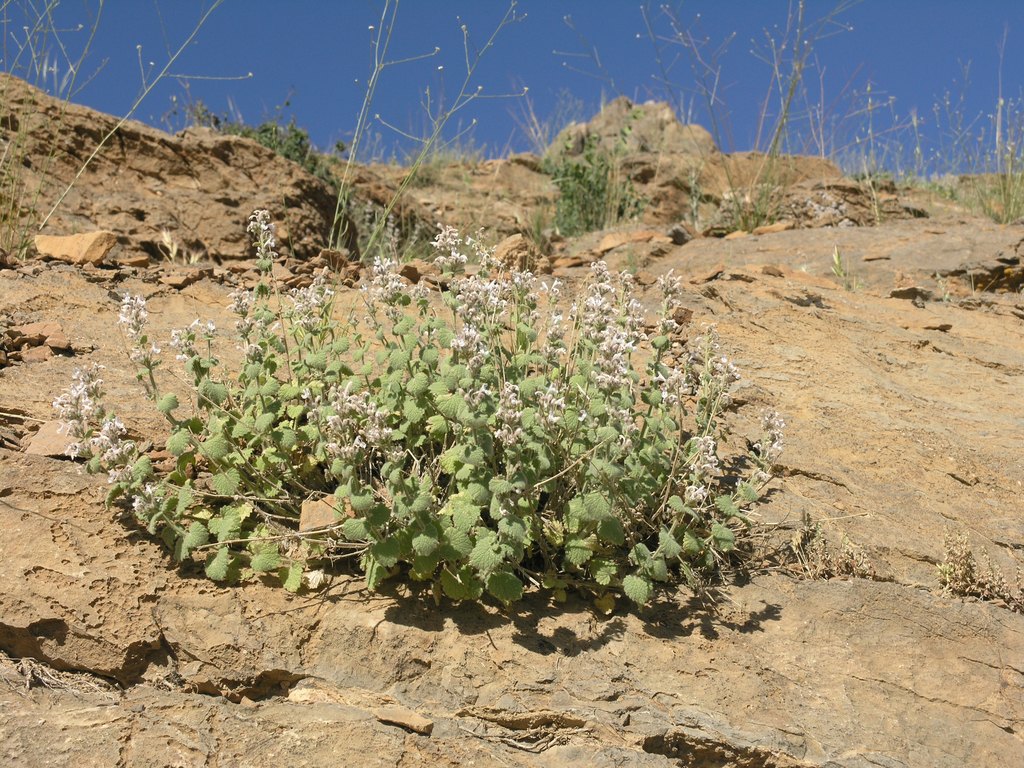
LATIN NAME: Nepeta tenuifolia
COMMON NAME: Fine-leaved Catmint
Plant Profile
Nepeta tenuifolia is an annual or short-lived perennial of the Lamiaceae, native to China and Korea, where it grows on dry slopes and in cultivated ground. It is 60 to 90 cm tall, with finely cut, grey-green leaves and spikes of small pale purple flowers in late summer.
The leaves are deeply divided, almost thread-like, which gives the plant a feathery look unlike the broad leaves of common catmint, N. cataria. The scent is strong and minty with a hint of lemon, and crushing the leaves releases most of it.
In Chinese medicine the dried aerial parts, known as jing jie, rank among the most important herbs. They go into colds, fevers, headaches and skin complaints, and appear in many classical formulas, usually in combination with other herbs. The pairings matter as much as the herb.
A herb and an ornamental at once, it belongs to the few catmints grown for foliage rather than flowers. It also handles drought and poor soil better than most, which makes it a good choice for a dry, sunny border.
Science & Biotechnology
Nepeta is a genus of about 250 species in the Lamiaceae, and it is characterised by the aromatic foliage and by the two-lipped flowers. The genus is centred on the Mediterranean and western Asia, with a secondary centre in China, where N. tenuifolia and its relatives are found.
The essential oil is dominated by pulegone and menthone, which give it a minty, slightly bitter scent. Both compounds also occur in pennyroyal and turn toxic in large doses, so the herb is used in small quantities and under supervision.
The genus has a base chromosome number of x = 9, and the species vary in ploidy. The Chinese species are less well known in the West than the European ones, and several of them have been used in medicine for centuries without being studied scientifically until recently.
Bees and butterflies pollinate the flowers, and the plant is self-compatible, so it sets seed freely and can become a minor weed in a herb garden. The seed is a small nutlet and germinates without pretreatment, which makes it easy to raise and easy to spread. The Lamiaceae list also carries Nepeta × faassenii, Clinopodium chinense and Elsholtzia stauntoni.
Uses & Benefits
Herb gardens, borders and containers all suit it, where fine foliage and scent carry the show, and pollinators work the flowers in late summer. Chinese medicine uses it to induce sweating and to relieve the early stages of a cold, often paired with fang feng (Saposhnikovia) for wind-cold. The oil has been studied for anti-inflammatory and antiviral activity.
The plant is edible in small quantities, and the leaves flavour food much as other mints do. Dried, it goes into teas and decoctions, and Chinese pharmacy uses it more widely than almost any other herb in the materia medica.
Rich borders make it grow soft and floppy, and a wet site will rot the crown. What it wants is a dry, sunny spot where the scent and the fine foliage show to best advantage, and where the soil drains fast after rain. Mulch with grit to keep the crown dry, and cut the stems back by half after the first flush so the plant stays compact into autumn.
Growing from Seed
Sow indoors six to eight weeks before the last frost at 18 to 22 °C, on the surface and only just covered, since the seed needs light. Expect the tray to be up within a fortnight in a warm room.
Move the seedlings into small pots and hold them at 15 °C. After the frosts, space them 30 cm apart in full sun with good drainage. It will grow on poor ground and never asks for a feed. Water the first season, then only in a dry fortnight. Pinch the growing tips to encourage branching and to keep the plant bushy. Harvest the leaves before flowering for the highest oil content, and dry them in a dark, airy place.
The plant self-sows where it is happy, and in a mild climate it will return every year without being sown. In a cold one it behaves as an annual, and it must be resown each spring. Leave the last flowers to set seed and it will do the rest.
Our Take
Nepeta tenuifolia is a useful herb and a good garden plant, and it deserves to be better known outside China. Its fine foliage and its scent are a pleasure, and its medicinal value is well established at home. Grow it in a herb garden or a dry border, harvest before flowering, and use it in teas and in cooking. It earns its place twice over. Harvest the stems just as the first flowers open, when the oil is at its strongest.
Related Reading
Readers interested in Fine-leaved Catmint frequently explore these as well: