


Satureja montana Seeds | Winter Savory
LATIN NAME: Satureja montana
COMMON NAME: Winter Savory
Plant Profile
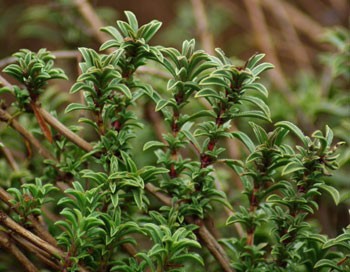
Winter Savory (Satureja montana) is a low, semi-evergreen subshrub of the mint family (Lamiaceae), native to the dry, rocky slopes of southern Europe and the Mediterranean. It reaches 30-40 cm, with narrow, dark-green, peppery leaves and small white to pale lilac flowers through summer. Hardy and drought-tolerant, it is valued both as a culinary herb, especially with beans and meats, and as a neat edging plant for sunny, well-drained ground.
Science & Biotechnology
Seed science, comparative botany and horticultural selection all touch on Satureja montana, a representative of the Satureja group with clear practical value. Satureja montana is studied as an aromatic plant because its essential-oil profile contains monoterpenes and other volatile compounds whose proportions can vary with genetics, environment, plant maturity and extraction method. From a research perspective, species of this kind are valuable material for work on propagation and on the selection of uniform lines.
Uses & Benefits
Beyond its ornamental appeal, Winter Savory has the practical versatility that makes a plant worth growing from seed year after year. Winter savory has a long culinary tradition. Its leaves are used fresh or dried with beans, vegetables, meats, sauces and herb mixtures, where warm peppery aroma can add depth without sweetness of many softer herbs. Compact evergreen form also suits herb gardens, rock gardens and dry, sunny planting schemes where drainage is good. Given the right start, it carries on with minimal intervention.
Savory is the bean herb of European kitchens, traditionally paired with legumes to ease their gas, and its carvacrol-rich oil is a studied antimicrobial; winter savory is the classic, summer savory the sweeter.
Growing from Seed
Sow fresh seed of Winter Savory under ordinary good conditions. Sow seed in a fine, well-drained growing medium and cover it only lightly. Provide bright light, moderate moisture and good air movement as young plants establish. Sow evenly over the surface and cover lightly into a loose, well-drained seed compost, water in gently, and keep the sowing in full sun with steady moisture. Pot the young plants on as they grow, harden them off gradually, and plant them into their final positions when sturdy.
Our Take
Among the Satureja group, it is one of the more distinctive species in cultivation. Part of this plant’s appeal is the long practical history summarized above. From then on, routine care is all that is required.
Related Reading
Readers interested in Winter Savory frequently explore these as well: