


Satureja hortensis Seeds | Summer Savory
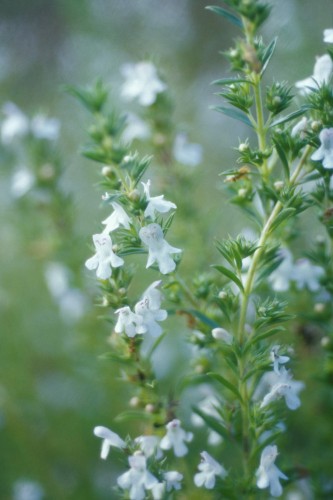
LATIN NAME: Satureja hortensis
COMMON NAME: Summer Savory
Plant Profile
Summer Savory (Satureja hortensis) is a low, bushy, annual in the mint family. Summer savory spreads its narrow, dark-green leaves and small, white or pink flowers, and the whole plant carries the fine, warm, peppery scent. It is a plant of open, sunny, deep, well-drained ground. When it flowers, local bees and other insects make good use of it. It is hard to name another plant that gives this much for this little trouble.
Science & Biotechnology
As part of the mint family, Satureja hortensis contributes to research on plant classification and adaptation, while nurseries and gardeners continue to trial it for cultivation. Gardeners benefit directly from its long cultivation: what the plant will do in a garden is well understood.
Uses & Benefits
Summer Savory works well in borders, containers and dedicated beds. Summer savory is a fine, generous herb of herb garden and study collection. It is a fine, generous herb of open, sunny, deep, well-drained garden. Give young plants deep, well-drained bed, and peppery leaves will fill the summer. It takes hold quickly and asks for no special treatment from then on.
Savory is the bean herb of European kitchens, traditionally paired with legumes to ease their gas, and its carvacrol-rich oil is a studied antimicrobial; winter savory is the classic, summer savory the sweeter.
Growing from Seed
Sow fresh seed of Summer Savory under ordinary good conditions. Sow on the surface of a gritty, well-drained mix, cover lightly with fine compost, and maintain gentle, even moisture in a sunny position. Pot the young plants on as they grow, harden them off gradually, and plant them into their final positions when sturdy.
Our Take
The traditional uses covered above are what first made this species worth cultivating. Given the right start, Summer Savory is a long-term garden companion. Sun and good drainage cover most of its demands.
Related Reading
More species in the same orbit as Summer Savory: