


Ruellia Seeds | Mexican Petunia
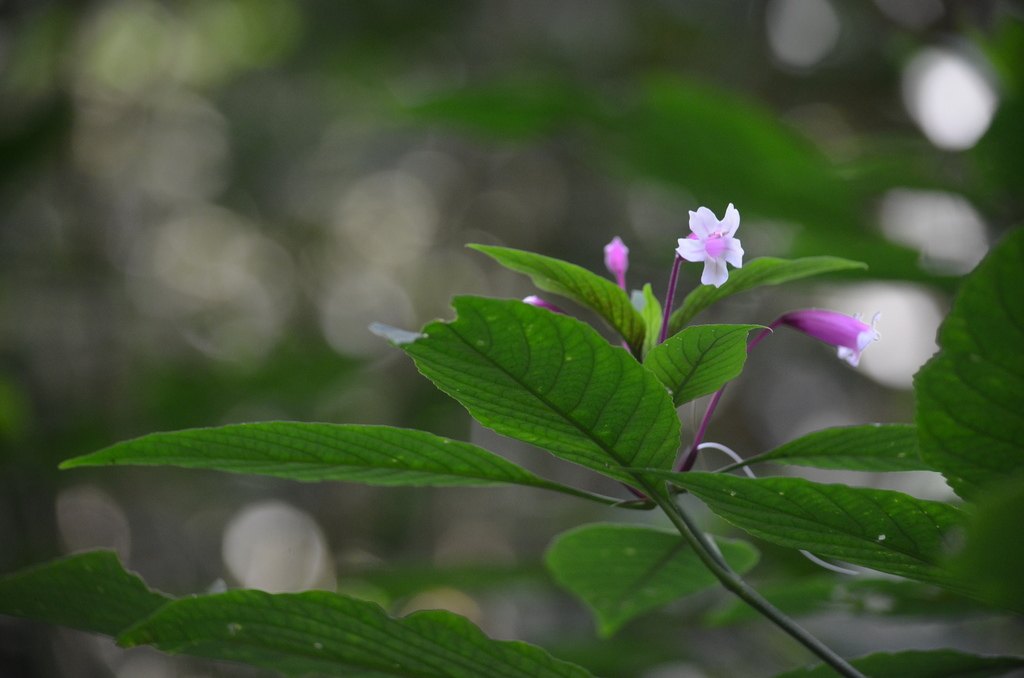
LATIN NAME: Ruellia
COMMON NAME: Mexican Petunia
Plant Profile
Ruellia is a large genus of about three hundred species of perennials, shrubs and small trees in the Acanthaceae, and it is found in the tropics and warm temperate regions of both hemispheres. The species in cultivation are mostly low perennials from Mexico and South America, grown for trumpet flowers that open in the morning and fall by evening.
The genus is named for Jean Ruel, a French physician and botanist who published De natura stirpium in 1536, a work that gathered the plant knowledge of the ancient world and added to it. He was a scholar rather than a field man, and the genus was named for him long after his death.
The plants are soft-stemmed and leafy, with opposite leaves and flowers in loose clusters at the ends of the shoots. The corolla is a narrow tube that opens into five lobes, and the colour is usually a clear blue-violet, though white, pink and red forms exist. Each flower lasts one day.
Ruellia simplex was described from Cuba by Charles Wright, an American botanist who collected across the island in the mid-nineteenth century. The epithet means simple, referring to the undivided leaves. It has been spread around the tropics as an ornamental and is now naturalised in many countries. In some of them it is a serious invasive plant.
Science & Biotechnology
The genus has no bracts subtending the flowers, which separates it from Crossandra and from several other genera in the family. The capsule that follows is explosive, and the mechanism is a woody septum that splits and flings the seed a metre or more. The sound is a small click in a quiet garden. Children find it irresistible, and so do some botanists.
The seeds carry a small, water-absorbing structure at the base, and in wet weather it becomes sticky, which helps the seed adhere to soil and to passing animals. The genus also spreads by rhizome, and a single plant can make a colony in two seasons. That is why it is both useful and troublesome. The two traits are the same trait seen from two sides.
Ruellia has been studied for its pollination, which is by long-tongued bees and by hummingbirds in the American species, and for its chemistry, which includes lignans and benzoxazinoids. Some species are used in traditional medicine, and some have shown antiviral activity in the laboratory. Neither has produced a drug, and the studies are early. For more of the Acanthaceae, the list offers Crossandra, Hypoestes phyllostachya and Thunbergia alata.
Uses & Benefits
In the garden the genus is used for late summer colour in hot climates, where little else will flower in the heat and humidity. The plants are also good in containers and at the edge of a path, and they tolerate poor soil. They are not plants for a cold garden. The first frost ends the season abruptly.
In the southern United States, Ruellia simplex has become a common roadside plant, and it is valued by gardeners for exactly the qualities that make it invasive: speed, toughness and free flowering. The trade in the region sells sterile cultivars to limit its spread. That is a sensible compromise, and it is increasingly common in the trade.
There is no food use. Medicinal use is local and unverified, mostly as a wash for skin complaints and a decoction for coughs. The plant is grown for ornament, and in the right climate it ranks among the most willing flowers in the garden. That willingness is its whole character, and its whole risk.
Growing from Seed
Sow in spring at twenty to twenty-four degrees on the surface of a moist mix, and expect germination in two to three weeks. The seed is small and the seedlings are quick, and they can be potted on within a month. Fresh seed is far better than stored. It does not keep well beyond a year.
Plant out after the last frost in sun or light shade and any reasonable soil. Water until established, then only in drought, and cut the plants back in late winter to force fresh growth. They will flower on that new growth within six weeks. That is the whole of the pruning regime, and it suits the plant.
Divide crowded clumps every two or three years, and pull out runners where the plant is spreading too far. In cold climates lift a few roots before the frost and keep them in a frost-free place, or grow the plants as annuals. The second is cheaper and the first is more satisfying, if you have the space.
Our Take
Ruellia is a plant that gives more than it is asked for, which is a quality that cuts both ways. In a warm garden it will flower for months; in a wet one it will take the ground. Both outcomes come from the same vigour. The trade has begun to sell sterile forms for exactly that reason.
Grow it where it can run, or grow it in a pot where it cannot. Either way, it will flower, and the flowers are worth the trouble. They are also worth a close look, precisely because they last only a day.
Related Reading
More species in the same orbit as Mexican Petunia: