


Diascia Seeds | Twinspur
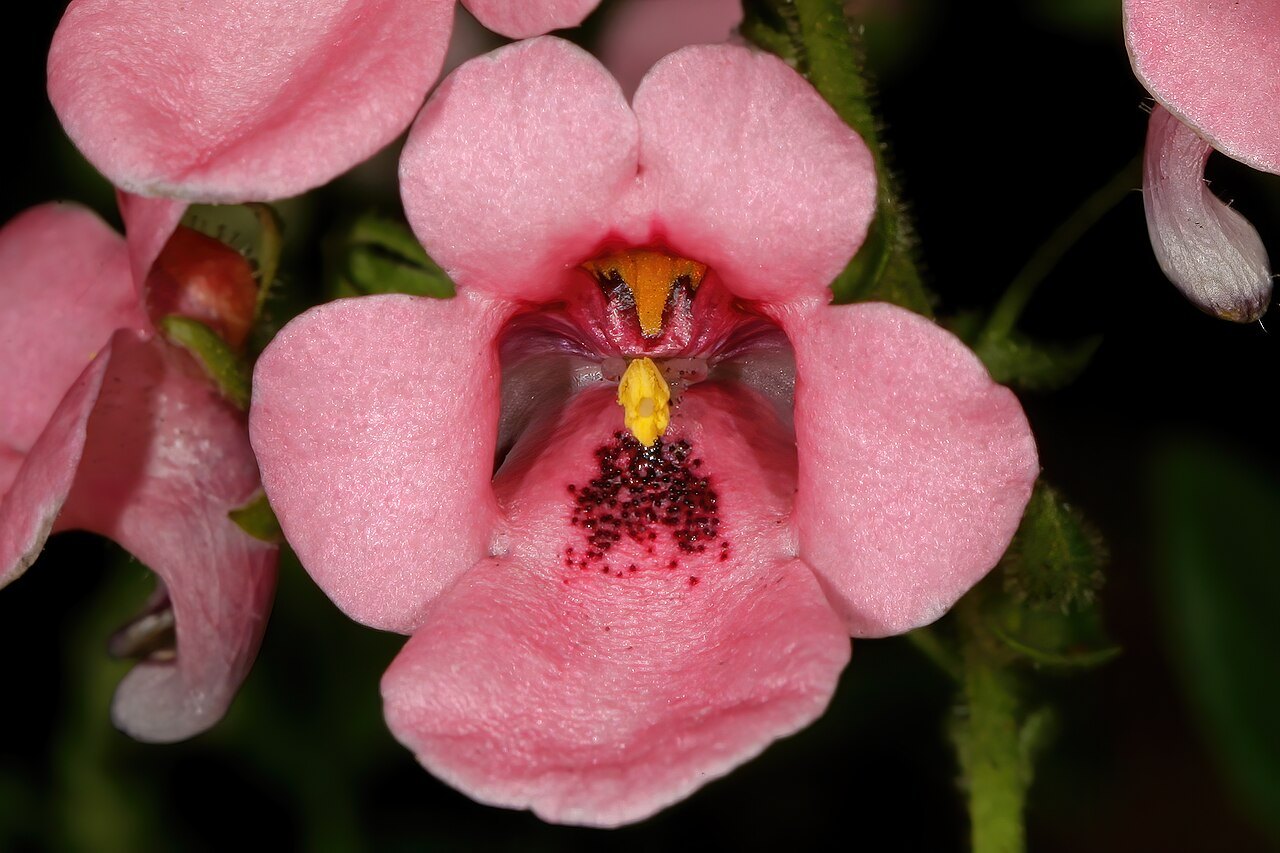
LATIN NAME: Diascia
COMMON NAME: Twinspur
Plant Profile
Diascia is a genus of about seventy species of soft, low perennials from the mountains and grasslands of southern Africa, most of them in the summer-rainfall east and a few in the winter-rainfall west. They are grown for small flowers in clear pinks, corals and whites, produced over a very long season.
The name refers to the two spurs behind each flower, from the Greek di and askos, a wineskin. The spurs are not nectar containers. They hold oil, and the oil is collected by a small group of bees in the genus Rediviva, which have unusually long front legs. The relationship is one of the strangest in the family.
The plants make a low mound of soft, bright green foliage and send up slender stems that carry the flowers in a loose raceme. The leaves are small, toothed and slightly fleshy, and the whole plant looks as if it has been grown fast in good light, which it has. It has almost no woody tissue at all.
Diascia barberae was described by Joseph Dalton Hooker from material collected in the eastern Cape and sent to Kew by a Mrs Barber, whose name the epithet records. She was a plant collector and illustrator in the eastern Cape, and several species carry her name. Hooker named it in the Botanical Magazine in 1871.
Science & Biotechnology
The oil-collecting bees of southern Africa are a specialized guild, and the flowers that use them have evolved spurs of exactly the length that the bee’s legs can reach. Where two species of Diascia grow together, their spurs differ in length, which keeps the bees working one species at a time. That is a mechanical isolation, and it is visible to the naked eye.
The flowers are also visited by generalist bees and by butterflies, which take nectar if any is present, and by the occasional pollen-collecting bee. The oil is the specialized reward, and the others are freeloaders on the same flower. The plant cannot tell them apart, and it does not try.
Diascia is placed in the Scrophulariaceae in the modern sense, a much smaller family than the old one, after the figworts were split and most of their genera moved to the Plantaginaceae. The change is recent enough that older books will put it elsewhere. The flowers look much the same wherever the family sits.
Uses & Benefits
The genus is used for the front of a border, for containers and for the gaps between spring bulbs and summer perennials. The plants flower from late spring until the first frost, and they need no staking. They are also good in a hanging basket, where the stems can trail. Few plants give so much colour for so little height.
In mild climates they are evergreen and can be cut back hard after flowering to produce a second flush. In cold ones they are grown as annuals or lifted and kept under glass. The trade sells seed strains as well as named cultivars, and the seed strains are variable but cheap. Both have their place in a garden that needs colour.
There is no medicinal or culinary use. The genus is one of the few in its family that has been developed as an ornamental on a large scale, and the breeding has concentrated on flower colour and on compact habit rather than on scent, which is faint. That is a fair summary of modern flower breeding. The Scrophulariaceae list also carries Diascia barberae, Verbascum phoeniceum and Nemesia versicolor.
Growing from Seed
Sow in late winter at eighteen to twenty degrees, on the surface and barely covered, and expect germination in two to three weeks. The seed is small and the seedlings are delicate for the first month. Do not let them dry out, and do not overwater them either. A fine line, but a learnable one.
Prick out when the first true leaves appear, and grow on cool and bright, because warmth and shade make soft, leggy plants. Pinch the tips once to encourage branching. Plant out after the last frost, in sun or light shade, with a little space between them. Twenty-five centimetres apart is about right for a dense line.
The plants want well-drained soil that does not dry out completely, and they flower best in full sun with cool roots. A mulch of compost helps in summer. Cut them back after the first flush, water, and they will flower again into autumn. In hot climates, a little afternoon shade extends the season considerably.
Our Take
Diascia is a plant that has quietly become indispensable in the last thirty years, and the reason is simple: it flowers for six months in colours that are hard to find elsewhere. The oil bee story is a bonus. It is also cheap, quick and easy from seed, which is not true of many indispensables.
Grow it at the front, where you will see it, and cut it back when it tires. It will reward you with a second season before the frost, and few plants are that obliging. That is the whole of the case for it.
Related Reading
Readers interested in Twinspur frequently explore these as well: